
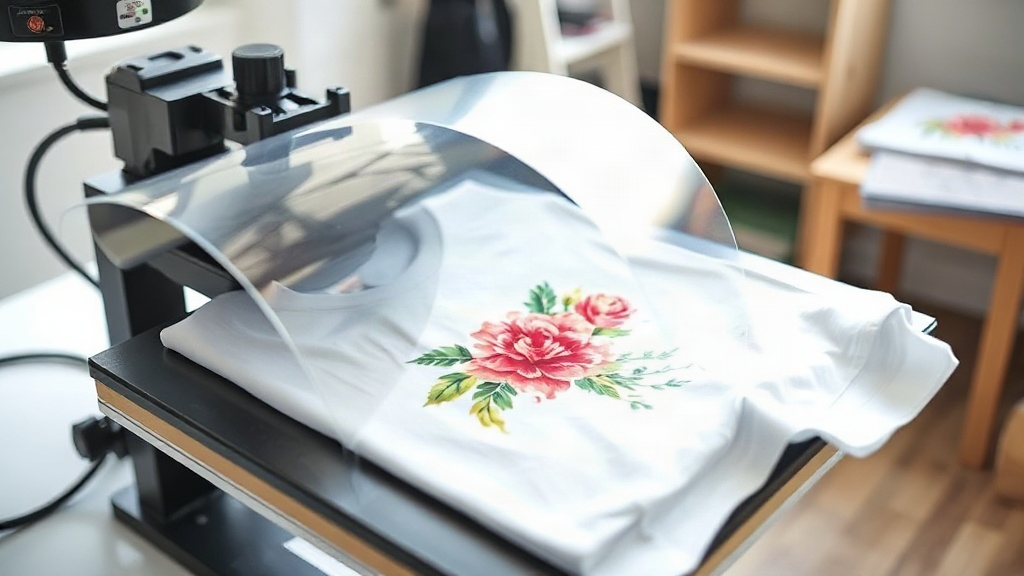
Custom apparel has never been more accessible, thanks to DTF Transfers. Whether you're a small business owner, a crafting enthusiast, or someone looking to create personalized gifts, DTF transfers offer a versatile and durable solution for adding vibrant designs to fabrics. Unlike traditional methods, DTF transfers work on a wide range of materials, from cotton to polyester and even blends, without the need for specialized equipment. In this guide, we'll dive deep into what DTF transfers are, how they work, and how you can achieve professional results at home.
What Are DTF Transfers?
DTF stands for Direct to Film. It's a printing technology where your design is printed onto a special film, coated with a powdered adhesive, and then heat-pressed onto the fabric. The result is a soft, stretchable, and highly durable print that can withstand repeated washing. Unlike DTG (Direct to Garment) or screen printing, DTF transfers don't require pre-treatment or specialized inks for different fabrics. This makes them incredibly versatile and cost-effective for short runs and complex designs.
The DTF Printing Process
The process begins with your artwork. Using a DTF printer, the design is printed onto a PET film with water-based inks. While the ink is still wet, a fine powder adhesive is applied evenly across the print. The excess powder is shaken off, and the film is heated to melt the adhesive, creating a transfer ready to be applied. When you're ready, you simply place the transfer on your garment and apply heat and pressure with a heat press. Once cooled, you peel away the film, leaving a vibrant, durable design.
Why Choose DTF Transfers?
There are several reasons why DTF transfers have become a favorite among apparel decorators. Here are the key benefits:
- Versatility: Works on cotton, polyester, blends, and even treated leather. No need to switch methods based on fabric.
- Vibrant Colors: DTF printers can produce a wide gamut of colors, including bright whites and neon shades, without the limitations of screen printing.
- Durability: The prints are stretchable and resistant to cracking, peeling, and fading. They hold up well to repeated washing.
- Cost-Effective for Short Runs: No setup costs like screen printing, making it ideal for one-off designs or small batches.
- Ease of Use: With a heat press, you can apply DTF transfers in minutes, no special skills required.
DTF vs. Other Printing Methods
How does DTF stack up against other popular decoration methods? Let's compare.
DTF vs. DTG
DTG printing requires pre-treatment and works best on 100% cotton. DTF, on the other hand, adheres to many fabrics without pre-treatment and often produces more vibrant colors on dark garments. DTF also tends to be more durable.
DTF vs. Screen Printing
Screen printing is cost-effective for large orders but requires separate screens for each color, making it expensive for complex designs or small runs. DTF excels in detailed, multi-color designs and short runs, with no setup fees.
DTF vs. Vinyl
Heat transfer vinyl (HTV) is great for simple shapes and text but limited in color gradients and fine details. DTF can reproduce full-color images with gradients and fine lines, offering greater design freedom.
How to Apply DTF Transfers: Step-by-Step
Applying DTF transfers is straightforward if you follow these steps:
- Preheat your heat press to the recommended temperature, usually around 300-325°F (150-160°C).
- Place your garment on the press and pre-press for a few seconds to remove moisture and wrinkles.
- Position the DTF transfer on the garment with the printed side facing up.
- Press with medium to firm pressure for 10-15 seconds.
- Cool and peel: Remove the garment from the press and let it cool for a few seconds before peeling off the film. For a matte finish, you can peel while hot, but cold peel often gives a smoother result.
- Post-press for an additional 5-10 seconds with a cover sheet to ensure the adhesive fully sets.
Tips for Perfect DTF Transfers
To get the best results, keep these tips in mind:
- Choose the right film: Not all DTF films are created equal. Look for films designed for your printer and ink type.
- Control moisture: Pre-press garments to remove moisture, which can cause adhesion issues.
- Use consistent pressure: Uneven pressure leads to incomplete transfers. Adjust your heat press accordingly.
- Test your settings: Different fabrics may require slight adjustments in temperature, time, and pressure. Always test on a scrap piece first.
- Store transfers properly: Keep unused transfers in a cool, dry place away from direct sunlight to prevent premature curing.
Common Mistakes to Avoid
Even with a simple process, mistakes can happen. Here are some common pitfalls:
- Peeling too early or too late: Follow the recommended peel method for your film. Peeling too soon can stretch the design; too late can cause cracking.
- Insufficient pressure: If the transfer doesn't adhere fully, increase pressure or check your press's calibration.
- Ignoring fabric compatibility: While DTF works on many fabrics, some delicate materials may require lower temperatures. Always test.
- Using expired powder: The adhesive powder has a shelf life. Old powder may not melt properly, leading to poor adhesion.
Frequently Asked Questions
How long do DTF transfers last?
With proper application and care, DTF transfers can last as long as the garment itself. They withstand dozens of washes without significant fading or cracking. To prolong life, wash inside out in cold water and avoid harsh detergents.
Can I use DTF transfers on dark colors?
Absolutely! DTF transfers include a white ink layer that makes colors pop on dark fabrics. This is one of their biggest advantages over DTG, which may require a white underbase.
Do I need a special printer for DTF?
Yes, DTF printing requires a dedicated DTF printer that uses pigment inks and can handle the film. However, you can also buy pre-printed DTF transfers from suppliers if you don't want to invest in a printer.
What fabrics work best with DTF?
DTF works well on cotton, polyester, cotton-poly blends, and even some nylons and leathers. It's not recommended for fabrics with a heavy texture or waterproof coatings.
How do I store DTF transfers?
Store them flat in a cool, dry place, away from direct sunlight and moisture. Avoid stacking heavy objects on top. Properly stored transfers can last for several months.
Final Thoughts
DTF Transfers have opened up a world of possibilities for custom apparel. Their versatility, durability, and ease of use make them an excellent choice for both beginners and professionals. By understanding the process and following best practices, you can achieve stunning, long-lasting results. So why not give DTF a try for your next project? With the right supplies and a bit of practice, you'll be creating wearable art in no time.