
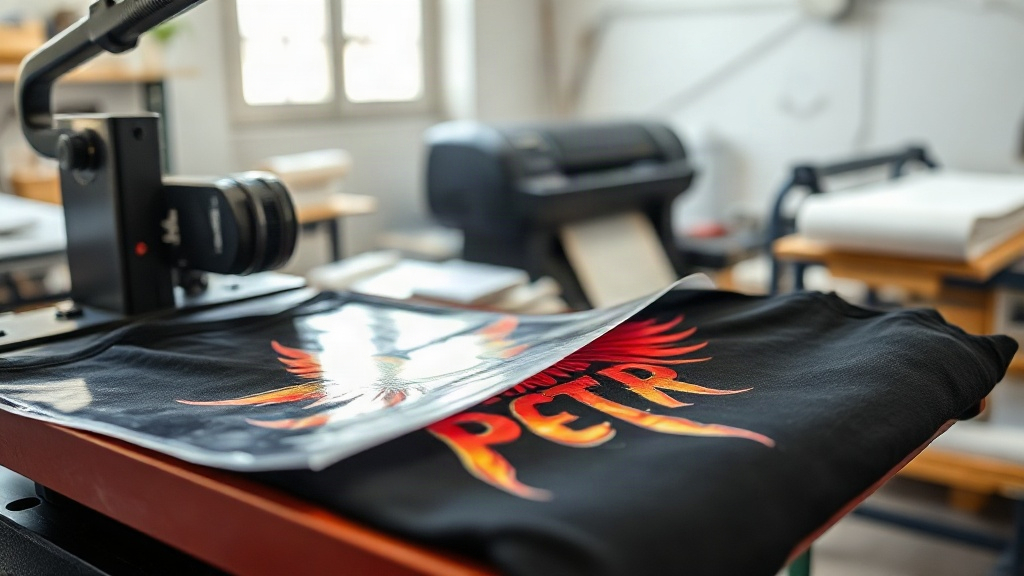
When you want to create custom apparel that stands out, DTF Transfers offer a versatile and durable solution. Unlike traditional methods that limit you to certain fabrics, DTF transfers work on almost any material, from cotton to polyester and blends. This guide will walk you through everything you need to know about DTF transfers, from the basics to advanced tips, so you can achieve professional results at home or in your shop.
What Are DTF Transfers?
DTF stands for Direct to Film. It's a printing technology where your design is printed onto a special film, coated with a powder adhesive, and then heat-pressed onto the fabric. The result is a vibrant, detailed print that feels soft and stretches with the garment. DTF transfers have gained popularity because they eliminate the need for pretreating and work on a wide range of fabrics, including dark colors and synthetic materials.
Why Choose DTF Transfers?
There are several reasons why DTF transfers might be the best choice for your next project:
- Versatility: Works on cotton, polyester, blends, and even leather.
- Durability: Prints resist cracking, peeling, and fading after multiple washes.
- Detail: High-resolution prints capture fine lines and gradients.
- No Weeding: Unlike vinyl, there's no tedious weeding process.
- Cost-Effective: Low setup costs for small batches and full-color designs.
How DTF Transfers Work
The DTF process involves several steps, each crucial for a successful transfer.
1. Design Preparation
Start with a high-quality image. DTF printers can reproduce intricate details, so ensure your design is at least 300 DPI. Remember that the design will be printed in reverse, so mirror it before printing.
2. Printing
Your design is printed onto a PET film using specialized DTF inks. A white ink layer is typically applied behind the color layers to make the design opaque on dark fabrics.
3. Powdering
While the ink is still wet, a hot-melt adhesive powder is sprinkled over the print. The excess powder is shaken off, leaving adhesive only on the ink.
4. Curing
The film is then heated to melt the powder, creating a smooth, dry surface. This step is critical for durability.
5. Heat Pressing
Finally, the transfer is placed on the fabric and pressed with a heat press. The adhesive bonds with the fabric fibers, and after cooling, the film is peeled away, leaving the design behind.
DTF vs. Other Printing Methods
How does DTF compare to DTG, screen printing, and vinyl?
- DTF vs. DTG: DTG requires pretreating and works best on 100% cotton. DTF works on more fabrics and often has brighter colors.
- DTF vs. Screen Printing: Screen printing is cost-effective for large orders but has setup costs. DTF is better for small batches and complex designs.
- DTF vs. Vinyl: Vinyl is limited to simple designs and requires weeding. DTF handles full-color images with ease.
Applications of DTF Transfers
DTF transfers are used for a variety of items:
- T-shirts, hoodies, and sportswear
- Tote bags and backpacks
- Corporate uniforms and promotional items
- Personalized gifts
Tips for Successful DTF Transfers
To get the best results, follow these tips:
- Use quality materials: Invest in good DTF film, ink, and powder.
- Control moisture: Store film and powder in a dry environment to prevent clumping.
- Preheat fabric: Remove wrinkles and moisture before pressing.
- Follow temperature guidelines: Typically, press at 325°F for 15-20 seconds with medium pressure.
- Peel correctly: Wait for the transfer to cool completely before peeling for a matte finish, or peel hot for a glossy look.
- Wash inside out: To extend the life of your print, wash garments inside out in cold water and avoid bleach.
Common Mistakes to Avoid
Even experienced users can make mistakes. Watch out for these:
- Insufficient pressure: Leads to poor adhesion and early peeling.
- Too much powder: Causes a rough texture and dull colors.
- Overcooking: Can burn the film or yellow the print.
- Pressing on uneven surfaces: Results in incomplete transfer.
Frequently Asked Questions
How long do DTF transfers last?
With proper application and care, DTF transfers can last as long as the garment itself, often 50+ washes without significant fading or cracking.
Can I use DTF transfers on dark colors?
Yes, DTF transfers include a white ink base that makes colors pop on dark fabrics, unlike DTG which may require a white underbase.
Do I need a special printer for DTF?
You need a DTF printer that uses DTF inks and film. However, you can also buy pre-printed DTF transfers from companies like DTFZones and apply them with a heat press.
What fabrics work best with DTF?
DTF works on cotton, polyester, blends, nylon, and even leather. It's one of the most versatile printing methods available.
How do I store DTF transfers?
Store unused transfers in a cool, dry place, away from direct sunlight. Keep them flat to prevent creasing.
Whether you're a hobbyist or a professional, DTF Transfers offer a reliable way to bring your designs to life on a wide range of apparel. With the right techniques and a bit of practice, you can achieve vibrant, long-lasting prints that impress.