
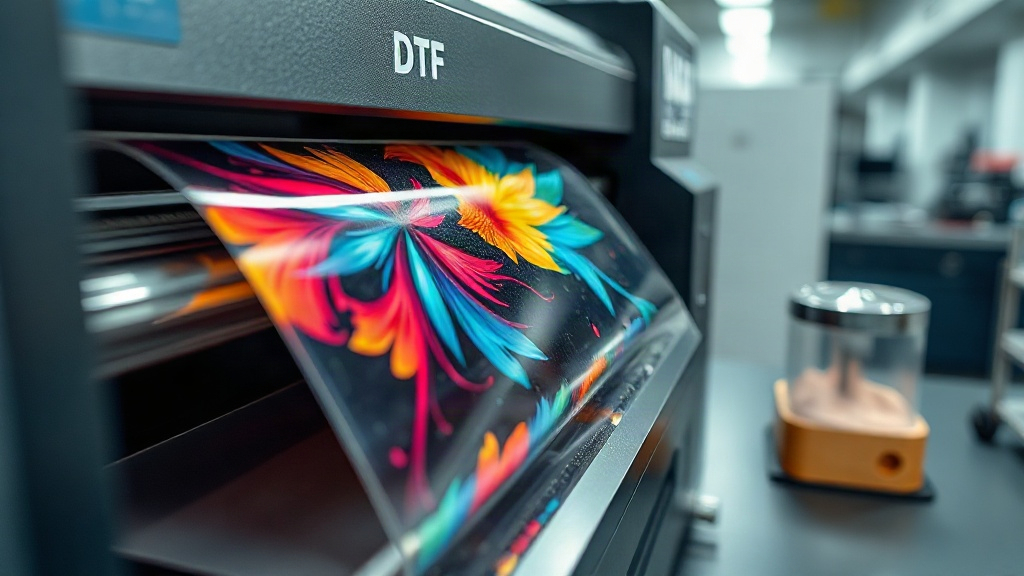
If you've been in the custom apparel game for any length of time, you've likely heard the buzz around DTF printing. Short for Direct-to-Film, this technology has quickly become a favorite among print shops and hobbyists alike. But what exactly makes it so special? In this guide, we'll dive deep into the world of DTF printing, covering everything from the basics to advanced tips, so you can decide if it's the right fit for your business or projects.
What is DTF Printing?
DTF printing is a digital printing method where your design is printed onto a special film, coated with a heat-activated powder, and then transferred to fabric using a heat press. Unlike DTG (Direct-to-Garment) printing, which prints directly onto the garment, DTF allows you to print on a wide range of fabrics, including cotton, polyester, blends, and even nylon. This versatility is one of the main reasons for its skyrocketing popularity.
The process involves several key steps: designing your artwork, printing it onto the film using a DTF printer with specialized inks, applying the adhesive powder, curing the powder, and finally pressing the transfer onto your substrate. Each step has its own nuances that affect the final quality.
The DTF Printing Process Step by Step
1. Design and Preparation
Everything starts with your design. You'll need to prepare your artwork in a graphics program like Photoshop or Illustrator. Ensure your design is in CMYK color mode, as DTF printers use CMYK plus white ink. Pay attention to resolution; 300 DPI is standard for crisp prints. Don't forget to mirror your image if your printer software doesn't do it automatically.
2. Printing onto Film
Your DTF printer will print your design onto a PET film. The printer lays down a layer of white ink first (if your design has white areas or you're printing on dark fabric), followed by the color inks. The white ink acts as a base, ensuring vibrant colors on any garment color. The film is typically coated with a release agent that allows the ink to transfer later.
3. Applying Adhesive Powder
While the ink is still wet, you'll apply a thermoplastic adhesive powder over the printed design. This powder sticks to the wet ink and will later melt to bond the design to the fabric. You can apply the powder manually or use a shaker machine for even coverage. Tap off any excess powder gently.
4. Curing the Powder
The film with the powder is then placed in a curing oven or under a heat gun to melt the powder. The powder should turn from a matte white to a glossy, gel-like consistency. This step is crucial; undercuring leads to poor adhesion, while overcuring can cause the powder to burn and ruin the transfer.
5. Heat Pressing
Finally, you'll press the transfer onto your fabric. Set your heat press to around 160°C (320°F) for 15-20 seconds with medium pressure. Peel the film off either hot or cold, depending on the film type. The result is a vibrant, durable print that stretches with the fabric.
Why Choose DTF Over Other Printing Methods?
There are several compelling reasons to consider DTF printing for your projects:
- Versatility: Works on almost any fabric, including cotton, polyester, blends, and even leather.
- No Pretreatment: Unlike DTG, DTF doesn't require pre-treating the garment, saving time and money.
- Durability: The prints are highly resistant to cracking, peeling, and fading, even after multiple washes.
- Vibrant Colors: The white ink base makes colors pop on both light and dark garments.
- Cost-Effective for Small Runs: No setup fees or minimums, making it ideal for one-off designs or small batches.
However, it's not all sunshine and roses. DTF prints can feel slightly thicker than DTG prints, and the process involves more steps, which can be a learning curve. But for many, the benefits far outweigh the drawbacks.
Common Challenges and How to Overcome Them
As with any printing method, DTF has its quirks. Here are some common issues and solutions:
1. Powder Not Sticking
If the powder isn't adhering to the ink, it's likely because the ink wasn't wet enough. Ensure you apply the powder immediately after printing. Also, check that your powder is dry and not clumped.
2. Cracking After Washing
Cracking usually indicates undercuring of the powder or incorrect pressing parameters. Make sure the powder is fully melted (it should look glossy) and that your heat press settings are accurate. Use a temperature gun to verify.
3. Dull Colors
Dull colors can result from insufficient white ink or incorrect color profiles. Ensure your printer is set to the correct media type and that you're using high-quality inks. Also, consider the fabric; DTF prints on dark polyester may appear less vibrant due to dye migration.
4. Film Jamming
Film jams can occur if the film is not loaded correctly or if the printer's rollers are dirty. Keep your printer clean and use high-quality film designed for your printer model.
DTF vs. DTG vs. Screen Printing: A Quick Comparison
To help you choose the right method, here's a quick comparison:
- DTF: Best for small batches, complex designs, and a wide range of fabrics. No pretreatment. Durable.
- DTG: Best for 100% cotton, small to medium batches. Requires pretreatment. Soft feel.
- Screen Printing: Best for large batches, simple designs. Requires setup. Very durable and cost-effective at scale.
Each method has its place, but DTF shines when you need flexibility and don't want to invest in screens or pretreatment equipment.
Choosing the Right DTF Supplies
The quality of your DTF prints heavily depends on the supplies you use. Here's what to look for:
Film
Not all films are created equal. Look for films with a consistent coating and good release properties. Thicker films (75-100 microns) are generally easier to handle and less prone to curling. Brands like DTF Station and Ving offer reliable options.
Ink
Use high-quality DTF inks specifically formulated for your printer. Cheap inks can clog printheads and produce poor color vibrancy. Always store inks properly to avoid expiration.
Powder
Thermoplastic polyurethane (TPU) powder is the standard. It comes in different particle sizes; finer powders (80-200 microns) are better for detailed designs. Ensure the powder is kept dry and free of moisture.
Printer
You can convert an existing printer to DTF or buy a dedicated DTF printer. Dedicated printers like the Epson F2100 or Roland VersaSTUDIO are popular choices. For beginners, a converted Epson EcoTank with a DTF ink system can be a budget-friendly start.
Tips for Perfect DTF Transfers
Here are some pro tips to elevate your DTF game:
- Test Your Settings: Every printer, film, and powder combo behaves differently. Run test prints to dial in your settings.
- Control Humidity: High humidity can affect powder application and ink drying. Work in a climate-controlled environment.
- Use a Heat Press with Even Pressure: Uneven pressure leads to inconsistent adhesion. Invest in a quality heat press.
- Store Transfers Properly: Keep unused transfers in a cool, dry place to prevent powder from absorbing moisture.
- Wash Inside Out: To prolong the life of your prints, wash garments inside out in cold water and avoid harsh detergents.
Frequently Asked Questions About DTF Printing
What fabrics can I print on with DTF?
DTF works on a wide range of fabrics, including cotton, polyester, cotton-poly blends, nylon, leather, and even some treated synthetics. It's particularly useful for fabrics that are difficult to print on with other methods.
Do I need to pretreat garments for DTF?
No, one of the biggest advantages of DTF is that it doesn't require pretreatment. This saves time and avoids the mess and cost of pretreatment liquids.
How durable are DTF prints?
When properly applied, DTF prints are very durable. They resist cracking, peeling, and fading, and can withstand dozens of washes. However, improper curing or pressing can lead to premature failure.
Can I use DTF on dark shirts?
Absolutely. DTF uses a white ink base that allows vibrant colors to show up on dark garments. Just ensure your printer is set to print the white layer.
What is the cost per print for DTF?
The cost per print varies based on design size, ink coverage, and supplies used. On average, a letter-sized DTF transfer costs around $1-$3 in materials, making it cost-effective for small runs.
With its versatility, durability, and ease of use, DTF printing is a game-changer for anyone in the custom apparel industry. Whether you're a seasoned pro or just starting, mastering DTF can open up new opportunities and help you deliver outstanding results to your customers.