
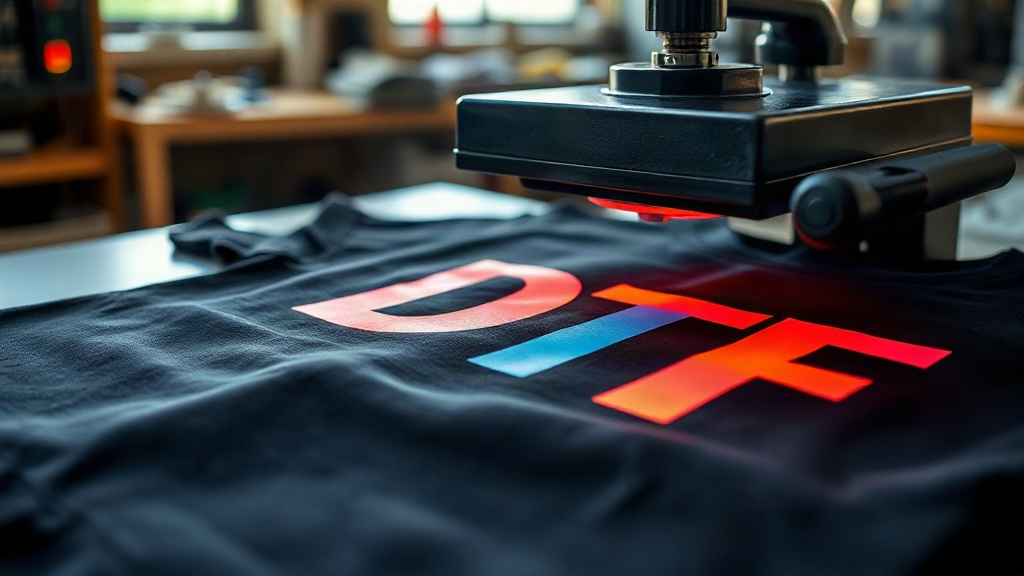
If you've been in the custom apparel game for any length of time, you've likely heard about DTF transfers. They're the talk of the town, and for good reason. Unlike traditional screen printing or vinyl, DTF (Direct to Film) offers a unique blend of versatility, durability, and color vibrancy that's hard to beat. But what exactly goes into creating a flawless DTF transfer? And how can you ensure your prints stand up to the wash, wear, and tear? In this guide, we'll walk you through the entire process, from artwork preparation to the final press, sharing insights we've gathered from countless hours in the workshop.
What Are DTF Transfers?
At its core, a DTF transfer is a printed design on a special film that is then transferred onto fabric using heat and pressure. The process involves printing your design onto a PET film using specialized DTF inks (typically CMYK plus white), dusting it with a hot-melt adhesive powder, and then curing it. Once cured, the transfer is ready to be applied to a wide range of fabrics, including cotton, polyester, blends, and even some nylons. The result is a soft, stretchable print that can handle intricate details and vibrant colors without the setup costs of screen printing.
Why Choose DTF Transfers Over Other Methods?
There are several compelling reasons why DTF has become a go-to for many apparel decorators:
- No color limitations: Unlike vinyl, DTF can print full-color images with gradients and fine details.
- No weeding: Say goodbye to the tedious process of cutting and weeding vinyl. DTF transfers come ready to press.
- Works on multiple fabrics: From 100% cotton to 100% polyester and everything in between, DTF adheres well to most materials.
- Durability: When applied correctly, DTF prints can outlast the garment itself, withstanding dozens of washes without cracking or fading.
- Cost-effective for short runs: No screens or setup fees, making it ideal for small batches and personalized items.
The DTF Transfer Process Step by Step
1. Artwork Preparation
Everything starts with your design. Ensure your artwork is high resolution (300 DPI is a good rule of thumb) and in a suitable format, such as PNG or TIFF with a transparent background. Remember that DTF printers use a white ink underlayer, so any transparency in your design will be backed with white. This is great for dark garments, but keep in mind that white areas in your design will also be printed with white ink. If you want the fabric color to show through, you'll need to simulate that in your design.
2. Printing
Using a DTF printer, your design is printed onto a PET film. The printer lays down CMYK inks first, followed by a white ink layer. The white layer is crucial because it allows the colors to pop on dark fabrics. After printing, the film is typically dusted with adhesive powder while the ink is still wet. The powder sticks to the wet ink, and excess powder is shaken off.
3. Curing
The powder-covered film then goes through a curing process, usually in a heat press or a conveyor oven. The heat melts the powder, creating a adhesive layer that will bond to the fabric during the final press. Curing is a critical step: under-curing leads to poor wash durability, while over-curing can cause the film to curl or the ink to become brittle.
4. Pressing
Once you have your cured DTF transfer, it's time to apply it to the garment. Here's where the magic happens:
- Pre-press the garment: This removes moisture and wrinkles, ensuring a smooth surface.
- Position the transfer: Place it with the printed side facing up (the film side against the fabric).
- Press: Use medium pressure at around 300-325°F (150-160°C) for 10-15 seconds. Times and temperatures can vary by film and powder type, so always test.
- Peel: After pressing, you can peel the film either hot or cold. Most modern DTF transfers are cold peel, meaning you wait for it to cool completely before peeling. This prevents the ink from stretching.
That's it! You've got a vibrant, durable print.
Common Mistakes to Avoid with DTF Transfers
Even seasoned pros can run into issues. Here are some pitfalls to watch out for:
- Insufficient pressure: If the pressure is too low, the transfer won't adhere properly, leading to peeling. Make sure your heat press is calibrated.
- Wrong temperature: Too hot and you'll scorch the fabric or melt the film; too cold and the adhesive won't activate.
- Not pre-pressing: Skipping this step can trap moisture, causing steam bubbles that ruin the transfer.
- Peeling too soon: For cold peel transfers, patience is key. Peeling while hot can distort the design.
- Using the wrong film: Not all DTF films are created equal. Some are designed for specific ink types or fabrics. Always follow the manufacturer's recommendations.
DTF Transfers vs. DTG and Vinyl
How does DTF stack up against other popular methods? DTG (Direct to Garment) prints directly onto the fabric, which is great for 100% cotton but struggles with polyester and dark colors. Vinyl is durable but limited in color and detail. DTF combines the best of both: it works on a wide range of fabrics, offers full-color printing, and is relatively easy to apply. However, DTF does have a slightly raised feel compared to DTG, and the film can be visible if not applied correctly. For many, the trade-offs are well worth it.
Frequently Asked Questions About DTF Transfers
How long do DTF transfers last?
When applied correctly, DTF transfers can last as long as the garment itself. Proper washing (inside out, cold water, no bleach) will extend the life of the print.
Can I use DTF transfers on dark colors?
Absolutely! DTF transfers are especially great for dark colors because the white ink underlayer makes the colors pop. Just ensure your design accounts for the white base.
Do I need a special printer for DTF transfers?
Yes, you need a DTF printer that uses DTF inks and can print white ink. Converting a regular printer is not recommended.
What fabrics work best with DTF transfers?
DTF works well on cotton, polyester, blends, and even some nylons. It's not recommended for fabrics with a high spandex content or those that can't withstand heat.
Can I stretch DTF prints?
Yes, DTF prints are stretchable and will move with the fabric without cracking, provided they are applied correctly.
Mastering DTF transfers takes a bit of practice, but once you get the hang of it, you'll unlock a world of possibilities for custom apparel. Whether you're a hobbyist or a business owner, DTF offers a reliable, high-quality solution for your printing needs. So, gather your materials, dial in your press, and start creating!