
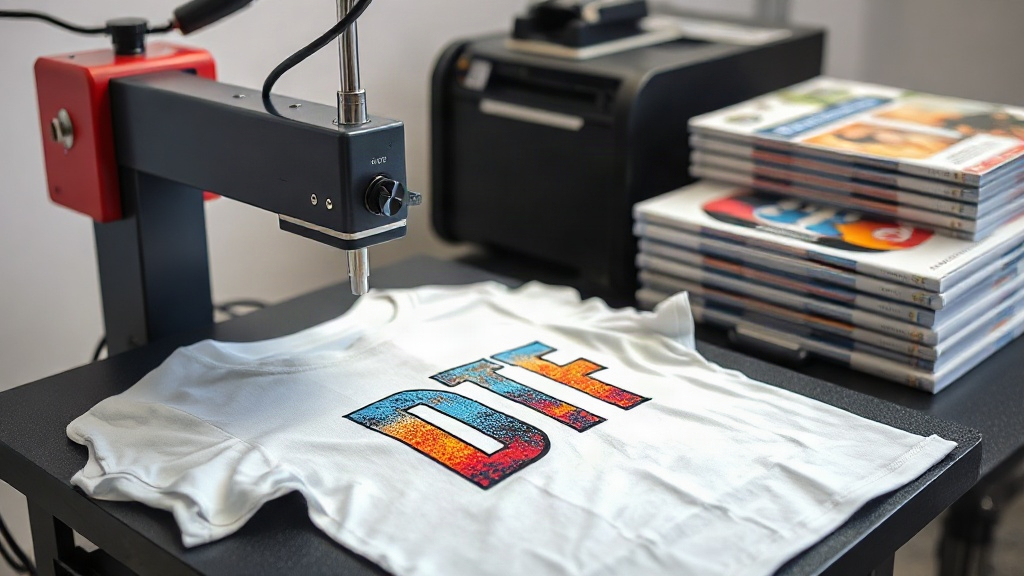
If you've been exploring custom apparel printing, you've likely encountered DTF Transfers. This innovative technology is rapidly becoming a favorite among crafters and professionals alike. But what exactly are they, and why are they generating so much buzz? In this guide, we'll dive deep into the world of DTF transfers, covering everything from the basics to advanced tips. Whether you're a small business owner or a hobbyist, understanding DTF transfers can elevate your printing game and open up new creative possibilities.
What Are DTF Transfers?
DTF stands for Direct-to-Film. It's a printing method where your design is printed onto a special film, coated with a powdered adhesive, and then heat-pressed onto fabric. Unlike DTG (Direct-to-Garment) or sublimation, DTF transfers work on a wide range of materials, including cotton, polyester, blends, and even leather. The process involves a specialized printer, DTF ink, and a heat press. The result is a vibrant, durable print that stretches with the fabric without cracking.
The key difference with DTF transfers is the film. The design is printed in reverse onto the film, then the adhesive powder is applied while the ink is still wet. After curing, the transfer is ready to be applied. This two-step process allows for incredible detail and color intensity.
Why Choose DTF Transfers Over Other Methods?
There are several compelling reasons to consider DTF transfers for your next project. First, versatility: you're not limited to 100% cotton or 100% polyester. DTF works on almost any fabric, including hard-to-print materials like canvas and denim. Second, no weeding or masking is required, saving you hours of tedious work compared to vinyl. Third, DTF transfers produce soft, flexible prints that don't feel like a heavy layer on the garment. They also offer excellent washability, often lasting 50+ washes without fading.
Another advantage is the ability to print full-color, photographic-quality images with fine details. Unlike screen printing, which requires separate screens for each color, DTF handles complex gradients and small text with ease. This makes it ideal for small businesses that need to produce short runs or one-off custom items without high setup costs.
Materials You'll Need for DTF Printing
Before you start, gather the right supplies. Here's a checklist:
- DTF printer (or a converted inkjet printer with DTF inks)
- DTF film (PET film)
- DTF ink (CMYK plus white)
- Adhesive powder (hot melt adhesive)
- Heat press
- Heat-resistant tape
- Parchment paper or Teflon sheet
Quality supplies make a big difference. Cheaper films can cause ink smearing, and low-grade powder may lead to poor adhesion. Invest in reputable brands to ensure consistent results.
Step-by-Step Guide to Applying DTF Transfers
Applying a DTF transfer is straightforward, but attention to detail ensures a professional finish. Follow these steps:
- Preheat the garment: Set your heat press to 325°F (160°C). Prepress the garment for 5-10 seconds to remove moisture and wrinkles.
- Position the transfer: Place the DTF transfer face-up on the garment. Use heat-resistant tape to secure it if needed.
- Press: Cover with parchment paper and press for 15-20 seconds with medium pressure.
- Peel: Wait for the transfer to cool completely (cold peel) or peel while hot (hot peel) depending on the film type. Most DTF transfers are cold peel.
- Post-press: For extra durability, press again for 5-10 seconds with parchment paper.
Always test on a scrap piece first to dial in your press settings.
Common Mistakes to Avoid
Even seasoned crafters can run into issues. Here are pitfalls to watch for:
- Insufficient pressure: Leads to poor adhesion and early peeling.
- Wrong temperature: Too hot can scorch the fabric; too cool won't activate the adhesive.
- Not pre-pressing: Moisture in the fabric can cause the transfer to lift.
- Using the wrong film side: Always print on the coated side; otherwise, the ink won't transfer.
- Skipping post-press: A final press significantly improves wash durability.
Tips for Vibrant, Long-Lasting Prints
To get the best results from your DTF transfers, keep these tips in mind:
- Store unused transfers in a cool, dry place away from direct sunlight.
- Use a lint roller on the garment before applying to remove dust.
- For stretchy fabrics, stretch the garment slightly before pressing to allow the transfer to flex.
- Wash garments inside out in cold water and tumble dry low to extend the life of the print.
- Experiment with different powder types (fine vs. coarse) for varying textures.
Frequently Asked Questions About DTF Transfers
Can I use DTF transfers on dark colors?
Absolutely. DTF transfers include a white ink layer that acts as a base, allowing vibrant colors to pop on dark fabrics. This is a major advantage over sublimation, which requires light-colored polyester.
How long do DTF transfers last?
With proper application and care, DTF transfers can last as long as the garment itself. Typically, you can expect 50+ washes without significant fading or cracking. Following the wash instructions is key.
Do I need a special printer for DTF transfers?
Yes, you need a DTF printer that uses DTF inks and can print white. However, you can convert some Epson printers with DTF ink systems. Alternatively, you can buy pre-printed transfers from suppliers if you don't want to invest in a printer.
What fabrics work best with DTF transfers?
DTF transfers adhere well to cotton, polyester, blends, nylon, leather, and more. They are not recommended for fabrics with a heavy waterproof coating or silicone finish, as adhesion may fail.
How do I remove a DTF transfer if I make a mistake?
While DTF transfers are meant to be permanent, you can try reheating the transfer with a heat press or iron and peeling it off while hot. Some residue may remain, but it can often be cleaned with adhesive remover.
With this knowledge, you're ready to explore the exciting world of DTF transfers. Whether you're creating custom t-shirts for your brand or personalizing gifts, DTF offers unmatched versatility and quality. Happy printing!