
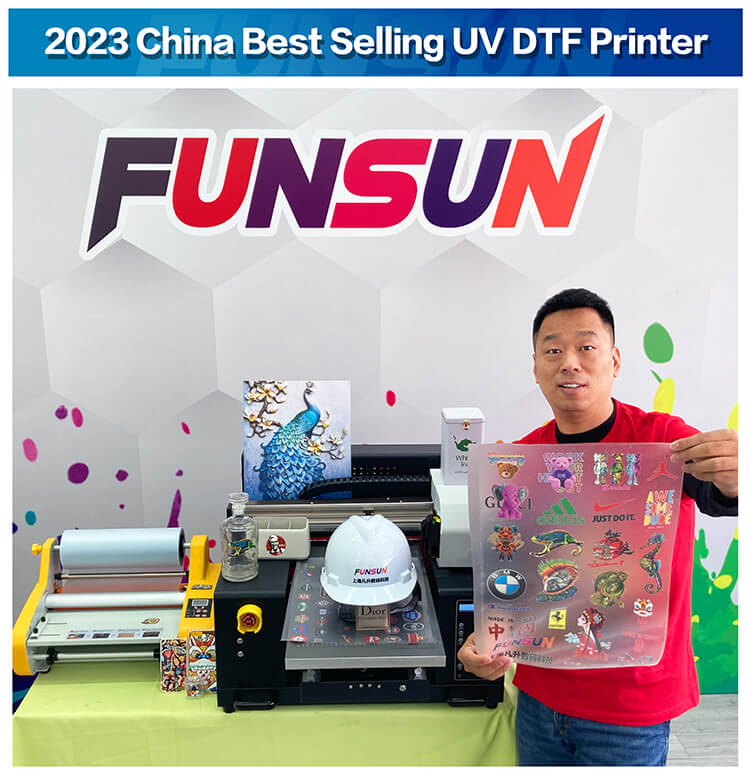
In today’s dynamic printing landscape, UV DTF printing emerges as a revolutionary solution, challenging the constraints of traditional printing methods. This innovative technique uses ultraviolet light to cure inks, resulting in exceptional durability and vibrant prints that can be applied to various substrates, from textiles to glass. Unlike conventional screen printing and offset printing, UV DTF provides a cost-effective printing option that is particularly appealing for custom orders and smaller production runs. Businesses looking to enhance their product offerings will find the versatility and speed of UV DTF printing to be a significant advantage over traditional digital printing solutions. As we delve deeper into the capabilities of UV DTF printing, we’ll uncover how this method not only meets diverse printing needs but also stands to redefine market standards in durability and quality.
Also known as ultraviolet direct-to-film printing, UV DTF printing revolutionizes how businesses approach their printing needs. By utilizing advanced curing technology, this method provides high-performance results across a wide range of materials, setting itself apart from older techniques like screen printing and offset printing. With an emphasis on producing vibrant, long-lasting prints, UV DTF is regarded as a powerful contender in the realm of digital printing. This technology’s ability to deliver consistent quality at lower costs makes it a smart choice for both small businesses and creative ventures looking for durable printing solutions. From textiles to hard surfaces, the flexibility of UV DTF opens doors for innovative product development in various industries.
The Rise of UV DTF Printing
As printing technology evolves, UV DTF (Direct to Film) printing has emerged as a revolutionary method that transforms how we perceive and produce printed materials. This technique utilizes ultraviolet light to cure inks, resulting in vibrant and detailed prints on a range of surfaces, from textile to wood. One of the most significant advantages of UV DTF printing is its versatility — it can adapt to numerous substrates, making it an incredibly appealing option for brands looking to create customized and unique products.
Furthermore, the rise of UV DTF printing is closely tied to its eco-friendly benefits. Unlike many traditional printing methods that rely on solvent inks, UV DTF inks emit significantly fewer volatile organic compounds (VOCs). This feature not only addresses environmental concerns but also makes UV DTF a healthier option for indoor environments where air quality is increasingly prioritized. As businesses strive to meet sustainable practices, UV DTF printing stands as a leader in both functionality and environmental responsibility.
Comparing Durability: UV DTF vs Traditional Printing
When it comes to printing, durability is a critical factor that influences material choice and method selection. UV DTF printing is leading the charge with products that are water-resistant, scratch-proof, and suitable for both indoor and outdoor applications. This level of durability outshines many traditional printing techniques, such as screen printing and digital printing, which may not offer the same resilience on all substrates. For businesses, especially those involved in merchandising, durability ensures that products retain their quality over time, ultimately contributing to customer satisfaction and brand loyalty.
On the other hand, traditional printing methods also possess unique strengths. Screen printing, for example, is renowned for its ability to produce exceptionally durable prints in bulk for items like apparel. However, it may fall short when dealing with smaller runs or customized designs, as the setup costs and time can be prohibitive. In this context, UV DTF printing provides a compelling alternative, combining the strengths of traditional printing methods with modern advancements, ensuring that vibrant and durable designs are accessible even for small-scale production.
Cost-Effectiveness of UV DTF Printing
Cost is a significant consideration in the printing industry, especially for small businesses and entrepreneurs. UV DTF printing is particularly advantageous due to its cost-effective nature, especially in short-run jobs or custom orders. Unlike traditional methods, which often require large quantities to offset setup costs, UV DTF enables businesses to execute smaller orders without facing exorbitant fees. This flexibility opens doors for custom designs and specialized products that customers increasingly demand in today's market.
Additionally, the speed of UV DTF printing enhances its cost-effectiveness. The rapid curing process allows businesses to deliver printed products faster compared to traditional printing techniques, which often involve longer drying times and multiple passes. Thus, companies can meet tight deadlines while minimizing waste and maximizing their operational efficiency, making UV DTF not only a budget-friendly option but also a time-saving solution.
Exploring Screen Printing and Its Limitations
While UV DTF printing offers numerous advantages, it is essential to acknowledge the longstanding prominence of screen printing within the industry. This traditional printing method is celebrated for its glossy finish and vibrant color output, making it a top choice for high-impact products like t-shirts and promotional materials. However, the initial setup costs can be quite high, especially for smaller orders, creating a barrier to entry for businesses aiming for cost-effective production.
Moreover, screen printing is often less versatile than its UV DTF counterpart. The method primarily excels on textile materials, whereas UV DTF can print on various surfaces, including plastics, glass, and wood. Therefore, while screen printing remains a reliable choice for specific applications, it lacks the adaptability that many modern businesses require, posing an opportunity for UV DTF printing to fill that gap.
The Advantages of Digital Printing
Digital printing has become increasingly popular in recent years due to its ability to produce high-quality prints on demand with minimal setup. This method allows for quick turnaround times, making it an attractive option for businesses needing rapid results. However, while digital printing excels in speed and flexibility, it may not achieve the same durability on materials like wood and glass that UV DTF printing offers.
In terms of cost, digital printing can also be advantageous for short runs, but its scalability often falters in comparison to traditional methods like screen printing. As businesses assess their options, weighing the immediate benefits of digital printing against the long-lasting quality provided by UV DTF becomes crucial in choosing the right printing method that aligns with their goals.
Future Innovations in UV DTF Technology
As the landscape of printing technology continues to evolve, recent innovations in UV DTF printing highlight an exciting future for businesses and consumers alike. New developments, such as texture printing capabilities, allow for unique tactile effects that were previously difficult to achieve. This advancement expands creative possibilities for designers and brands looking to differentiate themselves in a crowded marketplace.
Additionally, as UV DTF technology becomes more accessible through new model releases, including those targeted at hobbyists and small businesses, it will likely democratize the printing industry further. This accessibility empowers creators of all levels to explore their artistic potential without the constraints of traditional printing methods, setting a stage for a vibrant community focused on innovation and creativity.
Frequently Asked Questions
What are the key advantages of UV DTF printing compared to traditional printing methods?
UV DTF printing offers several key advantages over traditional methods like screen printing and digital printing. Firstly, it is versatile, handling various materials such as textiles, plastics, and wood. Secondly, UV DTF printing produces durable prints that are water-resistant and scratch-proof, making them suitable for both indoor and outdoor applications. Additionally, it is a cost-effective printing option for short runs, significantly reducing setup costs. Finally, the speed of UV curing allows for faster turnaround times on print jobs.
How does UV DTF printing ensure durability compared to traditional printing techniques?
UV DTF printing ensures durability by utilizing UV light to cure the inks immediately upon application. This process results in prints that are not only vibrant but also remarkably resistant to water and scratches. Such qualities surpass those typically seen in traditional printing methods, such as screen printing and digital printing, where inks may take longer to set, leading to more vulnerability.
Is UV DTF printing a cost-effective printing solution for small businesses?
Yes, UV DTF printing is considered a cost-effective printing solution for small businesses, especially for short runs and custom orders. Unlike traditional printing methods that often require high initial setup costs, UV DTF allows for lower overhead, making it more accessible for businesses looking to tailor their offerings without breaking the bank.
What substrates can be printed on using UV DTF printing compared to traditional methods?
Unlike traditional printing methods like screen printing and offset printing, which may be limited to specific materials, UV DTF printing can print on a wide range of substrates. It is suitable for textiles, plastics, glass, and wooden surfaces, providing businesses greater flexibility and enabling the production of customized products tailored to various markets.
What benefits does UV DTF printing offer in terms of environmental impact compared to traditional printing?
UV DTF printing offers notable environmental benefits by producing fewer volatile organic compounds (VOCs) during the printing process compared to traditional solvent-based inks used in methods like screen printing. This reduction contributes to better indoor air quality and aligns with eco-friendly practices, making UV DTF printing a more sustainable choice for businesses.
How does the speed of UV DTF printing compare to traditional printing techniques?
The speed of UV DTF printing is significantly superior to many traditional printing techniques. The UV curing process allows inks to dry instantly, resulting in quicker turnaround times on print jobs. In contrast, traditional methods such as screen and offset printing may require longer drying times, which can delay production schedules.
| Aspect | UV DTF Printing | Traditional Printing Methods |
|---|---|---|
| Versatility | Handles a wide range of materials including textiles, plastics, wood, and glass. | Limited to specific materials, with methods like screen printing and offset suited for larger runs. |
| Durability | Produces water-resistant and scratch-proof prints. | High-quality but varies in durability based on the method. |
| Cost-Effectiveness | Ideal for short runs and custom orders, lower setup costs. | Higher setup costs make it less cost-effective for small orders. |
| Speed | Faster drying times due to UV curing process. | Longer turnarounds typically required for drying in many methods. |
| Environmental Impact | Lower VOC emissions improving indoor air quality. | Higher VOC emissions with some traditional methods. |
Summary
UV DTF printing is a revolutionary approach in the world of printing that offers numerous advantages over traditional methods. This state-of-the-art technology provides unmatched versatility, enabling users to print on various surfaces with vibrant colors and durability. The rapid advancements in UV DTF printing not only enhance product quality but also promote environmental sustainability by reducing volatile organic compounds. As the printing landscape evolves, understanding these key benefits can help businesses and individuals choose the most suitable printing method to meet their specific needs.