
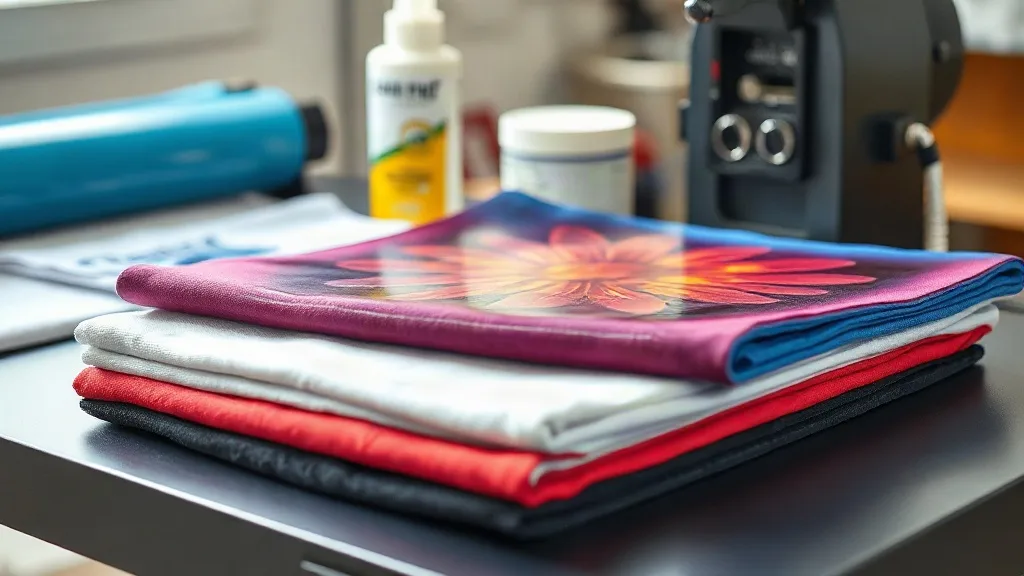
You've dialed in your printer settings, your RIP software is humming, and your dtf transfers look crisp on the transfer film. Then you press them onto a customer's shirt and something goes wrong: the edges lift, the colors look dull, or the design feels like a plastic patch. Nine times out of ten, the culprit isn't your dtf process—it's the fabric. This guide dives into the variables that matter most when pairing DTF with different textiles, so you can stop guessing and start producing consistent, professional results.
Why Fabric Choice Makes or Breaks DTF Transfers
DTF is incredibly versatile, but it's not magic. The adhesive powder that bonds the design to the garment needs a compatible surface to grab onto. Fiber content, weave tightness, surface texture, and even dye chemistry all influence how well the transfer adheres and how it feels. Ignoring these factors leads to common issues: poor wash durability, a stiff hand feel, or color shifting after pressing. Understanding the fabric is the first step toward reliable output.
How DTF Adhesive Works
The thermoplastic polyurethane (TPU) powder used in DTF melts under heat and pressure, flowing into the microscopic crevices of the fabric. Once cooled, it creates a mechanical bond. Fabrics with a tight, smooth surface allow the adhesive to anchor evenly, while loose or highly textured fabrics may require more pressure or a different powder grade. The chemistry of the fabric also matters: some dyes and finishes can interfere with adhesion.
Natural Fibers: Cotton, Polyester, and Blends
Natural fibers behave differently from synthetics, and blends add their own quirks. Here's what to expect.
100% Cotton
Cotton is the most forgiving fabric for DTF. Its absorbent nature and relatively smooth surface allow the adhesive to penetrate well, resulting in strong wash durability. However, cotton can be prone to fiber shedding, so pre-pressing is essential to remove lint and moisture. Use medium pressure and pay attention to the fabric's finish—some cotton garments have a softener that can act as a release agent.
Polyester and Poly-Blends
Polyester is where DTF truly shines, especially on high-performance and synthetic blends. The smooth, non-porous surface lets the adhesive bond quickly, and the colors pop. But beware of heat sensitivity: polyester can scorch or shrink if the press is too hot. Also, some poly fabrics are treated with silicone or other finishes that repel the adhesive. Always test a small area first.
Cotton-Poly Blends
Blends combine the best and worst of both worlds. A 50/50 blend often presses well, but the cotton fibers may absorb more heat, requiring slightly longer pressing times. The key is to adjust temperature and pressure based on the dominant fiber. For blends with high polyester content, treat them like polyester; for high cotton content, treat them like cotton.
Specialty Fabrics: What Works and What Doesn't
Not all fabrics are DTF-friendly. Knowing the limitations saves time and materials.
Nylon and Spandex
Nylon and spandex can be tricky. Their slick surfaces and elasticity mean the adhesive may not grip well, and the stretch can cause cracking if the design isn't applied with a stretchable powder. Use a low-temperature adhesive and consider a stretch additive. Always perform a wash test before committing to a large order.
Water-Resistant and Coated Fabrics
Fabrics with water-repellent coatings (like some outdoor gear) or silicone finishes will repel the DTF adhesive. In these cases, DTF is not the right choice; consider screen printing or vinyl instead.
Fleece and Heavy Knits
Fleece and heavy knits have a lofty, textured surface that can prevent the adhesive from making full contact. Use higher pressure and a longer dwell time, and consider a finer powder to penetrate the fibers. Pre-pressing is crucial to flatten the surface.
Fabric Color and DTF: What You Need to Know
DTF transfers are printed with a white ink base, which makes them opaque on dark fabrics. However, the color of the fabric can still influence the final appearance, especially with lighter or translucent designs. On dark colors, the white base ensures vibrancy, but on light colors, the white base may be visible as a halo if not properly masked. Always proof your design on the actual fabric color.
Pre-Treatment: The Step You Can't Skip
Proper pre-treatment is critical for adhesion and durability. Pre-press the garment to remove moisture and wrinkles. For cotton, this also helps remove lint. Use a lint roller if needed. Some fabrics benefit from a light spray of adhesive promoter, but this is rarely necessary with high-quality DTF powder.
Testing and Troubleshooting
Always perform a test press on a scrap piece of the same fabric. Check for adhesion by stretching the design gently and performing a wash test. If you encounter problems, adjust temperature, pressure, or powder type. Keep a log of settings for each fabric type to build a reliable reference.
Finding Quality DTF Supplies Near You
If you're looking for dtf transfers near me, quality matters. Cheap transfers or powders can lead to inconsistent results, regardless of fabric. Partner with a reputable supplier who offers technical support and consistent products.
Frequently Asked Questions
Can I use DTF transfers on 100% polyester?
Yes, DTF works well on polyester, but you must use lower heat settings to avoid scorching. Test on a small area first, as some polyester finishes may repel the adhesive.
Why do my DTF transfers crack after washing?
Cracking usually indicates insufficient pressure, incorrect powder, or washing with high heat. Ensure proper pressing parameters and wash garments inside out in cold water.
Do I need special DTF powder for different fabrics?
Standard DTF powder works for most fabrics, but for stretchy or textured fabrics, a stretchable or fine powder may be necessary. Consult your supplier for recommendations.
How do I remove a DTF transfer if I make a mistake?
While DTF is designed to be permanent, you can sometimes remove it with a heat gun or by pressing with a protective sheet and peeling while hot. However, this is not always successful and may damage the fabric.
Can I layer DTF transfers?
Yes, you can layer DTF transfers, but it's best to press each layer separately and use a lower temperature for subsequent presses to avoid remelting the previous layer.