
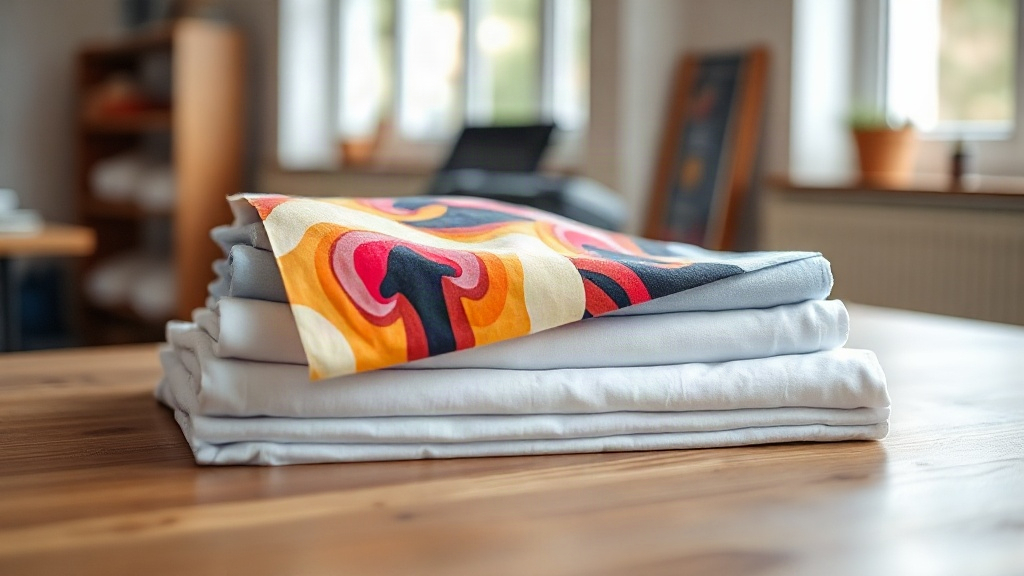
When you pull a fresh DTF transfer off the press, the last thing you want is a print that cracks, fades, or feels like plastic. Yet that's exactly what happens when you pair quality transfers with the wrong garment. The secret isn't just in the transfer itself—it's in the blank you choose. Enter smart blanks, a category of apparel designed with the modern decorator in mind. These aren't your average tees; they're engineered for smooth adhesion, vibrant color, and long-lasting wear. In this post, we'll explore why smart blanks are essential for anyone serious about DTF transfers, and how brands like Shaka Wear are leading the charge.
What Exactly Are Smart Blanks?
The term smart blanks refers to garments that have been thoughtfully constructed to work seamlessly with today's printing technologies. Unlike generic blanks that might have inconsistent weaves, heavy finishes, or poor dye lots, smart blanks offer a predictable, high-quality surface. They typically feature:
- 100% ring-spun cotton or premium cotton/poly blends for a soft, smooth hand
- Pre-shrunk and compacted fabrics to minimize shrinkage
- Consistent thread count and minimal surface texture
- Neutral pH dyes that won't interfere with transfer adhesives
- Reinforced stitching and shoulder-to-shoulder taping for durability
These attributes might sound technical, but they translate into real-world benefits: your DTF transfers bond better, colors pop, and the print survives wash after wash.
Why Smart Blanks Matter for DTF Transfers
DTF transfers are a game-changer for custom apparel. They allow for full-color, photographic-quality prints without the setup costs of screen printing. But DTF is not a magic bullet—it relies on a compatible substrate. Here's why smart blanks are the ideal partner:
1. Smooth Surface for Flawless Adhesion
DTF transfers use a thermoplastic adhesive that must melt and penetrate the fabric fibers. On a rough, uneven surface, the adhesive can't make full contact, leading to peeling or cracking. Smart blanks have a tight, smooth weave that gives the adhesive a uniform surface to bond with. This results in a transfer that flexes with the garment instead of fighting it.
2. Color Vibrancy That Lasts
The whiteness and brightness of the blank directly affect how colors appear. A dingy or off-white shirt will mute your design. Smart blanks are dyed with color-fast, bright white bases (for white tees) or rich, consistent colors that won't bleed. When you press a DTF transfer onto a smart blank, the inks sit on top and retain their intensity, even after multiple washes.
3. No More Ghosting or Dye Migration
Dye migration is a common problem when printing on polyester or dark fabrics. The dye from the shirt can sublimate into the transfer adhesive, causing a ghostly outline or discoloration. Smart blanks are often treated with a dye-blocking layer or made from cotton-rich blends that resist migration. This means your DTF prints stay crisp and true to color.
4. Comfort and Durability for the End User
Smart blanks are not just about print quality; they're about the person wearing the shirt. They're softer, lighter, and more breathable than standard blanks. Plus, they hold up to repeated washing without pilling or losing shape. When your customer receives a garment that feels great and looks great, they're more likely to order again.
Shaka Wear: A Smart Blank Powerhouse
Among the top names in smart blanks, Shaka Wear stands out for its commitment to quality and consistency. Based in Los Angeles, Shaka Wear has built a reputation for producing garments that meet the demands of professional decorators. Their blanks are a favorite among DTF printers for several reasons:
- Premium fabrics: Shaka Wear uses 100% ring-spun cotton and cotton/poly blends that are soft yet durable.
- Consistent sizing: Their cuts are reliable, so you can order the same size across different colors and get a uniform fit.
- Color range: From classic whites and blacks to trendy heathers and neons, Shaka Wear offers a palette that suits any design.
- Ethical manufacturing: Many of their blanks are made in facilities that prioritize fair labor and sustainable practices.
When you pair Shaka Wear blanks with high-quality DTF transfers, you get a combination that's hard to beat. The smooth surface and consistent dye lots ensure that every print looks like it was made for that exact garment.
How to Choose the Right Smart Blank for Your DTF Project
Not all smart blanks are created equal, and the best choice depends on your specific needs. Here are key factors to consider:
Fabric Content
For the most vibrant DTF prints, 100% cotton is ideal. It has a natural affinity for the adhesive and provides a smooth canvas. However, cotton/poly blends (like 50/50 or 60/40) can also work well, especially if you need wrinkle resistance or moisture-wicking properties. Just be aware that higher polyester content may require a lower pressing temperature to avoid dye migration.
Fabric Weight
Midweight fabrics (around 5.3 to 6.0 oz) are the sweet spot for DTF. They're heavy enough to support the transfer without sagging, but light enough to be comfortable. Heavier fabrics like 6.5 oz can also work, but you may need to adjust your press settings.
Color
White and light-colored blanks are the easiest to print on because the DTF transfer's white ink layer doesn't have to work as hard. Dark colors require a thicker white base, which can make the print feel slightly heavier. Smart blanks in dark colors are formulated to minimize this issue, but always test a sample first.
Brand Reputation
Stick with brands that are known for consistency. Shaka Wear is a safe bet, but other smart blank brands like Bella+Canvas, Next Level, and District also offer excellent options. Read reviews and order samples to find the one that works best for your press and your customers.
Tips for Pressing DTF Transfers on Smart Blanks
Even with the best blank, technique matters. Follow these guidelines for professional results:
- Pre-press the garment: This removes moisture and wrinkles, creating a smooth surface.
- Set the right temperature: Most DTF transfers require 325°F to 350°F. Check your transfer supplier's recommendations.
- Use medium pressure: Too little pressure and the transfer won't adhere; too much and the adhesive can spread, causing a halo.
- Peel correctly: DTF transfers are usually cold peel. Wait until the transfer is completely cool before peeling the film.
- Post-press for durability: After peeling, press the garment again for 10-15 seconds with a cover sheet to ensure the print is fully embedded.
With smart blanks, these steps become more forgiving because the fabric is designed to work with you, not against you.
Common Mistakes to Avoid with DTF Transfers and Blanks
Even experienced decorators can slip up. Here are pitfalls to watch for:
- Using fabric softener: It leaves a residue that prevents adhesion. Always wash new blanks without softener before printing.
- Skipping the pre-press: This can trap moisture, leading to steam bubbles and poor adhesion.
- Overstretching the garment: When placing the transfer, don't pull the fabric. Let it lie flat.
- Ignoring the transfer's instructions: Different DTF films have different requirements. Always follow the manufacturer's guidelines.
By avoiding these mistakes and choosing smart blanks, you'll see a noticeable difference in the quality and longevity of your prints.
Frequently Asked Questions
What are smart blanks and why are they important for DTF transfers?
Smart blanks are garments engineered for optimal printability. They have smooth, consistent surfaces and are free from finishes that interfere with adhesives. For DTF transfers, they ensure better adhesion, vibrant colors, and less cracking or fading.
Can I use any blank with DTF transfers?
Technically, yes, but the results may vary. Generic blanks might have inconsistencies that lead to poor adhesion or dull colors. For professional-quality prints, it's best to use smart blanks from reputable brands like Shaka Wear.
Is Shaka Wear a good brand for DTF printing?
Absolutely. Shaka Wear is known for its high-quality, consistent blanks that take DTF transfers beautifully. Their ring-spun cotton tees are soft, durable, and hold prints well.
How do I prevent dye migration when using DTF transfers on dark blanks?
Choose smart blanks that are designed to resist dye migration, such as those with a dye-blocking layer or high cotton content. Also, use a lower pressing temperature and pre-press the garment to remove excess dye.
What's the best way to wash a DTF-printed shirt?
Turn the shirt inside out and wash in cold water with like colors. Avoid fabric softener and bleach. Tumble dry low or hang dry. This will keep your DTF transfers looking new for years.