
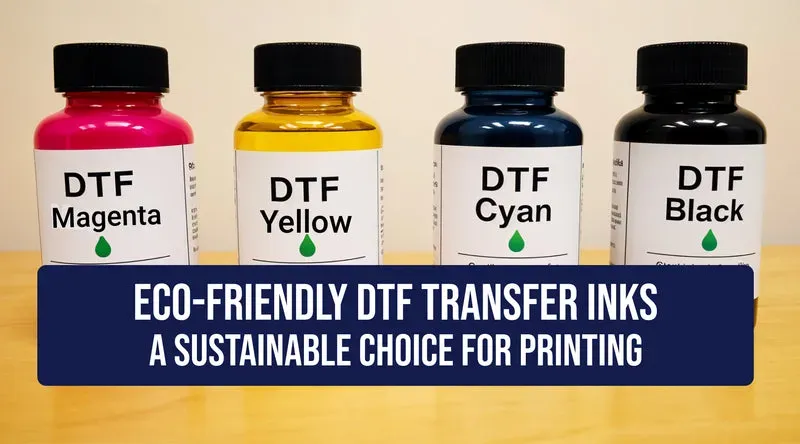
In the evolving landscape of textile production, Eco-Friendly DTF Supplies are emerging as a pivotal element in the quest for sustainable printing solutions. This innovative approach to Direct-to-Film (DTF) printing not only prioritizes print quality but also addresses the growing demands for environmentally responsible practices. With the introduction of water-based inks and recyclable transfer films, businesses can significantly reduce their ecological footprint while maintaining high standards in print performance. Energy-efficient DTF printers further contribute to this cause by minimizing energy consumption during production. In this article, we will explore the multifaceted advantages of eco-friendly DTF supplies and their crucial role in paving the way toward a more sustainable printing future.
The concept of Eco-Friendly DTF Supplies encapsulates a range of sustainable materials and technologies designed for Direct-to-Film printing, which is revolutionizing the textile printing industry. This method emphasizes responsible sourcing and production through the use of non-toxic inks, recyclable substrates, and energy-saving machinery. As businesses increasingly align with eco-conscious principles, alternative terms such as sustainable print materials and green printing technologies are gaining traction. These innovations not only cater to consumer preferences for environmentally safe products but also enhance operational efficiency, signaling a transformative shift toward greener industry practices. Thus, understanding the significance of eco-alternatives in DTF printing is essential as we move toward responsible manufacturing.
The Benefits of Eco-Friendly DTF Supplies
The shift towards eco-friendly DTF supplies offers numerous benefits that extend far beyond environmental impact. One of the most significant advantages is the enhancement of brand reputation. Companies that prioritize sustainable practices are increasingly favored by consumers who value ecological responsibility. With a growing awareness of environmental issues, being recognized as an eco-conscious brand helps businesses attract and retain customers, ultimately boosting sales and fostering loyalty. Furthermore, using eco-friendly materials can improve market competitiveness, creating a niche that appeals to environmentally aware consumers.
In addition to consumer goodwill, eco-friendly DTF supplies can lead to operational efficiencies. Many manufacturers experience reduced costs associated with waste management and material sourcing when they switch to sustainable options. For instance, employing recyclable transfer films reduces the amount of waste produced during the printing process, alleviating disposal costs and minimizing landfill impact. Additionally, businesses that invest in energy-efficient printers and machines often see decreased energy bills, further establishing a win-win scenario for both the environment and the bottom line.
Sustainable Inks: Transforming DTF Printing
Sustainable inks are revolutionizing the DTF printing process, providing a safer and more eco-friendly alternative to traditional solvent-based options. Water-based inks, in particular, have emerged as a favorable choice due to their reduced volatile organic compounds (VOCs), which minimizes harmful emissions during production. By leveraging renewable materials in the formulation of these inks, manufacturers can significantly decrease their overall carbon footprint, contributing to a more sustainable printing environment.
Moreover, advancements in sustainable ink technology are paving the way for vibrant color results and superior durability, matching the performance metrics of traditional inks. This ensures that manufacturers do not have to compromise on quality while adopting eco-friendly practices. As a result, the transition to sustainable inks is win-win: producers achieve high-quality prints without the associated environmental costs, and consumers benefit from safer products that support their sustainability goals.
Energy-Efficient DTF Printers: Reducing Environmental Impact
The development of energy-efficient DTF printers marks a significant milestone in creating a more sustainable printing industry. These machines have been engineered to use less power without compromising on speed or output quality. By operating with lower energy consumption, manufacturers not only reduce their operational costs but also lessen the overall environmental impact of their production processes, aligning with broader goals of sustainability.
Additionally, the introduction of energy-efficient technologies promotes longevity and reliability in printing equipment. As consumers and businesses alike prioritize sustainability, switching to energy-efficient DTF printers positions manufacturers favorably within the competitive landscape. This transition not only reflects corporate responsibility but also resonates with a broader audience that prioritizes eco-conscious practices when making purchasing decisions.
Recyclable Transfer Films: A Step Toward Sustainability
Recyclable transfer films represent a crucial advancement in DTF printing, aligning with growing consumer demand for sustainability. These films are designed to be easily recyclable, mitigating the long-standing issue of plastic waste prevalent in the printing industry. By adopting recyclable films, manufacturers can reduce their reliance on single-use plastics, thereby minimizing their environmental footprint and contributing to a circular economy.
Moreover, the innovation in recyclable films also enhances product appeal. As more consumers become involved in eco-friendly practices, the demand for products made from recyclable materials is increasing. Printing companies that incorporate these sustainable alternatives demonstrate their commitment to responsible production, potentially leading to increased market share and customer loyalty. This development not only benefits the planet but also helps companies thrive in an increasingly environmentally conscious market.
Education and Awareness: Advancing Eco-Friendly Practices
Education and awareness programs play a pivotal role in advancing sustainable practices throughout the DTF printing industry. With an emphasis on eco-friendly DTF supplies and methods, these programs equip manufacturers with the knowledge and tools needed to implement sustainable practices effectively. Workshops, webinars, and courses focusing on utilizing water-based inks and recyclable materials empower businesses to make informed decisions that benefit both their operations and the environment.
Furthermore, fostering a culture of sustainability within organizations leads to a more informed workforce that can champion eco-friendly initiatives. When employees are educated on the value of sustainable practices, they become advocates for change, driving the completion of green objectives. Elevating awareness around eco-friendly practices ensures that sustainability becomes embedded in the organizational ethos, positioning companies as leaders in the movement towards environmentally responsible printing.
Industry Certifications: Ensuring Sustainable Standards
In the quest for sustainability, industry certifications play an essential role in establishing trust and credibility. Certifications such as OEKO-TEX and GOTS serve as benchmarks that verify the eco-friendliness of processes, materials, and products in the DTF printing sector. By pursuing these certifications, suppliers not only adhere to rigorous environmental standards but also signal to consumers their commitment to sustainability.
Moreover, these certifications help create a competitive edge in an increasingly saturated market. As consumers become more discerning regarding the environmental practices of brands, having recognized eco-labels can significantly influence purchasing decisions. Companies that invest in obtaining industry certifications demonstrate a proactive commitment to responsible manufacturing, fostering customer trust and loyalty in an era where sustainability is paramount.
Frequently Asked Questions
What are eco-friendly DTF supplies and why are they important for sustainable printing?
Eco-friendly DTF supplies refer to environmentally responsible materials and inks used in Direct-to-Film printing. They are crucial for sustainable printing as they minimize ecological impact through the use of water-based inks, recyclable transfer films, and energy-efficient DTF printers, promoting responsible sourcing and manufacturing practices.
How do water-based inks contribute to eco-friendly DTF supplies?
Water-based inks are a key component of eco-friendly DTF supplies because they contain lower levels of volatile organic compounds (VOCs), making them less harmful to the environment and human health. These inks enhance biodegradability and support sustainable printing practices while maintaining high-quality transfer results.
What are recyclable transfer films, and how do they support sustainable DTF printing?
Recyclable transfer films are eco-friendly materials used in DTF printing that can be reprocessed after use, reducing plastic waste. By incorporating recyclable transfer films, manufacturers can significantly reduce their environmental footprint and align their practices with sustainability goals.
What role do energy-efficient DTF printers play in eco-friendly DTF supplies?
Energy-efficient DTF printers are designed to consume less power compared to traditional models, which decreases the overall environmental impact of printing operations. By utilizing these machines, businesses can reduce energy costs and contribute to a more sustainable printing ecosystem.
How do industry standards and certifications impact the choice of eco-friendly DTF supplies?
Industry standards and certifications like OEKO-TEX and GOTS assure consumers that eco-friendly DTF supplies meet strict environmental and safety criteria. These certifications encourage manufacturers to adopt sustainable practices and materials, reinforcing the importance of responsible sourcing in the printing industry.
Why is education important for promoting eco-friendly practices in DTF printing?
Education is vital in promoting eco-friendly practices in DTF printing as it equips printers with knowledge of sustainable techniques and products. Training sessions, workshops, and online courses help industry professionals to adopt eco-friendly DTF supplies, thereby fostering a culture of sustainability within the printing community.
| Key Aspects | Description |
|---|---|
| Sustainable Inks and Coatings | Utilize water-based inks that minimize VOC emissions and promote biodegradability, reducing environmental impacts. |
| Recyclable Films | Innovative recyclable and biodegradable transfer films help decrease plastic waste and align with sustainability goals. |
| Eco-Conscious Equipment | Development of energy-efficient DTF printers that lower power consumption while maintaining quality output. |
| Industry Standards and Certifications | Suppliers pursue environmental certifications (OEKO-TEX, GOTS) to meet safety standards and assure consumers. |
| Education and Awareness | Rise in educational resources and training programs to promote eco-friendly practices among printers. |
Summary
Eco-Friendly DTF Supplies are revolutionizing the textile printing industry by promoting sustainable methods and materials. This shift is no longer just a trend but a necessary response to the increasing environmental concerns facing modern manufacturing. By embracing water-based inks and recyclable films, companies not only meet consumer demand for greener products but also reduce their ecological footprint. Furthermore, the move towards energy-efficient printers and adherence to stringent industry standards ensures that the production process is both economically viable and environmentally responsible. As more educational resources proliferate, the industry is becoming more informed about the benefits of sustainable practices, leading to a healthier workplace and a more sustainable future. The commitment to Eco-Friendly DTF Supplies signals a promising trajectory towards responsible manufacturing that prioritizes the planet.