
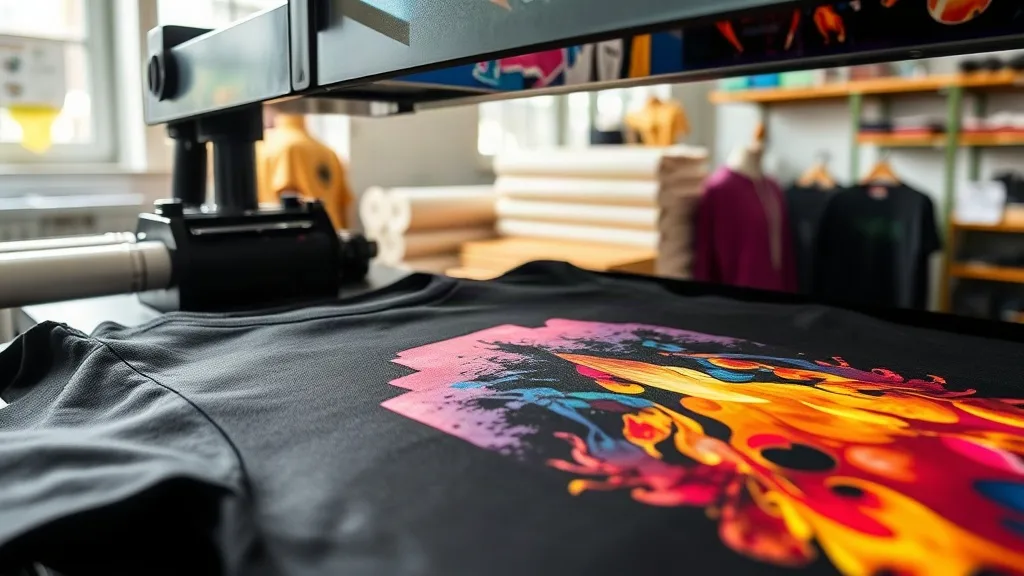
Imagine pressing a vibrant, full-color design onto a cotton t-shirt in under a minute, without any weeding, masking, or specialty vinyl. That's the promise of dtf printing, a digital transfer method that has taken the garment decoration world by storm. Whether you're a hobbyist crafter or a small business owner, understanding how DTF transfers work can open up a new realm of possibilities for custom apparel.
What Are DTF Transfers?
DTF stands for Direct-to-Film. Unlike DTG (Direct-to-Garment) printing, which prints directly onto the fabric, DTF printing involves printing your design onto a special PET film, coating it with a hot-melt adhesive powder, and then curing it. The resulting transfer can be stored and later applied to garments using a heat press. This two-step process allows for incredible detail and color vibrancy that rivals screen printing, but with far less setup.
The key advantage of dtf transfers is their versatility. They adhere to a wide range of fabrics, including cotton, polyester, blends, and even leather. This makes them a go-to solution for printing on tricky materials like nylon jackets or canvas bags, where other methods might struggle. Plus, because the design is printed on a film, you can achieve photographic-quality images with gradients, fine lines, and small text that would be difficult to reproduce with vinyl.
Why Choose DTF Transfers Over Other Methods?
If you've been using heat transfer vinyl (HTV) or screen printing, you might wonder what sets DTF apart. Here are a few compelling reasons:
- No weeding required: With HTV, you spend hours cutting and weeding tiny details. DTF transfers arrive ready to press, saving you time and frustration.
- Full-color designs: DTF printers use CMYK plus white ink, so you can print complex, multi-color graphics in a single pass. No need to layer multiple vinyl colors.
- Durability: When applied correctly, DTF transfers withstand repeated washing without cracking or fading. The adhesive powder creates a strong bond that flexes with the fabric.
- Cost-effective for short runs: Unlike screen printing, which requires separate screens for each color, DTF has no per-color setup fees. This makes it ideal for small batches or one-off custom orders.
Another benefit is the ability to print on dark garments without a white underbase. The white ink layer in DTF transfers ensures that colors pop on black or navy shirts, something that DTG sometimes struggles with.
How to Apply DTF Transfers: Step-by-Step
Applying a DTF transfer is straightforward, but following the right steps ensures a professional, long-lasting result. Here's what you need to know.
1. Gather Your Equipment
You'll need a heat press (not an iron, as consistent pressure and temperature are crucial), the DTF transfer itself, and a garment. A Teflon sheet or parchment paper is optional but recommended to protect the transfer during pressing.
2. Preheat the Garment
Set your heat press to the temperature recommended by your transfer supplier, typically around 300°F to 325°F (150°C to 160°C). Preheat the garment for a few seconds to remove moisture and wrinkles. This step also helps the adhesive bond better.
3. Position the Transfer
Place the DTF transfer on the garment with the printed side facing up. The film backing should be on top. If you're using a Teflon sheet, place it over the transfer to prevent sticking.
4. Press with Medium to Heavy Pressure
Apply medium to heavy pressure for 10 to 15 seconds. The exact time can vary based on your press and the transfer, so always test with a scrap piece first. Consistent pressure is key to avoiding cold spots where the transfer might not adhere.
5. Peel the Film
After pressing, you can either peel the film hot or cold, depending on the transfer type. Most DTF transfers are hot peel, meaning you remove the film immediately while it's still warm. Peel in a smooth, steady motion, ideally at a low angle. If any part of the design lifts, press again for a few seconds.
6. Post-Press for Durability
For added durability, especially on stretchy fabrics, cover the design with parchment paper and press again for 5 to 10 seconds. This second press helps the adhesive fully penetrate the fabric fibers.
Common Mistakes to Avoid with DTF Transfers
Even experienced crafters can run into issues. Here are some pitfalls to watch out for:
- Insufficient pressure: If the transfer peels off after washing, it's often due to not enough pressure during application. Make sure your press is adjusted correctly.
- Wrong temperature: Too hot and the film may scorch or the adhesive may over-melt; too cold and the adhesive won't activate. Always follow the supplier's recommendations.
- Not preheating: Skipping the preheat can trap moisture, leading to poor adhesion.
- Peeling too fast: Ripping off the film can distort the design. Peel slowly and steadily.
- Using the wrong fabric: While DTF works on many materials, some fabrics with heavy coatings or waterproof finishes may require special handling. Always test first.
Choosing the Right DTF Transfer Supplier
Not all DTF transfers are created equal. The quality of the film, ink, and adhesive powder varies significantly between suppliers. When sourcing transfers, consider the following:
- Ink vibrancy and opacity: Look for transfers that produce bright, opaque colors, especially on dark garments.
- Adhesive strength: A good transfer should stretch with the fabric without cracking. Read reviews or request samples.
- Film thickness: Thinner films tend to conform better to the fabric and feel softer to the touch.
- Customer service: A reliable supplier will provide clear instructions and support if you encounter issues.
At DTFZones, we specialize in high-quality DTF transfers that deliver exceptional results. Our transfers are known for their vibrant colors, durable adhesion, and ease of use. Whether you're printing a single custom shirt or a batch for your business, we've got you covered.
Frequently Asked Questions About DTF Transfers
How long do DTF transfers last?
With proper application and care, DTF transfers can last as long as the garment itself. They withstand dozens of washes without fading or cracking. To maximize longevity, wash the garment inside out in cold water and avoid harsh detergents or bleach.
Can I use DTF transfers on 100% polyester?
Yes, DTF transfers work well on polyester, including athletic wear and jerseys. However, because polyester is heat-sensitive, you may need to lower the press temperature slightly (around 280°F to 300°F) and use a shorter press time to avoid scorching or dye migration.
Do I need a special printer to make DTF transfers?
Yes, DTF printing requires a dedicated DTF printer that uses pigment inks and white ink, along with a shaker machine for applying adhesive powder. However, if you're not ready to invest in a printer, you can purchase pre-made DTF transfers from suppliers like DTFZones.
What's the difference between DTF and DTG?
DTG prints directly onto the garment, while DTF prints onto a film that is then transferred. DTF generally offers better durability and works on more fabric types, while DTG is limited mostly to cotton. DTF also allows for printing on dark colors without a pretreatment step.
Can I stretch a DTF transfer after application?
DTF transfers have some stretchability, but they are not as elastic as the fabric itself. For stretchy fabrics like spandex, choose a transfer with a high-quality elastic adhesive and avoid over-stretching the design. Post-pressing can improve flexibility.
Ready to elevate your custom apparel game? Explore our collection of DTF transfers at DTFZones and experience the difference for yourself.