
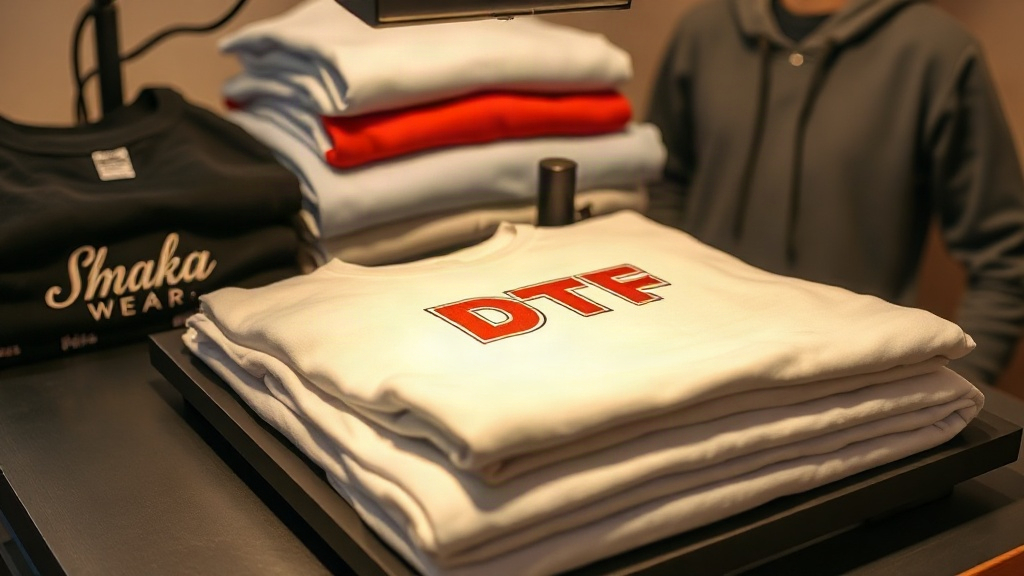
When you first dive into the world of custom apparel, the options can feel overwhelming. You have heat transfer vinyl, screen printing, sublimation, and then there's DTF transfers. Each method has its place, but DTF (Direct to Film) has exploded in popularity for good reason. It works on almost any fabric, produces incredibly detailed prints, and doesn't require weeding. But to get the most out of this technology, you need to pair it with the right blank garment. In this guide, we'll walk through what makes DTF transfers tick, how to choose blanks from trusted brands like Shaka Wear and Smart Blanks, and share practical tips for flawless results.
What Are DTF Transfers and Why They Matter
DTF transfers are printed on a special film using water-based inks, then coated with a hot-melt adhesive powder. When you apply heat and pressure, the adhesive melts into the fabric, creating a strong bond that flexes with the garment. Unlike vinyl, DTF can handle complex, multi-color designs without layering. Unlike screen printing, it's cost-effective for small batches. And unlike sublimation, it works on 100% cotton and dark fabrics. This versatility makes DTF a go-to for custom t-shirts, hoodies, tote bags, and more.
Choosing the Right Blank for DTF Transfers
Not all blanks are created equal. The fabric content, weave, and finish all affect how well a DTF transfer adheres and how it feels. Here's what to look for:
- Fabric content: DTF works on cotton, polyester, and blends. However, 100% cotton tends to give the softest hand feel, while polyester can sometimes cause the print to look slightly glossier.
- Weave and texture: Smooth, tight-knit fabrics provide the best surface for DTF. Rough or heavily textured fabrics (like some fleece) may require extra pressure or a second press.
- Color: DTF transfers include a white ink layer, so they show up vividly on dark colors. But on very dark fabrics, a slightly thicker transfer may be needed for full opacity.
- Pre-treatment: Some blanks come with a stain-resistant finish or fabric softener that can interfere with adhesion. Always pre-press the garment to remove moisture and wrinkles.
Shaka Wear: A Streetwear Favorite
Shaka Wear has become a staple in the custom apparel scene, especially for streetwear and urban styles. Their t-shirts are known for being heavyweight, boxy, and durable. The 100% cotton construction takes DTF transfers beautifully, and the tight knit helps the print sit smoothly. If you're printing bold graphics or all-over designs, Shaka Wear tees provide a premium canvas that holds up wash after wash. Just be mindful that their heavier fabrics may need a slightly longer press time to ensure the adhesive fully cures.
Smart Blanks: Affordable and Reliable
For budget-conscious projects, Smart Blanks offers a range of garments that balance quality and price. Their cotton and poly-cotton blends are popular for promotional items, team uniforms, and everyday wear. While they may not have the same heavyweight feel as Shaka Wear, they still provide a smooth surface for DTF transfers. The key is to test your settings: Smart Blanks vary in thickness, so adjust your heat press temperature and pressure accordingly. With a bit of experimentation, you can achieve professional-looking results without breaking the bank.
Step-by-Step DTF Application Process
Getting a perfect DTF transfer isn't just about the equipment; it's about technique. Follow these steps for consistent results:
- Pre-press the garment: Set your heat press to 300-320°F (150-160°C) and press for 5-10 seconds to remove moisture and wrinkles. This step is crucial for adhesion.
- Position the transfer: Place the DTF film on the garment with the printed side facing up. Use heat tape if needed to keep it in place.
- Press: Apply medium to firm pressure for 10-15 seconds. For heavier fabrics or Shaka Wear tees, you might need 15-20 seconds.
- Peel: Wait for the transfer to cool completely before peeling the film. This is a cold peel process, so patience is key. Peeling too early can cause the design to lift.
- Post-press: For extra durability, cover the design with parchment paper or a Teflon sheet and press again for 5-10 seconds. This ensures the adhesive fully melts into the fabric.
Common Mistakes to Avoid
Even experienced crafters run into issues. Here are some pitfalls and how to sidestep them:
- Insufficient pressure: If the transfer peels off after washing, you likely didn't use enough pressure. Increase it gradually until you find the sweet spot.
- Wrong temperature: Too hot and the film can scorch or the adhesive can over-melt; too cool and it won't bond. Always test with a temperature gun.
- Peeling too soon: DTF is a cold peel. Waiting those extra seconds makes a huge difference.
- Ignoring fabric type: What works for a 100% cotton Shaka Wear tee might not work for a 50/50 blend from Smart Blanks. Adjust settings accordingly.
DTF Transfers on Different Blanks: A Comparison
Let's break down how DTF performs on popular blank types:
- 100% Cotton (e.g., Shaka Wear): Excellent. The print feels soft, colors are vibrant, and durability is top-notch. Ideal for high-end retail looks.
- Cotton/Poly Blends (e.g., Smart Blanks): Very good. Slightly less soft but still comfortable. Great for cost-effective projects.
- 100% Polyester: Good, but the print may have a slight sheen. Use lower temperature to avoid dye migration.
- Tri-Blends: Good, but the texture can affect smoothness. Use a finer powder for better detail.
Washing and Care Tips for DTF-Printed Apparel
To keep your DTF transfers looking fresh, follow these care instructions:
- Wait at least 24 hours before the first wash to allow the adhesive to fully cure.
- Turn the garment inside out before washing.
- Use cold water and a gentle cycle.
- Avoid bleach and fabric softeners, which can degrade the adhesive.
- Tumble dry on low or hang dry. High heat can cause cracking.
- If ironing is needed, do not iron directly on the print. Use a cloth barrier.
Frequently Asked Questions About DTF Transfers
Can I use DTF transfers on 100% polyester shirts?
Yes, DTF transfers work on polyester, but you need to adjust your heat press settings. Polyester is sensitive to high heat, so lower the temperature to around 280-300°F (140-150°C) and use light pressure. Also, be aware that dye migration can occur with dark polyester; using a low-bleed DTF film or a blocker sheet can help.
How do Shaka Wear and Smart Blanks compare for DTF printing?
Both are excellent choices, but they cater to different needs. Shaka Wear offers heavyweight, premium blanks ideal for retail-quality apparel. Their tight weave and 100% cotton construction yield a soft, durable print. Smart Blanks are more budget-friendly and come in various blends, making them great for large orders or promotional items. The choice depends on your budget and desired feel.
What is the best heat press temperature for DTF transfers?
The recommended temperature range is 300-320°F (150-160°C) for most fabrics. However, for heat-sensitive materials like polyester, lower it to 280-300°F (140-150°C). Always test with a small sample to find the optimal setting for your specific blank and DTF film.
Do DTF transfers fade after washing?
When applied correctly and cared for properly, DTF transfers are highly durable and resist fading. The key is to avoid high heat during washing and drying, and to use mild detergent. With proper care, the print can last as long as the garment itself.
Can I stretch DTF transfers on athletic wear?
DTF transfers have some elasticity, so they can handle moderate stretching. For athletic wear with high spandex content, the print may crack over time if stretched excessively. To minimize this, choose a transfer with a flexible adhesive and avoid over-stretching the garment when wearing.
Final Thoughts
DTF transfers open up a world of possibilities for custom apparel, and pairing them with the right blank is the secret to professional results. Whether you go with the heavyweight durability of Shaka Wear or the affordability of Smart Blanks, the techniques in this guide will help you achieve vibrant, long-lasting prints. Remember to pre-press, use the correct temperature and pressure, and always cold peel. With a little practice, you'll be creating stunning DTF-printed garments that impress your customers and stand the test of time.