
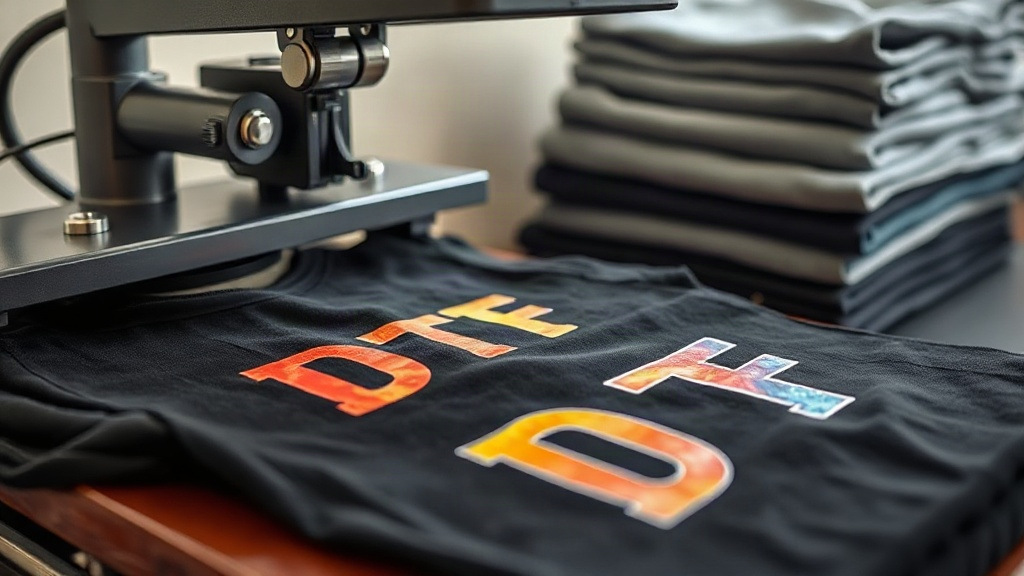
When it comes to creating custom apparel that stands out, the printing method you choose can make or break the final product. Among the many options available, DTF transfers have emerged as a game-changer for both small businesses and large-scale operations. Whether you're printing intricate designs on t-shirts, hoodies, or tote bags, DTF transfers offer unmatched versatility, durability, and color vibrancy. In this guide, we'll dive deep into what DTF transfers are, how they work, and why they might be the perfect solution for your next project. We'll also explore how choosing the right blank apparel, such as those from Shaka Wear and Smart Blanks, can elevate your results.
What Are DTF Transfers?
DTF stands for Direct to Film. It's a printing technology where your design is printed onto a special film using water-based inks, then coated with a adhesive powder and cured. The resulting transfer can be applied to various fabrics using a heat press. Unlike DTG (Direct to Garment) printing, which requires pretreating and works best on 100% cotton, DTF transfers can adhere to a wide range of materials, including cotton, polyester, blends, and even nylon. This flexibility makes DTF transfers a favorite among apparel decorators.
How DTF Transfers Work: Step by Step
Understanding the process helps you appreciate the quality. Here's a breakdown:
- Design Preparation: Your artwork is prepared digitally, ensuring proper color separation and resolution.
- Printing: The design is printed onto a PET film using a DTF printer with CMYK and white inks. The white ink acts as a base for opacity on dark fabrics.
- Powdering: A thermoplastic adhesive powder is applied to the wet ink.
- Curing: The film passes through a curing oven or heat press to melt the powder, creating a dry, ready-to-use transfer.
- Application: The transfer is placed on the garment and pressed with a heat press at specific temperature, pressure, and time.
- Peeling: After pressing, the film is peeled off (hot or cold peel depending on the film type), leaving the design bonded to the fabric.
This process yields a soft, stretchable print that can handle fine details and gradients without cracking.
Why Choose DTF Transfers Over Other Printing Methods?
If you're still on the fence, consider these advantages:
- Versatility: Works on almost any fabric, including dark and synthetic materials.
- No Pretreatment: Saves time and equipment costs compared to DTG.
- Durability: With proper application, DTF prints withstand dozens of washes without fading or peeling.
- Cost-Effective for Short Runs: No minimum order quantities, ideal for small batches or personalized items.
- Vibrant Colors: The white ink base ensures bright, opaque colors even on black garments.
- Detail Reproduction: Perfect for complex designs with fine lines and small text.
While screen printing is great for bulk orders of simple designs, DTF transfers shine when you need flexibility and high-quality results on demand.
Choosing the Right Blank Apparel for DTF Transfers
The quality of your blank garment significantly impacts the final outcome. Not all blanks are created equal; factors like fabric content, weave, and finish affect how well the transfer adheres and feels. Here are some top brands to consider:
Shaka Wear: Streetwear Essentials
Shaka Wear has built a reputation for premium heavyweight tees and hoodies that cater to the streetwear and urban fashion scene. Their garments are known for their relaxed fits, durable construction, and soft hand feel. When paired with DTF transfers, Shaka Wear blanks provide a smooth canvas that enhances print vibrancy. Their 100% cotton options work exceptionally well, but they also offer blends that DTF can handle with ease. If you're targeting a fashion-forward audience, Shaka Wear is a solid choice.
Smart Blanks: Affordable Quality
Smart Blanks offers a range of budget-friendly apparel without compromising on quality. Their tees and fleece are popular among decorators for their consistent sizing and colorfastness. For those just starting with DTF transfers, Smart Blanks provides an economical way to test designs without investing heavily. The smooth surface of their fabrics ensures excellent adhesion and a professional finish. Plus, their extensive color palette lets you experiment with various background hues.
How to Apply DTF Transfers Correctly
Getting a flawless application requires attention to detail. Follow these steps for best results:
- Preheat the Garment: Remove moisture and wrinkles by pressing for a few seconds.
- Position the Transfer: Place the film with the design facing up on the garment.
- Press: Use medium pressure at 325°F (160°C) for 15-20 seconds. (Always check your transfer supplier's recommendations.)
- Peel: For hot peel, remove the film immediately while hot; for cold peel, wait until it cools completely.
- Post-Press (Optional): For extra durability, cover with parchment paper and press again for 5-10 seconds.
Always test on a scrap piece first to dial in your settings.
Common Mistakes to Avoid with DTF Transfers
Even experienced decorators can slip up. Watch out for these pitfalls:
- Insufficient Pressure: Leads to poor adhesion and early peeling.
- Wrong Temperature: Too low and the adhesive won't activate; too high and the film may scorch.
- Ignoring Fabric Type: Some fabrics like nylon require lower temperatures to avoid melting.
- Skipping Pre-Press: Moisture can cause steam pockets and uneven transfer.
- Improper Storage: Store transfers in a cool, dry place to prevent powder degradation.
Frequently Asked Questions About DTF Transfers
How long do DTF transfers last on garments?
With proper application and care (washing inside out, avoiding bleach), DTF transfers can last 50+ washes. The print may slightly fade over time, but it won't crack or peel like some other methods.
Can I use DTF transfers on 100% polyester?
Yes, DTF transfers work well on polyester, but you need to adjust temperature settings. Lower temperatures (around 280-300°F) are recommended to prevent dye migration and fabric damage. Always test first.
Do I need a special printer for DTF transfers?
Yes, DTF requires a dedicated DTF printer that uses pigment inks and white ink. However, you can also purchase pre-printed transfers from suppliers if you don't want to invest in equipment.
What is the difference between DTF and DTG?
DTG prints directly onto the garment and requires pretreatment, primarily for cotton fabrics. DTF involves printing on a film and transferring, allowing use on more fabric types without pretreatment.
Which blanks work best with DTF transfers, Shaka Wear or Smart Blanks?
Both are excellent. Shaka Wear is ideal for premium streetwear with heavier fabrics, while Smart Blanks offers affordability and a wide color range. Consider your target market and budget.
Final Thoughts
DTF transfers have revolutionized custom apparel printing by combining versatility, durability, and ease of use. By selecting the right blanks from trusted brands like Shaka Wear and Smart Blanks, and mastering the application process, you can produce professional-grade garments that impress customers. Whether you're a small business owner or a DIY enthusiast, DTF transfers open up a world of creative possibilities. So why not give them a try on your next project?