
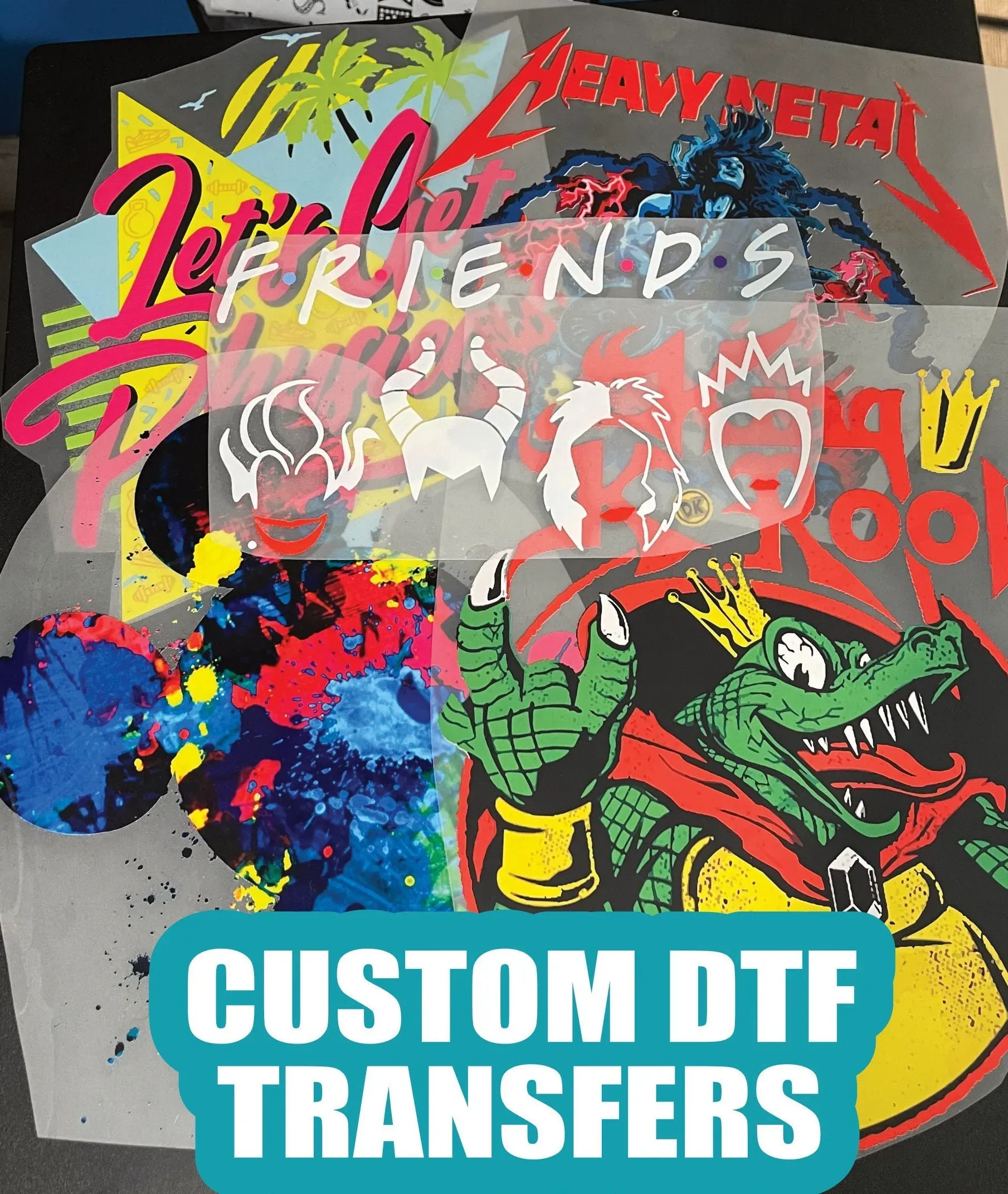
DTF Transfers, short for Direct to Film transfers, are taking the custom apparel industry by storm. This innovative printing method provides an efficient way to print intricate designs onto various fabrics, capturing the vibrancy and detail that consumers crave. With the booming interest in personalized clothing, DTF transfers offer numerous advantages, including cost-effectiveness and impressive durability. In this comprehensive guide, you will discover the DTF transfer process, learn about its many benefits, and understand how it can transform your approach to creating custom apparel. Whether you're a seasoned pro or just starting out, mastering DTF printing can significantly enhance your business prospects.
In the realm of fabric decoration, the technique known as Direct to Film (DTF) has emerged as a game-changer for creating stunning designs on textiles. This forward-thinking process leverages advanced printing technology to transfer vibrant graphics onto garments, paving the way for an era of customizable fashion. It encompasses a series of steps that include printing on a special film, applying adhesive, and using a heat press for final application—each contributing to the final product's quality. Additionally, the advantages offered by this transfer method, such as versatility and long-lasting prints, have made it a favorite among both large-scale manufacturers and smaller independent creators in the custom apparel landscape. With the rise of personalized clothing, embracing DTF transfers could represent a pivotal shift in your printing endeavors.
Understanding DTF Printing Technology
DTF printing, or Direct to Film printing, is a modern process that enables vibrant designs to be directly transferred onto fabric. This innovative technique is revolutionizing the custom apparel landscape by allowing for high-quality prints on various fabric types, such as cotton, polyester, and blends. The process begins with the creation of a unique transfer film, upon which your design is printed using specialized DTF inks. This technology harnesses the power of digital printing to achieve stunning details and colors that truly pop, making your garments stand out in a competitive marketplace.
The appeal of DTF printing lies not just in its aesthetic quality but also in its versatility. DTF transfers are capable of handling complex designs that may include photorealistic images, intricate logos, or dynamic artwork. This flexibility allows apparel companies—whether large manufacturers or small startups—to offer a wider range of products without limiting their creative potential. As the demand for individualized apparel continues to grow, understanding the underlying technology of DTF printing becomes essential for anyone looking to thrive in this field.
The Comprehensive DTF Transfer Process
The DTF transfer process is a multi-step method that combines printing, adhesive application, and heat transfer to create durable and vibrant designs. It begins with printing your selected design onto specialized DTF transfer film. This film is equipped to handle high-quality inks that adhere exceptionally well to fabrics. After printing, an adhesive powder is sprinkled onto the wet ink, which then bonds to the film. This unique combination ensures that the design is securely adhered to the fabric during the heat transfer phase.
Once the adhesive is applied, the next step involves using a heat press to transfer the design from the film to the fabric. This process requires a precise application of heat and pressure, ensuring that every detail of the print is embedded within the fabric fibers. The result? A beautiful, long-lasting graphic that can withstand washing and wear. Mastering the DTF transfer process not only enhances the quality of your finished products but also increases customer satisfaction as they receive apparel that is vibrant and durable.
As the DTF transfer process becomes streamlined with user-friendly equipment and techniques, even beginners can quickly adapt to this innovative method. Understanding each step of the process can make a significant difference in the quality of the finished product and overall efficiency of your custom apparel business.
Benefits of DTF Transfers for Custom Apparel
The adoption of DTF transfers brings numerous advantages that make them an attractive option for custom apparel printing. One significant benefit is their cost-effectiveness. Unlike traditional screen printing methods that require multiple screens for different colors, DTF transfers allow for multiple colors to be printed in a single pass. This not only reduces production time but also lowers material costs, making it easier for businesses to offer competitive pricing.
Additionally, DTF transfers are known for their exceptional durability. The designs remain vibrant and intact even after multiple washes, which is a crucial factor for consumer satisfaction in the apparel industry. Customers are more likely to return to businesses that provide high-quality, long-lasting products, making DTF transfers an excellent investment for those looking to build a loyal customer base. Overall, the benefits of DTF technology significantly improve the potential for success in the custom apparel market.
Choosing the Right Equipment for DTF Printing
When delving into DTF printing, selecting the right equipment is crucial for achieving professional results. Essential tools include a DTF printer that is specifically designed for this method, such as those from reputable brands like Epson. This type of printer utilizes DTF inks that are optimized for quality, ensuring that your prints exhibit vibrant colors and clarity. In addition to the printer, you will need a heat press machine that can apply consistent heat and pressure across your designs.
Beyond the printer and heat press, sourcing high-quality DTF transfer films and adhesive powders is vital for ensuring that your designs adhere well and maintain quality over time. Failing to invest in reliable supplies can result in poor print outcomes or user frustration, particularly for those new to the process. By prioritizing quality equipment and materials, those venturing into DTF printing can set themselves up for success right from the beginning.
Market Trends Influencing DTF Transfers
The demand for DTF transfers has seen significant growth as consumers increasingly seek personalization in their clothing. As e-commerce continues to flourish, businesses can leverage DTF transfers to produce custom apparel more rapidly and affordably than ever. Market trends suggest that consumers value unique designs, and the ability to produce these efficiently makes DTF printing an attractive option for both large-scale operations and small craft businesses.
Another emerging trend is the rise of DIY enthusiasts who are turning to DTF printing as a way to create one-of-a-kind items for personal use or for resale. This segment of the market values the user-friendly nature of DTF technology, which does not require extensive training or a hefty upfront investment. As this trend grows, businesses offering DTF transfer services are strategically positioned to cater to a wider audience, from professional designers to novice creators.
Getting Started with DTF Transfers: Tips for Beginners
Embarking on your journey into DTF transfers can be an exciting venture, especially for beginners looking to break into the custom apparel market. The first step is to thoroughly research DTF technology through online resources, tutorials, and community forums. Understanding the intricacies of the DTF printing process can help prevent common pitfalls and expedite your learning curve.
Once you feel equipped with knowledge, testing different fabrics is key to discovering which materials yield the best results with your DTF transfers. Each fabric can react differently to the heat transfer process, and getting familiar with how DTF performs on various textiles will set up a solid foundation for your custom apparel offerings. Additionally, investing in high-quality design software can help you create unique and compelling graphics that resonate with your target audience, further enhancing your brand’s appeal.
Frequently Asked Questions
What are DTF transfers and how do they work?
DTF transfers, or Direct to Film transfers, are modern printing techniques where designs are printed onto a special film before being transferred to fabric using heat and pressure. This process allows for vibrant colors and detailed images on various fabric types, making it ideal for custom apparel.
What are the key benefits of using DTF transfers for custom apparel?
The benefits of DTF transfers include versatility in application to various fabrics, cost-effectiveness due to multi-color printing in one pass, durability that ensures designs stay vibrant after washes, and ease of use for beginners, allowing quick entry into custom apparel production.
Is the DTF transfer process suitable for beginners in the custom printing business?
Yes, the DTF transfer process is highly suitable for beginners as it requires relatively simple equipment such as a DTF printer and heat press, along with minimal specialized training. This accessibility makes it a popular choice among hobbyists and new businesses.
What equipment do I need to start DTF printing?
To start DTF printing, you will need a DTF printer compatible with DTF inks, a heat press machine for transferring the designs, as well as DTF transfer films and adhesive powders. These essential supplies can be readily obtained from suppliers.
Can DTF transfers be used on all fabric types?
Yes, DTF transfers are versatile and can be applied to a wide range of fabric types, including cotton, polyester, and various blends. This flexibility allows custom apparel businesses to expand their product offerings to meet diverse consumer demands.
Where can I find the best supplies for DTF transfers?
High-quality supplies for DTF transfers can be found from reputable suppliers like Sam's DTF Transfers, which offer a variety of DTF transfer films, adhesives, and printers suited for both established screen printers and new custom apparel businesses.
| Key Points | Description |
|---|---|
| What are DTF Transfers? | DTF transfers involve printing designs onto a special film, which is then heat-transferred to fabric. |
| How DTF Transfers Work | 1. Printing: Images are printed on transfer film using DTF printers. 2. Applying Adhesive: Adhesive powder is applied to bond designs with fabric. 3. Heat Transfer: Heat and pressure transfer the design onto the fabric. |
| Key Benefits of DTF Transfers | - Versatile: Works on cotton, polyester, and blends. - Cost-Effective: Prints multiple colors in one pass. - Durable: Designs remain vibrant even after washing. - User-Friendly: Easy for beginners to learn. |
| Required Equipment | - DTF Printer: Designed for DTF inks and films. - Heat Press Machine: Secures application of transfers. - DTF Transfer Film and Adhesive Powder: Essential for the transfer work. |
| Market Insights and Trends | - Growing demand for DTF transfers is evident, with companies like Sam's leading in market supply. - Ideal for small business owners due to affordability and quality. |
| Getting Started Tips | 1. Research DTF technology. 2. Test various fabrics. 3. Invest in quality supplies. 4. Make unique designs. |
Summary
DTF Transfers are revolutionizing the world of custom apparel by offering a seamless and effective way to apply intricate designs to various fabrics. This innovative printing technique has made personalized clothing more accessible and appealing, benefiting both large businesses and home-based entrepreneurs. As the demand for customization grows, understanding the process and benefits of DTF transfers will empower anyone looking to establish themselves in the thriving market of custom printing. With its versatility, affordability, and ease of use, DTF Transfers present a compelling opportunity for anyone keen on creativity and entrepreneurship in the apparel industry.