
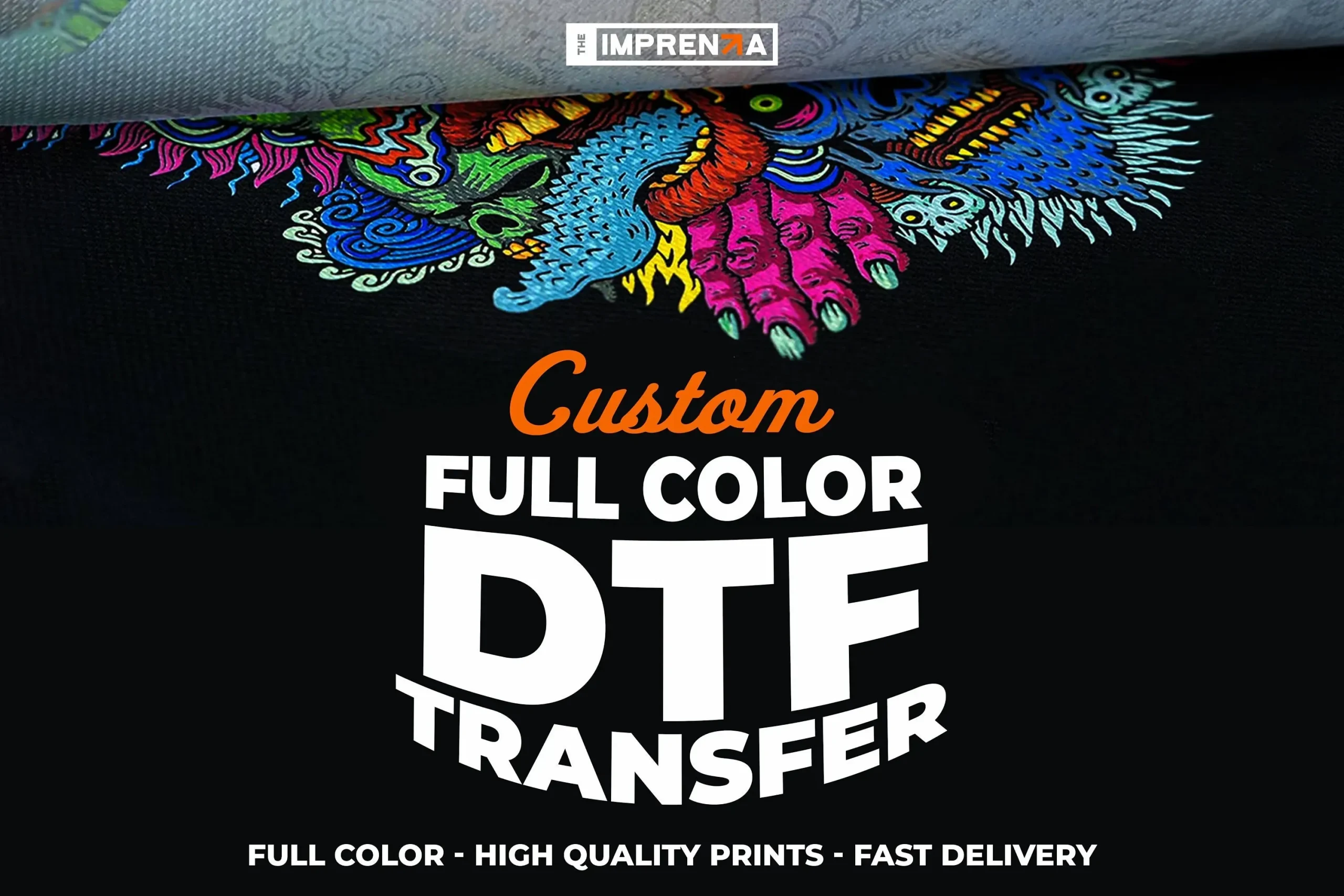
In the dynamic realm of custom apparel, **DTF Transfers** (Direct to Film Transfers) are rapidly gaining attention for their versatility and vivid output. This innovative printing method allows artists, hobbyists, and entrepreneurs to express their creativity with high-quality designs that can be easily applied to various fabrics. The DTF printing process stands out due to its ability to produce detailed, colorful prints while remaining cost-effective for small businesses. Whether you're brand new to the craft or looking to enhance your printing capabilities, this beginner guide to DTF will provide essential insights into utilizing DTF transfers effectively. Dive deep into the world of DTF and discover how to use DTF transfers to elevate your custom apparel projects.
Within the landscape of custom textile decoration, techniques that emphasize direct printing onto films—often referred to as DTF Transfers—are revolutionizing how designs are transferred onto fabrics. The process offers a unique blend of efficiency and creativity, allowing for stunning visuals tailored for a variety of garments. This method has seen a surge in popularity, making it a go-to solution for those keen on custom apparel printing. Whether termed as direct-to-film printing or utilizing specialized transfer films, understanding this innovative process can unlock exciting opportunities for both budding designers and established businesses alike. As you embark on your journey into the world of fabric printing, grasping the nuances of DTF techniques will be invaluable to your success.
Understanding the DTF Printing Process
The DTF printing process stands out for its simplicity and effectiveness in creating high-quality apparel. It begins with printing your design on a specially coated film using a DTF printer that employs eco-friendly, water-based inks. This initial step is crucial as it sets the stage for vibrant colors and sharp details that are characteristic of DTF transfers. After printing, a powdered adhesive is applied while the ink remains wet, ensuring a strong bond. Curing the adhesive is the next critical phase, ensuring that it adheres properly to the fabric during the final heat pressing stage.
The entire DTF printing process has been simplified, making it accessible even for beginners in the custom apparel space. Unlike traditional methods, such as screen printing that can be labor-intensive and time-consuming, the DTF method allows for quicker production. Artists and entrepreneurs can produce full-color prints without the need for extensive setups or complicated procedures. This not only lowers the barriers to entry for new crafters but also increases efficiency for small businesses looking to meet customer demands rapidly.
The Essentials for DTF Transfers
Before diving into DTF transfers, it's essential to gather the right equipment and materials. At the core, you'll need a dedicated DTF printer capable of utilizing water-based inks that provide vibrant color saturation. Alongside the printer, you’ll require a transparent DTF film that's compatible with your chosen machine; this film is where the magic of design transfer happens. Another indispensable component is the powdered adhesive, which ensures that your design firmly adheres to the fabric during heat application.
Moreover, having a reliable heat press is critical, as it’s responsible for transferring the printed design onto various fabrics. A quality heat press will allow you to control temperature and pressure accurately, ensuring that the DTF transfer process runs smoothly. Collectively, investing in these essential tools will set the foundation for producing quality custom apparel, giving you the flexibility to experiment and refine your designs.
Benefits of Using DTF Transfers
One of the primary benefits of using DTF transfers is the versatility they offer. Unlike other printing techniques that may limit you to specific material types, DTF transfers can be applied to a wide range of fabrics, including cotton, polyester, and blends. This capability opens up numerous opportunities for customization, allowing for a diverse range of apparel products to be created. Whether you're aiming to produce vibrant t-shirts or more intricate designs on hoodies, DTF technology accommodates all fabric types with ease.
Additionally, DTF transfers provide unmatched print quality, with photographs and graphics appearing crisp and vivid. The technology allows for full-color printing, facilitating intricate designs without bleeding or fading. For budding entrepreneurs, this means delivering a product that meets high standards, crucial in a competitive market, ultimately leading to increased customer satisfaction and loyalty.
Getting Started with DTF Transfers: A Beginner's Guide
For beginners eager to jump into the world of DTF transfers, the journey starts with understanding each component of the process. Familiarizing yourself with the equipment is a vital first step—this includes everything from setting up your DTF printer to learning how to prepare your film and adhesive properly. Online resources, including tutorials and beginner’s guides, can provide the foundation you need to grasp the essentials, enabling you to produce your first designs relatively quickly.
Engaging with community forums and groups can also be immensely beneficial. These platforms offer opportunities to ask questions, share experiences, and receive advice from established DTF users. Learning from others allows beginners to troubleshoot challenges and discover creative techniques that can enhance their work as they experiment with DTF transfers. Empowered with knowledge and community support, beginners can set themselves on the path to mastering this exciting printing method.
Current Trends in the Custom Apparel Printing Market
The custom apparel market is witnessing a significant transformation with the rising popularity of DTF transfers. As more individuals recognize the potential for starting their own t-shirt printing businesses from home, the demand for versatile and cost-effective printing methods continues to grow. DTF has emerged as a favorite among hobbyists and entrepreneurs, largely due to its accessible price point and rapid production capabilities, making it an appealing option amidst a competitive landscape.
Additionally, there is a growing trend towards sustainable printing practices, and DTF aligns well with this shift. The use of water-based inks and minimal waste during production are aspects that resonate with eco-conscious consumers and business owners. As trends evolve in the custom clothing sector, embracing DTF technology not only addresses current market demands but also positions businesses as responsible players in the industry.
Challenges When Entering the DTF Market
While DTF transfers offer many advantages, there are challenges to be aware of when entering this market. One significant barrier is the initial setup costs associated with purchasing specialized equipment, such as a DTF printer and heat press. Although the long-term cost effectiveness of DTF printing may outweigh these upfront investments, new entrants should budget adequately to accommodate these essential tools.
Another common challenge for beginners lies in the learning curve associated with mastering the DTF process. From understanding the nuances of applying the adhesive to perfecting the heat pressing technique, new users will need to dedicate time to practice and experimentation. Moreover, ongoing equipment maintenance is crucial for ensuring consistent quality and efficiency in production, adding another layer to the challenges faced by newcomers in this vibrant printing niche.
Frequently Asked Questions
What are the benefits of using DTF Transfers in custom apparel printing?
DTF transfers in custom apparel printing offer several benefits including versatility across different fabric types, high-quality prints with vibrant colors and sharp contrasts, and cost-effectiveness due to lower material and ink expenses. This approach also simplifies the printing process, making it accessible for beginners.
How does the DTF printing process work?
The DTF printing process involves several key steps: first, the design is printed onto a special DTF film. After printing, powdered adhesive is applied to the wet ink, followed by curing the adhesive to ensure a strong bond. Finally, a heat press is used to transfer the design onto the fabric, creating a high-quality print.
What equipment is necessary for DTF Transfers?
To successfully utilize DTF transfers, you will need specific equipment including a DTF printer that uses water-based inks, transparent film compatible with your printer, and powdered adhesive for bonding the design to your chosen fabric.
Is DTF printing suitable for beginners?
Yes, DTF printing is beginner-friendly due to its simplified process and availability of resources such as online tutorials and communities. This printing method allows newcomers to quickly learn how to use the necessary equipment and produce designs without extensive prior experience.
What are the challenges I might face when starting with DTF Transfers?
While DTF transfers have numerous advantages, beginners may encounter challenges such as initial setup costs for equipment, a learning curve to master the printing process, and the need for regular maintenance of printers and tools to ensure consistent quality.
Where can I find resources for learning more about DTF Transfers?
Many resources are available for learning about DTF transfers, including comprehensive online guides, video tutorials, and forums in which you can engage with experienced users. These can provide valuable insights into equipment selection, design preparation, and troubleshooting common issues.
| Key Point | Description |
|---|---|
| Overview | DTF (Direct to Film) Transfers is a printing method used for customizing apparel. |
| Growing Popularity | DTF printing is increasingly favored for its cost-effectiveness and speed. |
| Required Equipment | Basic requirements include a DTF printer, compatible film, and hot melt adhesive. |
| Simplified Process | Involves printing, applying adhesive, curing, and heat pressing. |
| Resources for Beginners | Numerous online resources and communities are available to aid in learning. |
| Market Trends | The growth in home-based t-shirt businesses presents new opportunities. |
| Advantages | DTF transfers offer versatility, high quality, cost-effectiveness, and are user-friendly. |
| Challenges | Initial costs, learning curve, and maintenance requirements may pose barriers. |
Summary
DTF Transfers have revolutionized the custom apparel industry, providing creators and entrepreneurs with endless possibilities for expression and profitability. This innovative printing technique is not only versatile but also cost-effective, making it accessible to a wide range of users from hobbyists to businesses. As you journey into the world of DTF Transfers, take advantage of the growing resources available and immerse yourself in this thriving market. Embrace the creativity and potential that DTF offers, and watch as you carve a successful path in custom apparel printing.