
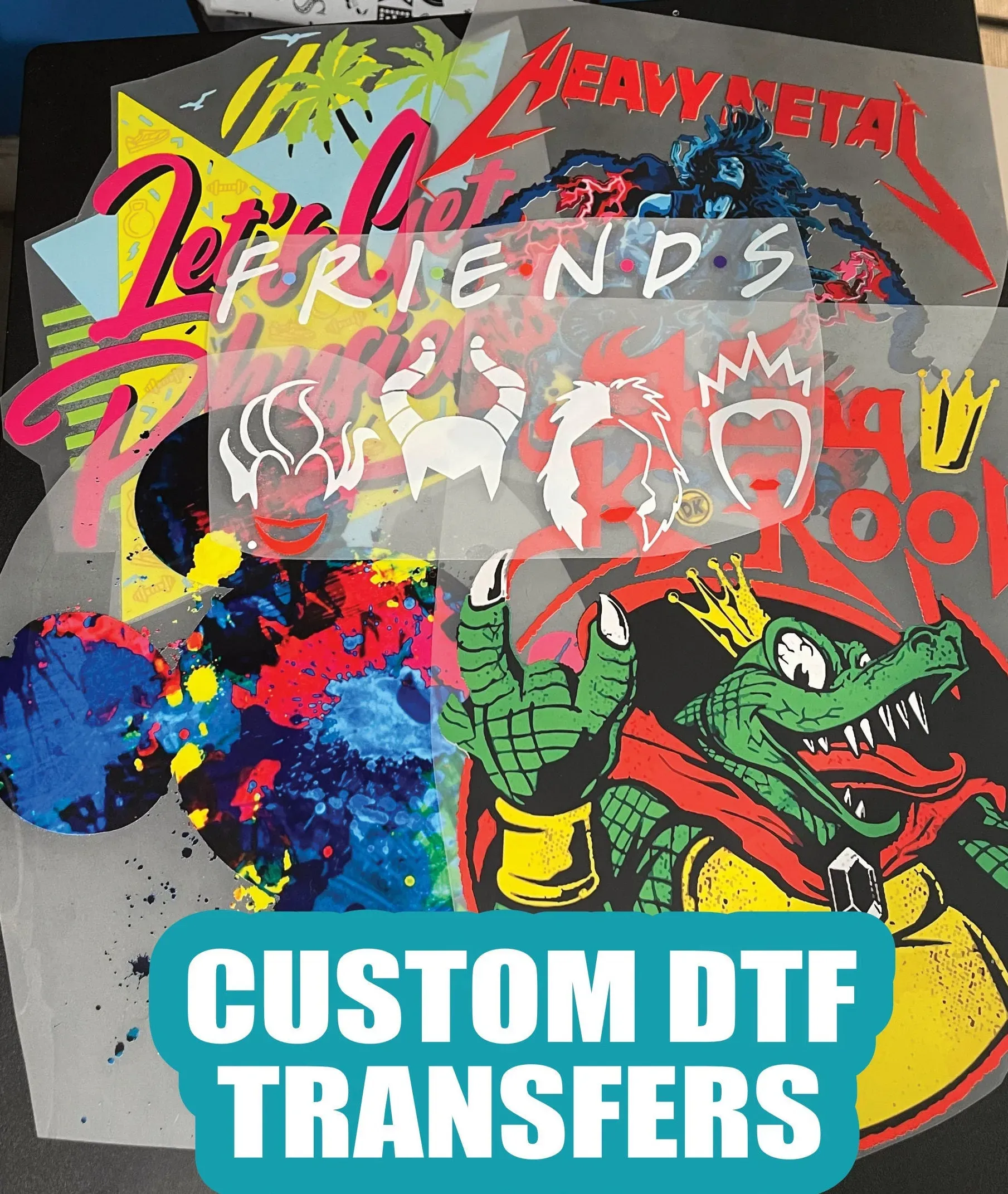
DTF Transfers, or Direct-to-Film transfers, have rapidly emerged as a transformative method in the realm of custom apparel printing. This innovative technique utilizes advanced printing technology to create vibrant fabric designs that truly pop. With the capability to produce high-resolution images that last, DTF transfers are quickly becoming the preferred choice for businesses seeking quality and efficiency in heat transfer printing. As companies look for effective ways to stand out in the competitive fashion industry, understanding the benefits of DTF Transfers can be a game-changer. In this guide, we will explore this remarkable printing method and its growing popularity among creators and entrepreneurs alike.
Direct-to-Film transfers, a cutting-edge solution in the field of fabric printing, are revolutionizing how businesses approach custom designs for apparel. Known for their high-quality output and ease of application, these modern printing options are making waves alongside traditional methods like screen printing and heat transfer printing. By leveraging the latest advancements in printing technology, Direct-to-Film allows for stunning designs that remain durable and vibrant, even after multiple washes. With an emphasis on adaptability and cost-effectiveness, the popularity of this method is surging, highlighting a shift towards innovation in the custom apparel market. In this article, we will delve into the nuances of this printing technique, shedding light on why it is capturing the attention of entrepreneurs and designers alike.
Understanding Direct-to-Film (DTF) Transfers
DTF Transfers, or Direct-to-Film Transfers, represent a cutting-edge innovation in the realm of fabric printing. This method leverages modern printing technology to produce high-quality visuals that are not only vibrant but also exceptionally durable. The essence of DTF printing lies in its ability to deliver detailed designs onto various types of fabric, addressing the needs of diverse industries ranging from fashion to promotional merchandise. By utilizing a specialized film and heat transfer process, DTF allows for more creative freedom compared to traditional methods like screen printing.
What sets DTF transfers apart is their unique workflow. The process begins with printing an intricate design onto a specially coated film, after which a layer of adhesive powder is sprinkled over the wet ink. Once heat is applied, the image bonds securely to the fabric, ensuring full saturation of the colors. This detail-rich process not only maintains the integrity of the original artwork but also enhances the versatility of the printed item, making it suitable for a wide range of materials such as cotton, polyester, and blends.
Benefits of DTF Transfers in Custom Apparel Printing
One of the primary advantages of DTF Transfers is the breathtaking print quality they deliver. These transfers utilize vibrant inks that produce sharp, photorealistic images with a full spectrum of colors. This is particularly beneficial for custom apparel printing, where the aesthetic appeal of the design can significantly influence consumer choice. With DTF, businesses can confidently offer products that reflect original artwork accurately, resulting in a superior end product that satisfies customer expectations.
Furthermore, the durability of DTF prints is unparalleled. Unlike other methods where colors might fade or peel after multiple washes, DTF prints retain their vividness and integrity through extensive use. This quality is a selling point for customers looking for long-lasting products, especially in the fast-paced world of fashion and merchandise. By investing in DTF printing, businesses can ensure that their custom apparel stands the test of time, creating a loyal customer base.
DTF vs. Traditional Printing Methods
In the landscape of fabric printing, DTF Transfers distinguish themselves from more traditional methods such as screen printing and heat transfer vinyl. While screen printing is known for its longevity and vibrant prints, it often requires more complex setups and is less efficient for small batch orders. In contrast, DTF printing allows for quick production runs and easy adjustments to designs, highlighting its adaptability in the current market. For businesses looking to offer personalized apparel, DTF emerges as a more viable alternative.
Moreover, DTF printing combines the benefits of both direct-to-garment and traditional heat transfer methods. It offers the rapid production speed akin to screen printing while maintaining the intricate detail possible with direct-to-garment technology. This combination results in a significant cost-effective solution for businesses, particularly small to medium enterprises that seek to streamline their printing processes without sacrificing quality.
Advancements in DTF Printing Technology
The world of DTF printing technology is constantly evolving, with numerous advancements enhancing both efficiency and print quality. Recent innovations include more efficient inks and adhesive powders designed specifically for DTF applications, which enhance color output and bond strength. This progress not only improves the final product's appearance but also contributes to sustainability practices in the printing industry, as newer formulations often require less energy and resources to produce.
In addition, improvements in the machinery used for DTF printing have made the process more accessible to businesses at all levels. The introduction of compact and user-friendly printers enables smaller operations to enter the custom apparel market without the hefty investments typically associated with large-scale production equipment. This democratization of printing technology ensures that high-quality custom apparel is attainable for everyone, from hobbyists to expanding companies.
Shifting Trends in Custom Apparel and DTF Services
The recent surge in DTF service companies indicates a profound shift in consumer preferences toward high-quality, customizable products. As businesses recognize the benefits of DTF printing—such as rapid turnaround times and high-quality outputs—they are increasingly adopting this method to diversify their offerings. Companies like Sam’s DTF Transfers illustrate this trend, specializing in prompt service to cater to the fast-paced demands of the apparel market, thus making themselves highly competitive.
Alongside the growth in DTF services, there's a noticeable increase in demand from branding sectors. Brands are looking for unique and visually impactful merchandise that resonates with their target audiences. This interest is driving innovation in the DTF space, as companies explore new ways to maximize customization potential. The outcome is a vibrant market where DTF printing stands at the forefront, enabling businesses to produce standout products that elevate their brand identity.
Exploring Future Opportunities with DTF Transfers
The future of DTF Transfers appears promising, with potential opportunities for innovation continuing to emerge. As technology advances, we can anticipate further enhancements in the quality of inks and printing techniques, which may elevate the vibrancy and durability of prints. This ongoing development is likely to open new avenues for businesses across various sectors, enabling them to explore even more complex designs and broader product ranges.
In addition, as the custom apparel market continues to evolve, DTF printing will likely become a staple for on-demand printing needs. With consumers increasingly seeking personalized products, businesses that embrace DTF technology will be better positioned to meet these demands. By offering an extensive array of vibrant fabric designs that can be rapidly produced, companies can stay ahead in an increasingly competitive landscape.
Frequently Asked Questions
What are the benefits of using DTF Transfers for custom apparel printing?
DTF Transfers, or Direct-to-Film transfers, offer numerous benefits for custom apparel printing, including high print quality with vibrant colors, versatility across various fabrics like cotton and polyester, and exceptional durability that withstands repeated wash cycles. They are also cost-effective and user-friendly, making them ideal for businesses of all sizes.
How does the DTF transfer process work in comparison to traditional heat transfer printing?
The DTF transfer process involves printing a design onto a film, applying adhesive powder, and transferring it onto fabric using heat. Unlike traditional heat transfer printing, which often requires extra steps and equipment, DTF printing simplifies the workflow while providing higher print quality and better adhesion.
Can DTF Transfers be applied to all types of fabrics?
Yes, DTF Transfers are highly versatile and can be applied to a wide range of textiles, including cotton, polyester, and blended fabrics. This makes DTF printing a flexible choice for creating custom apparel across different product categories, from T-shirts to sportswear.
What sets DTF Transfers apart from other printing methods like screen printing?
DTF Transfers stand out from screen printing due to their ability to produce high-resolution images and vibrant designs without the need for complex setup. Additionally, DTF printing is more efficient for smaller batch productions, making it a preferable choice for businesses looking to create custom apparel with intricate designs.
Are DTF Transfers durable enough for everyday clothing?
Yes, DTF Transfers are designed for durability. The prints can endure multiple washes without fading or peeling, making them suitable for everyday clothing and high-wear items like sports jerseys, ensuring that vibrant fabric designs remain intact.
How has the DTF transfer industry evolved recently?
The DTF transfer industry has seen rapid growth and innovation, with companies like Sam's DTF Transfers providing specialized services such as quick turnaround times and same-day printing. The technology continues to refine to enhance quality, sustainability, and responsiveness to market demands, making it a prominent player in custom apparel printing.
| Key Features | Details |
|---|---|
| Print Quality | Exceptional print quality with vibrant inks for high-resolution images. |
| Versatility | Applicable to a variety of fabrics, including cotton and polyester. |
| Durability | Prints withstand multiple washes without losing vibrancy or peeling. |
| Ease of Use | Straightforward process that requires minimal training. |
| Cost-Effectiveness | Affordable entry into the custom printing market, beneficial for SMEs. |
Summary
DTF Transfers are leading a transformative wave in the custom printing industry, offering a state-of-the-art method for creating vibrant, high-quality designs that cater to diverse fabric types. This innovative technique stands out for its versatility, ease of use, and exceptional durability, making it appealing to both small businesses and large enterprises. As more companies adopt DTF transfers, they enhance their product offerings while reducing operational costs. The growing popularity of DTF transfers underscores a shift toward more efficient and accessible printing solutions, benefiting consumers with unique, custom-designed apparel and branding opportunities.