
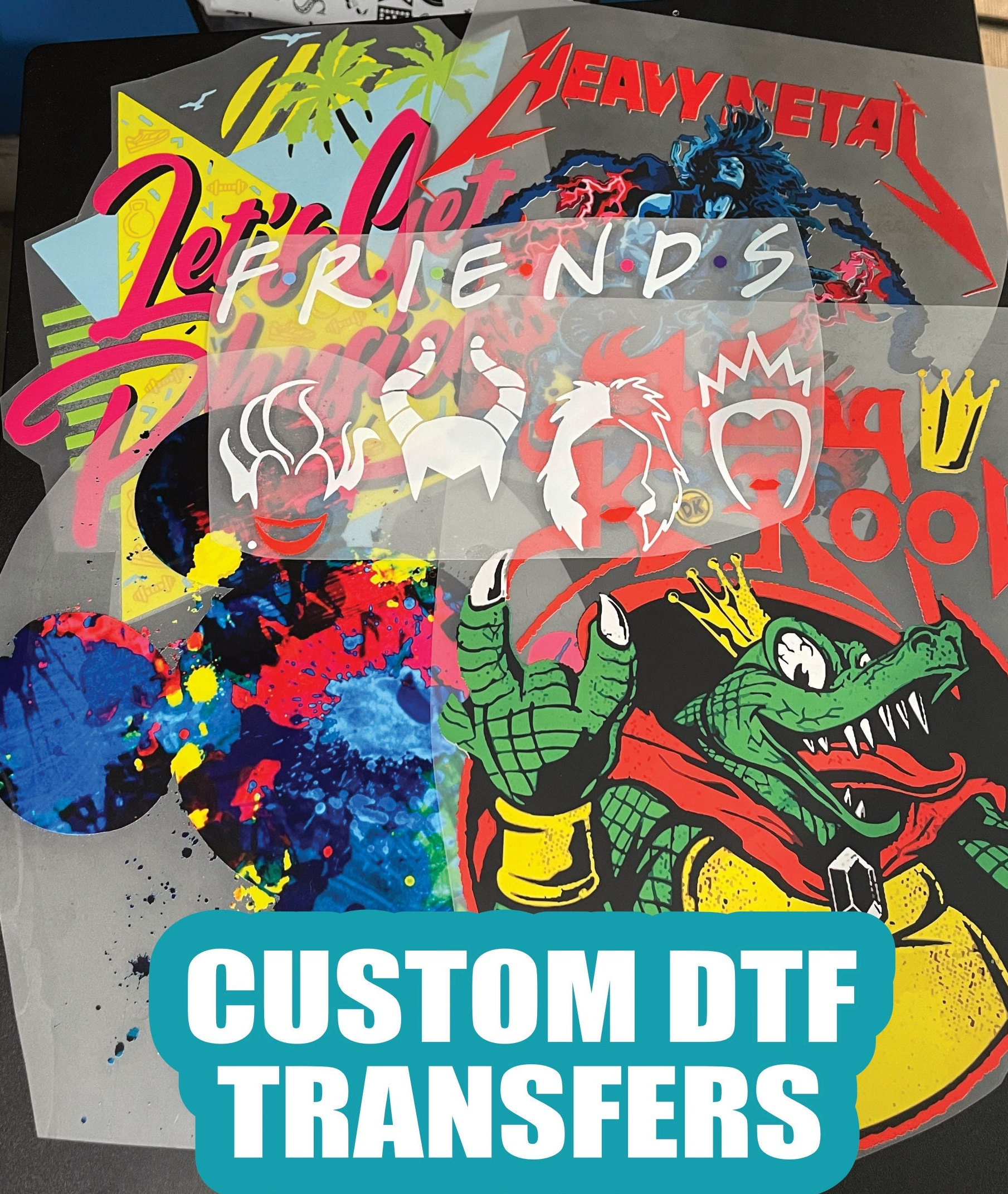
Are you interested in DTF transfers and their transformative effect on the printing industry? DTF transfers, or Direct-to-Film printing, are gaining popularity among entrepreneurs seeking to create custom printed textiles. This innovative technique allows for vibrant designs to be printed on a special film that can then be heat-pressed onto various fabrics, offering both flexibility and quality. With the rise of print on demand services, DTF technology is making it easier than ever for businesses to provide unique, high-quality apparel that stands out in a crowded market. Whether you’re a small business owner or a creative hobbyist, understanding DTF transfers can empower you to elevate your projects with ease and precision.
Exploring the world of Direct-to-Film printing means tapping into a revolutionary method for textile customization. Known for its efficiency and high-quality output, this approach allows creators to craft eye-catching designs that can be seamlessly applied to numerous fabric types. As the demand for personalized apparel continues to grow, custom transfers are becoming a staple for entrepreneurs looking to enhance their product lines. DTF technology not only streamlines the printing process but also opens up new avenues for creativity in the apparel market. Embracing this cutting-edge method can set your business apart and offer customers breathtaking designs they can't resist.
What is DTF Printing?
DTF printing, or Direct-to-Film printing, is a cutting-edge technology that allows artworks to be printed onto a special film, which can then be heat-transferred onto various fabrics. This method has risen in popularity within the custom printing industry due to its capacity for producing vivid, high-resolution designs that adhere well to textiles. Unlike traditional screen printing, which often requires extensive setup and is limited by the types of materials used, DTF printing offers greater versatility and efficiency, enabling users to print on materials like cotton, polyester, and blends alike.
Moreover, DTF technology is becoming increasingly accessible to small businesses and individual crafters. With just a printer, heat transfer press, and the right supplies, anyone can start producing custom transfers. The ability to create intricate designs with the vivid colors makes it an excellent option for custom apparel, accessories, and promotional items. For those looking to expand their services, DTF provides a cost-effective and efficient solution for on-demand printing needs.
Advantages of DTF Transfers in Custom Printing
One of the standout advantages of using DTF transfers in custom printing is the high-quality output. DTF printing produces images with excellent color vibrancy and detail, thanks to its use of high-quality inks and a unique transfer process that ensures the design retains its quality after application to fabric. This durability means creations can withstand washing and wear, making DTF transfers perfect for everyday apparel and promotional products.
Additionally, DTF printing is significantly more efficient than many traditional printing methods. It eliminates the need for multiple screens or print runs, which can save time and reduce costs. With the ability for quick turnaround times, especially evident in companies that have expanded their operational capacities, DTF transfers cater to the growing demands of customized apparel, making it an attractive solution for businesses looking to fulfill client orders without long wait times.
Industry Innovations in DTF Technology
The world of DTF printing is ever-evolving, with companies continuously innovating to improve processes and product quality. Recent advancements include automated printing systems that streamline the transfer creation process, enhancing operational efficiency. For example, Brother's latest DTF automation technology promises to optimize both DTF and direct-to-garment printing, providing printers with better control and higher output rates. These innovations aim to address the needs of businesses that require reliable and efficient solutions for high-volume printing.
Moreover, the introduction of new materials and inks tailored for DTF printing is further expanding the possibilities within the industry. Innovative products are being developed to enhance adhesion on various fabrics, thereby broadening the range of items that can utilize DTF transfers. As these technologies advance, printers can expect to see improvements in quality, efficiency, and versatility in their custom projects.
Getting Started with DTF Printing Equipment
Entering the realm of DTF printing requires an understanding of the essential equipment that forms the backbone of the process. High-quality DTF printers are crucial, as they are specifically designed to work with the unique film and ink formulations involved in this method. Additionally, investing in a reliable heat transfer press is necessary to ensure that the DTF transfers apply evenly and accurately to the fabric, avoiding complications such as bubbling or uneven adhesion.
When starting out, it's also wise to consider other necessary supplies, including DTF films, inks, and design software. Choosing the right materials will influence the final product's vibrancy, durability, and washability. Many resources, including online communities and tutorial videos, can guide newcomers through the entire setup process, helping them navigate equipment choices and tips to achieve successful prints from the start.
Exploring Custom Transfer Options with DTF
DTF printers are not just tools; they open new avenues for creativity and customization. Platforms specializing in DTF transfers are emerging to facilitate creators with specific needs, from small businesses to individual crafters. These platforms allow you to order custom transfers that can feature intricate designs, logos, or personalized messages, thus expanding your product offerings significantly without the burden of managing production.
Furthermore, the flexibility that DTF technology provides means that creators can produce low quantities of prints on demand, which is particularly beneficial for niche markets. Whether you're creating merchandise for an event, promotional products, or personalized items for customers, DTF transfers support a wide range of applications. This adaptability enables businesses to pivot their offerings based on consumer demand, minimizing waste and maximizing profitability.
The Future of DTF Technology in Printing
Looking ahead, the future of DTF printing appears bright as more companies recognize the benefits of this innovative technology. With ongoing improvements in print quality, efficiency, and material compatibility, DTF printing is positioned to take a more prominent role in the custom printing space. Businesses that invest in this technology now are likely to find themselves ahead of the curve as the demand for personalized and unique printed products continues to grow.
Moreover, as sustainable practices gain traction, DTF printing has the potential to adapt as companies seek environmentally friendly alternatives to traditional printing methods. With advancements in eco-friendly inks and substrates, DTF technology can contribute to a more sustainable printing industry, aligning with consumer demands for responsible manufacturing. The ongoing evolution of DTF printing will undoubtedly influence the landscape of custom printed textiles, providing exciting opportunities for both businesses and consumers alike.
Frequently Asked Questions
What are DTF transfers and how do they work?
DTF transfers, or Direct-to-Film transfers, involve printing designs onto a specially coated film. These printed films can then be heat-transferred onto various textiles, allowing for vibrant and intricate designs. This method is appreciated for its versatility across materials like cotton and polyester.
How does DTF printing compare to traditional printing methods?
DTF printing differs from traditional methods in its use of heat transfer technology and its ability to print directly onto a film. It provides higher quality prints with detailed colors and quick turnaround times, making it ideal for custom apparel and small business needs compared to direct-to-garment printing.
What are the benefits of using DTF technology for custom transfers?
DTF technology offers several benefits for custom transfers, including vibrant color reproduction, compatibility with a wide range of textiles, and the ability to print complex designs. It's particularly advantageous for small businesses looking to provide high-quality, on-demand printing solutions.
What equipment do I need to start DTF printing?
To start DTF printing, you'll need a DTF printer designed for this purpose, along with a heat transfer press for applying the prints onto fabrics. Additionally, quality inks and transfer films specific for DTF printing are essential for achieving the best results.
How can I ensure quality in my DTF transfers?
Quality in DTF transfers can be maximized by using high-quality printing equipment, proper transfer films, and the right ink type. Testing on different fabric types and maintaining consistent heat and pressure during application is crucial for success.
Are there any recent innovations in DTF printing technology?
Yes, recent innovations in DTF printing technology include automation advancements and enhanced printing capabilities introduced by companies like Brother. These innovations aim to improve efficiency and product quality, catering to the growing demand in the custom transfers market.
| Key Point | Details |
|---|---|
| What are DTF Transfers? | DTF transfers involve printing designs on a specially coated film that can then be transferred onto textiles using heat. |
| Who Uses DTF Transfers? | DTF printing is popular among small business owners and crafters because of its vibrant prints and versatility across materials. |
| Recent Industry Developments | Companies like EazyDTF are expanding capacity to meet demand, and Snuggle launched a service to produce up to 15,000 prints daily. |
| Innovations | New technologies, such as those from Brother, aim to enhance DTF printing efficiency and quality. |
| Getting Started with DTF Printing | Resources for education, equipment recommendations, and material experimentation are essential for success in DTF printing. |
Summary
DTF transfers represent a game-changing advancement in the textile printing industry, allowing for vibrant, high-quality prints that meet the needs of both hobbyists and professionals. As businesses invest in faster and more efficient production methods, DTF printing is becoming increasingly accessible and efficient. With a blend of the right equipment, educational resources, and experimental approaches to different materials, starting a journey into DTF transfers can lead to exciting new opportunities in custom textiles.