
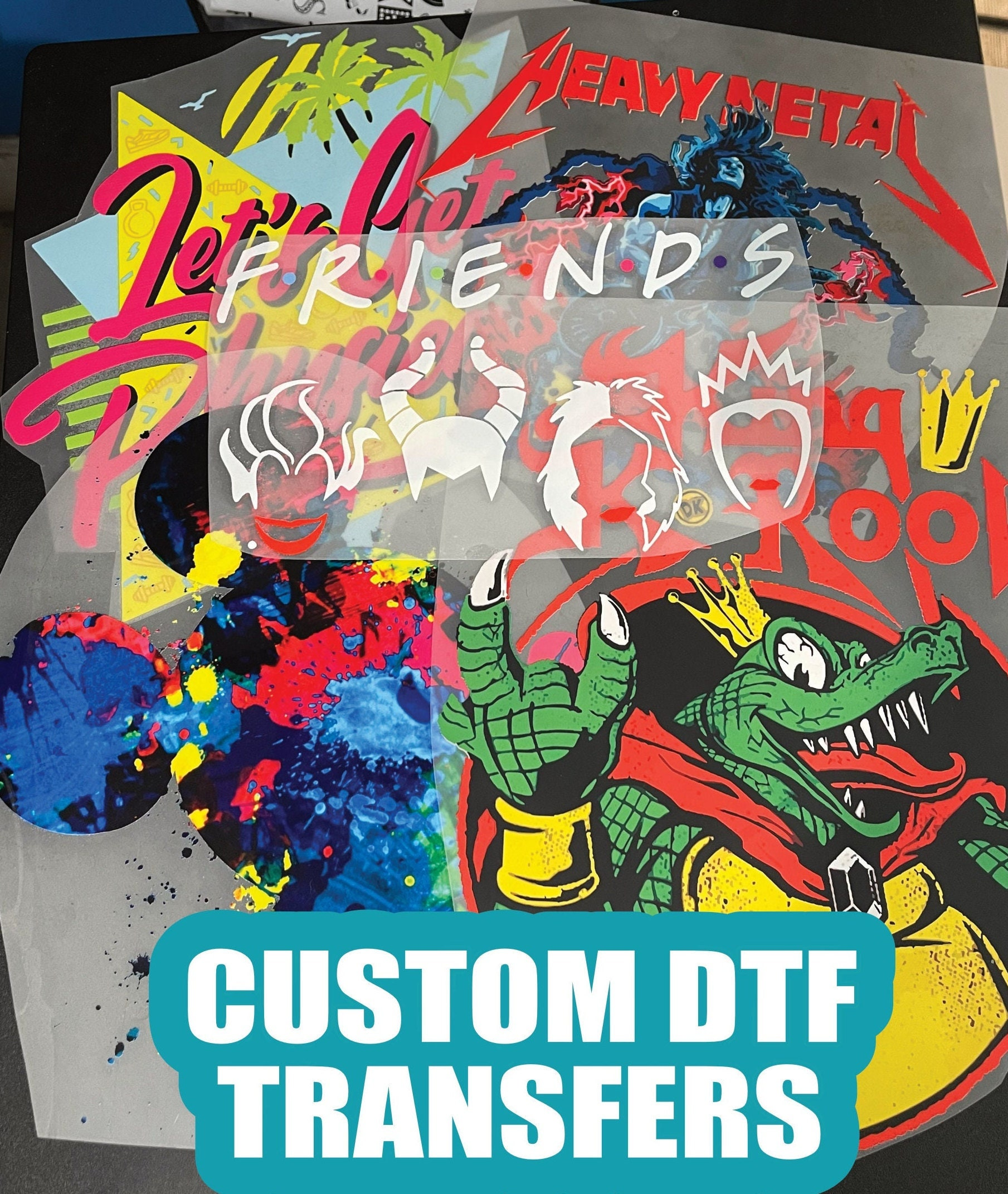
DTF transfers, or Direct to Film transfers, are transforming the landscape of custom garment printing by enabling high-quality designs to seamlessly transfer onto fabric. This innovative printing solution leverages advanced heat pressing techniques to ensure vibrant, detailed images are delivered consistently across various materials. As artists, businesses, and crafters seek versatile methods for showcasing their creativity, understanding DTF printing and its advantages, particularly when compared to sublimation, becomes increasingly important. The direct-to-film technology allows for stunning prints even on dark fabrics, catering to a wide array of textile applications. In this piece, we will explore the benefits, applications, and insights surrounding DTF transfers for those interested in elevating their printing projects.
Known as Direct-to-Film printing, DTF transfers serve as a cutting-edge method for transferring designs onto textiles and other substrates. This technique combines the best of traditional printing methods with modern advancements, facilitating high-quality impressions that are both durable and striking. With the ongoing debate surrounding sublimation vs. DTF, many are discovering the unique versatility this approach offers, particularly for custom garment applications. Utilizing direct-to-film technology not only expands the range of printable materials but also enhances the craftsmanship available to printers and creators alike. Let’s delve deeper into how this method is reshaping the industry and providing exciting possibilities for printing enthusiasts.
Understanding the Advantages of DTF Transfers
DTF transfers provide an exceptional advantage for those looking to produce custom designs for garments. Unlike traditional methods such as screen printing, DTF printing enables creators to print intricate and colorful designs onto a special film that adheres to various fabric types. This flexibility is essential, especially because it allows for vibrant prints on dark backgrounds, a significant limitation faced in other printing methods. Furthermore, with advancements in DTF technology, the durability and wash resistance of prints have also improved, making them suitable for long-term use in everyday apparel.
In addition to their versatility, DTF transfers are cost-effective, particularly for small businesses or home crafters venturing into custom garment printing. The setup costs are generally lower compared to sublimation techniques, which require specific polyester fabrics to achieve quality results. DTF's broad compatibility means entrepreneurs can diversify their offerings without substantial initial investments in diverse materials. By adopting DTF technology, businesses can meet the rising consumer demands for personalized products at competitive prices.
Exploring Effective Heat Pressing Techniques
Effective heat pressing techniques are integral to the success of DTF transfers, ensuring that designs bond properly with the substrate. A key factor in achieving high-quality results is choosing the right heat press machine. It's essential to select a press that can reach the necessary temperatures and maintain consistent pressure across the entire surface. Adjustability is vital; as different fabrics require varying heat and pressure settings to optimize adhesion and finish quality. Investing in a well-reviewed press can make a marked difference in the outcome of your DTF projects.
Once the right equipment is in place, mastering temperature and time settings is crucial. DTF transfers are generally pressed at temperatures between 320°F and 350°F for approximately 10-15 seconds. However, variations may exist based on substrate thickness and composition. Conducting tests on scrap materials can help refine these settings for perfect application. A common pitfall involves applying too much or too little pressure, which can affect adhesion; thus, understanding how to adjust pressure settings based on the fabric type is essential for flawless results.
The Rising Popularity of DTF Printing
DTF printing has recently gained traction within the custom printing industry, offering a unique blend of quality and efficiency. Businesses are increasingly opting for DTF transfers due to their fast turnaround times and ability to produce high-volume orders without compromising on detail. Many printing companies have begun expanding their services to include DTF, responding to consumer trends demanding both speed and creative design options. This shift indicates a broader acceptance of DTF as part of the mainstream fabric printing arsenal.
Emerging brands in the DTF space are pushing the boundaries of traditional printing with innovative solutions and wide-format DTF printers. Companies like Eazydtf are setting benchmarks with advanced equipment capable of same-day shipping on custom orders. Such capabilities not only reflect the growing demand but also enhance operational effectiveness for businesses reliant on quick service. With new trade services offered, like those from Snuggle, commercial operations now have the support needed to scale their production while maintaining high quality.
Sublimation vs. DTF: A Comparative Analysis
When comparing sublimation and DTF printing, it's evident that each method has its distinct advantages and limitations. Sublimation works exceptionally well with synthetic fabrics, producing vibrant and long-lasting images, yet it is restricted to certain materials. In contrast, DTF technology excels across a wider array of fabrics, including cotton and polyester blends, making it highly versatile for custom garment printing. Such flexibility allows users to tackle diverse projects and cater to various customer preferences without being limited to specific textiles.
Another critical aspect to consider is the user experience in setting up and executing prints. Sublimation generally requires specialized equipment such as dye sublimation printers and specific ink types, whereas DTF simplifies this process by utilizing conventional inkjet printers. This accessibility leads many newcomers to the DTF landscape, providing an easier entry point into the world of custom printing. The ability to achieve professional results through DTF printing without extensive investments in complex machinery makes it an appealing choice for DIY designers and small business owners alike.
Best Practices for DTF Transfer Application
To achieve optimal results with DTF transfers, employing best practices during application is vital. A thorough understanding of the cooling and peeling processes can significantly affect the final product's appearance and durability. After the heat press has efficiently set the transfer, waiting for it to cool slightly before peeling ensures that the adhesive properly binds to the fabric. Depending on the specific type of DTF material, the peeling can either be cold or warm; hence, it's essential to follow manufacturer recommendations for the best outcomes.
Additionally, users should routinely evaluate their heat press settings based on the unique requirements of their projects. It’s advisable to keep test scraps nearby to fine-tune the temperature, time, and pressure settings before moving on to the final applications. This methodical approach can prevent common issues such as lifting or cracking and ensures that each transfer maintains its integrity through multiple washes. By consistently applying these best practices, both hobbyists and professionals can enhance their DTF printing capabilities.
Frequently Asked Questions
What are DTF transfers and how do they work?
DTF transfers, or Direct to Film transfers, involve printing designs onto a special film that can be applied to fabrics using heat and pressure. This method allows for high-quality prints on various materials, including those with dark backgrounds, making it ideal for custom garment printing.
How do heat pressing techniques impact the quality of DTF transfers?
Heat pressing techniques are crucial for achieving optimum results with DTF transfers. Proper temperature settings between 320°F and 350°F and ensuring even pressure during application can significantly enhance the adhesion and vibrancy of the printed design.
What is the difference between DTF printing and sublimation printing?
While both DTF printing and sublimation are popular printing methods, the main difference lies in their fabric compatibility. DTF printing allows for printing on a wider variety of fabrics, including dark and non-synthetic materials, whereas sublimation works best with light-colored, polyester fabrics.
What types of fabrics can be used with DTF transfers?
DTF transfers can be applied to a broad range of fabrics, including cotton, polyester, blends, and even some types of nylon. This versatility makes DTF printing a great option for custom garment printing across different materials.
How do I choose the right heat press for DTF transfers?
When selecting a heat press for DTF transfers, consider features like adjustable temperature and pressure settings, a reliable heat source, and the size of the press to fit your production needs. Investing in a quality machine is essential for achieving the best results.
Can I use DTF transfers for small business printing projects?
Yes, DTF transfers are particularly well-suited for small business printing projects. They are cost-effective, easy to use, and allow for quick production of high-quality designs, making them an excellent choice for entrepreneurs and crafters looking to customize garments.
| Key Points | Description |
|---|---|
| Introduction to DTF Transfers | DTF (Direct to Film) transfers allow vibrant, intricate designs to be printed onto various fabrics using heat and pressure. |
| Advantages of DTF Transfers | Prints on dark fabrics, versatile across materials, and suitable for small businesses. |
| Recent Developments | Expansion of DTF printing services, new trade services like Snuggle, and educational initiatives by companies like GJS. |
| Heat Pressing Techniques | Proper heat press, temperature settings (320°F-350°F), and even pressure are critical for successful DTF application. |
| Benefits of DTF Transfers | Versatile, easy to use, and more cost-effective than traditional methods. |
Summary
DTF transfers have emerged as a revolutionary asset in the printing industry, allowing for high-quality prints on various fabrics. As demand for customized products increases, the significance of mastering DTF techniques becomes paramount. Businesses and hobbyists alike benefit from the flexibility and efficiency that DTF printing offers. The advancements within the realm of DTF technology, alongside effective heat pressing methods, position it as an optimal choice for innovative printing solutions. By harnessing these developments, creators can enhance their offerings and ensure satisfaction in a constantly evolving market.