
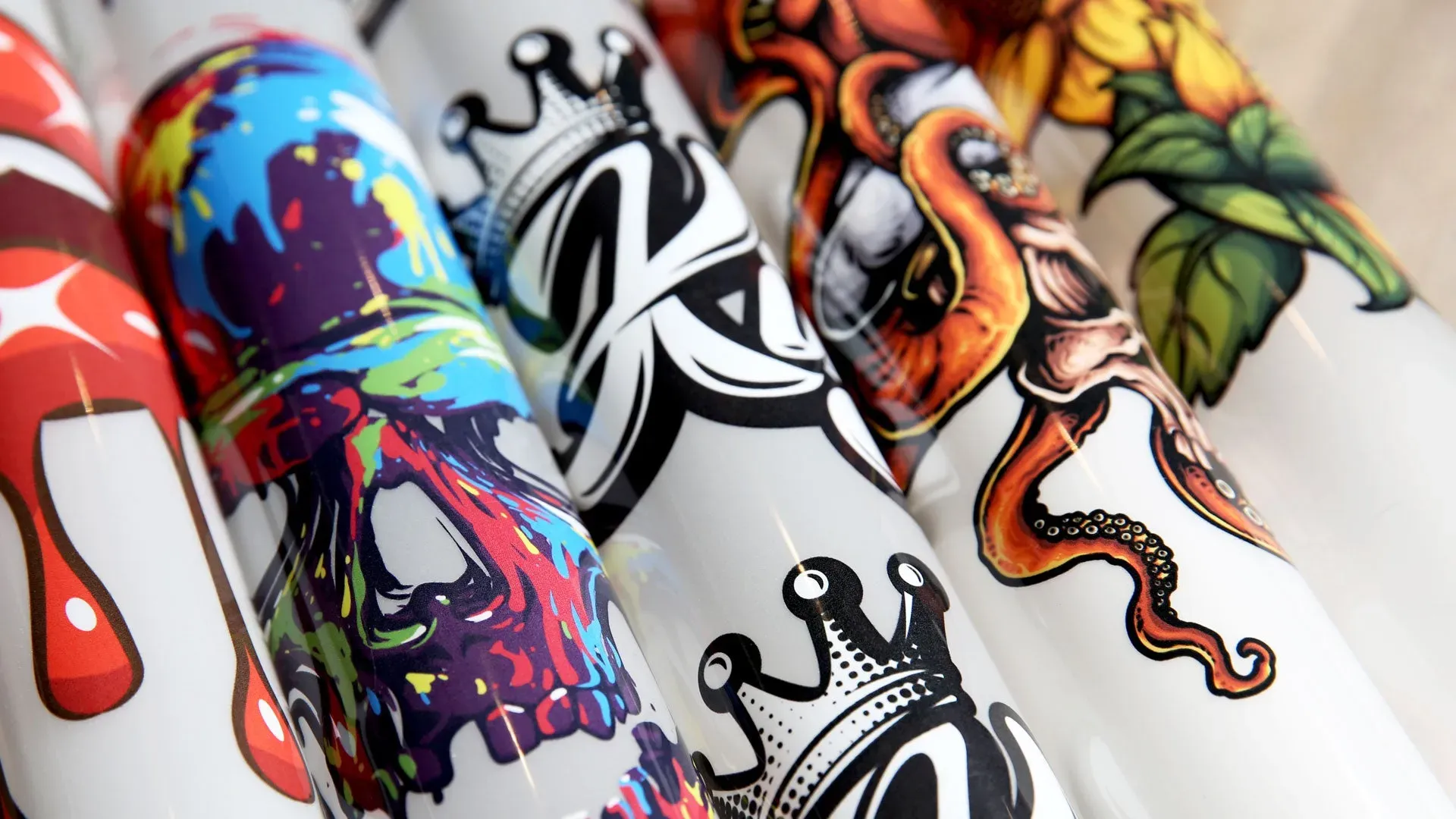
DTF transfers, or Direct-to-Film transfers, are a game changer in the world of digital printing, particularly for textile applications. This innovative method allows for the creation of vibrant and detailed designs that adhere seamlessly to fabrics, opening up a world of customization for businesses and hobbyists alike. In our guide, we will dive deep into the essential aspects of DTF transfers, including the necessary equipment, high-quality transfer materials, and effective DTF printing techniques. Whether you're just starting or looking to enhance your skills, understanding how to use DTF transfers can significantly elevate your printing projects. Join us on this exploration of DTF transfers and discover the potential for stunning, personalized apparel and accessories.
Direct-to-Film printing offers a modern approach to garment decoration, utilizing specialized film and adhesives to transfer intricate designs onto a variety of fabrics. This advanced technique not only surpasses traditional methods like screen printing in versatility but also in efficiency, making it ideal for both small businesses and individual creators. As we delve into the fundamentals of this innovative printing method, from selecting the right print equipment to understanding the necessary materials, you'll gain the insights needed to master the DTF process. By embracing DTF technology, users can unlock limitless opportunities for creative expression in custom apparel production. Explore with us how to navigate the exciting realm of film transfers and take your printing capabilities to the next level.
Understanding DTF Printing: Revolutionizing Textile Design
DTF printing, or Direct-to-Film printing, represents a significant advancement in digital textile printing technology. This process allows for bright, intricate designs to be printed directly onto a special film, which can then be heat pressed onto various types of fabrics. One of the most appealing aspects of DTF printing is its versatility; it works well on cotton, polyester, and blended fabrics, making it suitable for a wide array of apparel and product types. Unlike traditional printing methods, DTF printing minimizes setup time and enables faster production runs, catering to the needs of modern businesses and creative ventures alike.
One of the key features of DTF printing is its ability to produce rich color palettes and detailed graphics, a significant advantage for brands aiming to stand out in a competitive market. With the right DTF transfer equipment and materials at hand, users can create high-quality prints that not only show impeccable detail but also possess great durability against wear and washing. This enhanced quality ensures that finished products maintain their aesthetic appeal even after multiple uses, reinforcing brand reputation and customer satisfaction.
Essential Equipment for Successful DTF Transfers
To harness the full potential of DTF transfers, the right equipment is indispensable. Primarily, this involves a specialized DTF printer capable of using unique DTF inks designed for this method. Popular choices among users include modified Epson printers, which are known for their reliability and quality output. It is essential to ensure your printer settings align with the DTF film specifications to achieve the best results, ensuring your designs are printed accurately and vibrantly.
In addition to the printer, a reliable heat press forms the cornerstone of the DTF process. This device applies the necessary heat and pressure to successfully transfer the designs from film to fabric. Adjustable settings for temperature and pressure are crucial, with a typical range being 320°F to 330°F. Investing in high-quality transfer papers and adhesives also plays a critical role in ensuring that the designs remain intact and vibrant after the transfer, cementing the quality of your final products.
Choosing the Right DTF Transfer Materials
The success of your DTF printing project heavily relies on the quality of the materials used. DTF inks are specially formulated to maintain saturation and resilience once transferred to fabric, ensuring striking color fidelity and longevity. Selecting high-quality inks can make a substantial difference in the final product, allowing for vivid prints that are resistant to fading even after multiple washes. When sourcing DTF transfer materials, it’s imperative to prioritize compatibility with your chosen equipment for optimal performance.
Alongside quality inks, the type of DTF films and adhesive powders used also warrants significant attention. DTF films tailored for this printing technique enable seamless transfer and adherence once subjected to heat. Opting for high-grade adhesive powders is equally important, as they act as crucial enhancers for the transfer process, ensuring that designs stick perfectly to the fabric. By investing in superior materials, you can elevate your DTF transfers, leading to professionally finished garments.
Mastering DTF Printing Techniques for Stunning Results
Successful DTF printing demands a familiarity with various techniques that affect the outcome of your designs. The process begins with the careful selection and creation of digital artwork, ensuring it is optimized for print. Using graphic design software, you should set dimensions accurately to match the final product specifications. Once your design is established, the DTF printer utilizes specific settings to print it effectively onto the transfer film, ensuring that colors are vibrant and true to the original artwork.
After printing, the application of adhesive powder is a critical step. It is essential to sprinkle or shake the adhesive onto wet ink before curing it under a heat source. This technique helps prepare the design for heat transfer, ensuring adhesion quality. When the time comes to utilize the heat press, positioning your DTF film accurately on the fabric is vital, as is the application of the right temperature and pressure settings. Mastering these techniques will ensure consistent, high-quality results with every transfer.
Latest Innovations in DTF Printing Technology
The DTF printing industry is experiencing rapid innovation, enhancing the possibilities for businesses and creative entrepreneurs. Recent advancements include more cost-effective DTF transfer equipment, allowing small businesses to adopt this technology without breaking the bank. Entry-level machines capable of delivering quality prints are now available, democratizing access to garment decoration. This accessibility encourages more individuals to explore DTF printing as a viable business opportunity.
Moreover, ongoing research into DTF inks and materials is yielding formulations that provide better color vibrancy and durability over time. Advanced types of films and powders are designed to enhance the user experience and to produce results that exceed traditional printing methods. These developments ensure that those who invest in DTF printing can create high-quality apparel that withstands the test of time, solidifying their place in a competitive marketplace.
How to Use DTF Transfers: A Step-by-Step Guide
Using DTF transfers effectively involves a straightforward yet precise process. Initially, it starts with designing your artwork, where attention to detail in graphics and setup is paramount. After creating the artwork on your design software, you will proceed to print it onto the specialized DTF film using the DTF printer. Careful calibration of printer settings ensures that colors and designs come out as intended, setting the stage for a successful transfer.
Following the printing step, the next stage involves applying the adhesive powder to the wet ink. This step is crucial as it prepares the design for its heat-transfer phase. Once the adhesive has been cured, you can position the transfer on your fabric with the ink side facing down. The heat press is then employed to bond the design with the material, followed by peeling the film away post-pressing, revealing the finished product. By following these steps meticulously, users can achieve stunning DTF prints ready for wear and display.
Frequently Asked Questions
What are DTF transfers and how do they work?
DTF transfers, or Direct-to-Film transfers, involve printing vibrant designs onto a specialized film that is then transferred onto fabrics using heat and pressure. The DTF printing process allows for high-resolution images and is particularly effective for textile applications.
What equipment do I need for DTF printing?
To start DTF printing, you'll need specific DTF transfer equipment including a dedicated DTF printer able to handle specialized inks, a heat press with adjustable settings, DTF film for printing, and adhesive powder to ensure proper adherence of the designs to fabrics.
What materials are essential for successful DTF transfers?
Essential materials for DTF transfers include high-quality DTF inks formulated for vibrant colors, compatible transfer films, and various types of adhesive powders tailored for different fabric types, all of which contribute to the quality of the final printed design.
How do I apply DTF transfers to fabrics?
To apply DTF transfers, print your design on DTF film, apply adhesive powder to the wet ink, then use a heat press to transfer the design onto the fabric. Ensure that the correct temperature (around 320°F to 330°F) and pressure settings are used for the best results.
What are the latest developments in DTF printing technology?
Recent advancements in DTF printing include cost-effective entry-level equipment, improvements in ink and film formulations for enhanced color vibrancy and durability, and an expanding market that makes this technology accessible for small businesses and creative entrepreneurs.
How do I use DTF transfers effectively in my projects?
To use DTF transfers effectively, focus on selecting high-quality DTF transfer materials, mastering the printing technique, and ensuring you have the right equipment. Stay updated on best practices and innovations in DTF printing to continuously improve your garment decoration projects.
| Key Point | Details |
|---|---|
| What is DTF Printing? | A method that prints vibrant images onto film for transfer to fabrics using heat and pressure, offering versatility and speed compared to traditional printing methods. |
| Essential Equipment | Includes a DTF printer, heat press, DTF film, and adhesive powder. |
| Materials Needed | High-quality DTF inks, compatible transfer films, and adhesive powders suitable for fabrics. |
| DTF Process Step-by-Step | 1. Printing the design onto DTF film, 2. Applying adhesive powder, 3. Transferring the design to fabric with heat press. |
| Latest Developments | Cost-effective equipment options and improvements in ink and film quality enhance vibrancy and durability. |
Summary
DTF transfers are transforming the realm of garment decoration by providing an accessible method for creating high-quality, customized apparel. Whether you're a business owner looking to expand your product offerings or an individual passionate about DIY fashion, understanding the essentials of DTF transfers—from the necessary equipment and materials to the specific techniques involved—will equip you for success. By leveraging the capabilities of DTF transfers, you can produce vivid designs that are not only eye-catching but also durable, opening up new avenues for creativity and expression in the fashion world.