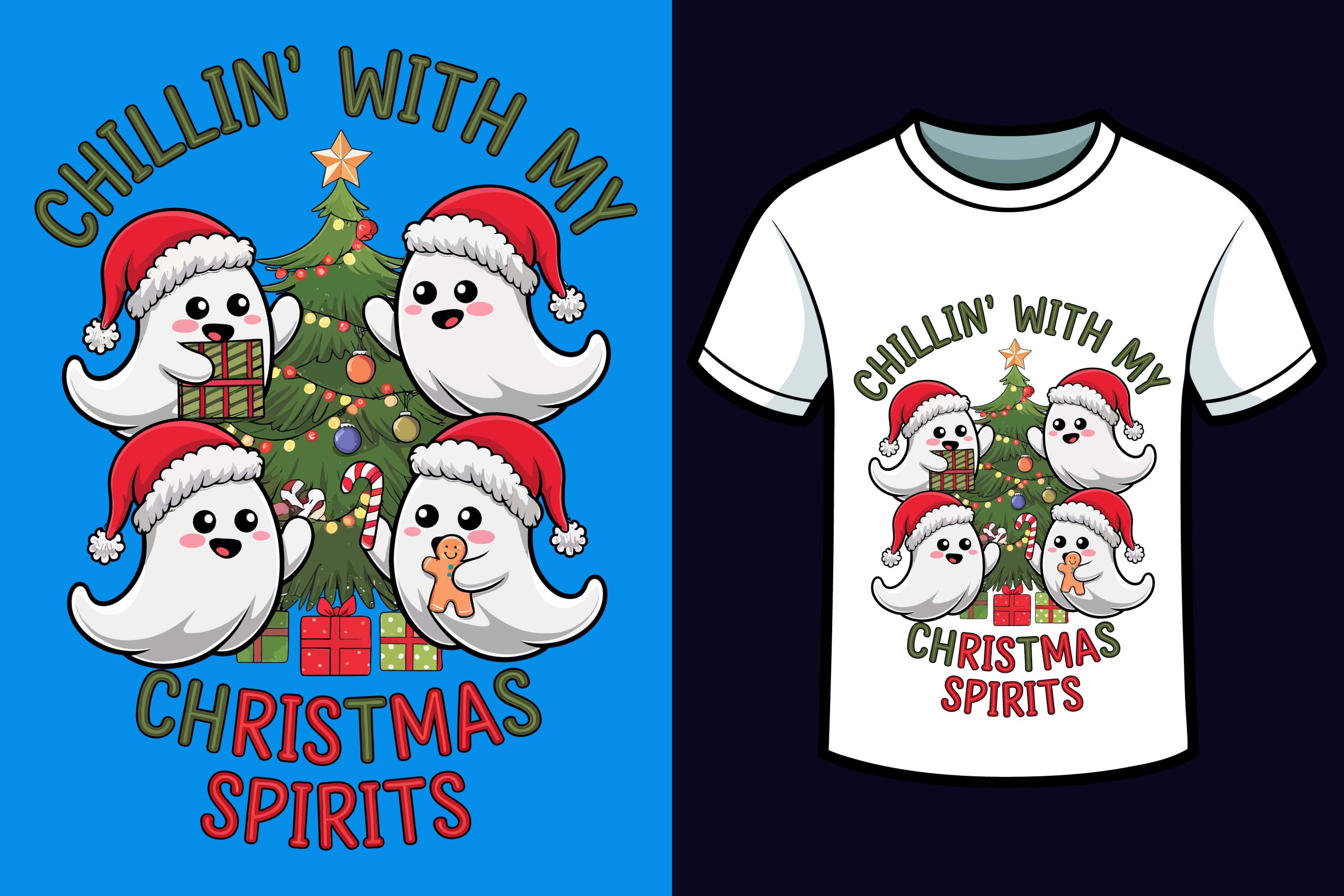
DTF transfers, standing for Direct-to-Film transfers, have revolutionized the world of garment decoration with their exceptional ability to deliver detailed and vibrant prints. These advanced transfers provide an excellent canvas for creative expression, making them a favorite among both DIY enthusiasts and professional printers. However, to truly enjoy the stunning visuals of your DTF designs for longer, you must focus on maximizing DTF durability. Proper care is paramount, especially when it comes to washing DTF prints, ironing
DTF transfers, and drying DTF garments to prevent premature wear. By incorporating thoughtful techniques into your maintenance routine, you can preserve your printed items’ brilliance and extend their lifespan significantly.
Direct-to-Film (DTF) transfers are gaining traction in the apparel industry, celebrated for their stunning print quality and reliability. Also referred to as film transfer printing, this technique utilizes a special film to deliver intricate designs onto fabrics, offering a feasible solution for custom designs. While these methods provide a gateway to expert-level garment decoration, it’s essential to understand the nuances of caring for such prints to ensure their longevity. Key factors include effective washing of printed fabrics, ironing techniques tailored to film transfers, and appropriate drying methods. By exploring the best practices associated with DTF transfers, you can achieve and maintain the vibrant appeal of your garments.
Maximizing DTF Durability Through Washing Techniques
To maintain the vibrancy and integrity of your DTF transfers, prioritizing the washing process is essential. Washing your DTF-printed garments inside out significantly reduces the risk of abrasions during the wash cycle, which could damage the printed surface. By using cold water to clean your garments, you not only preserve the colors but also prevent any adhesive degradation that hot water could cause. Implementing these simple washing techniques can substantially extend the lifespan of your DTF prints.
Additionally, selecting a gentle wash cycle is crucial in the maintenance of DTF transfers. High agitation in washing machines can impose undue stress on the transfers, causing potential peeling or fading. Therefore, it's recommended to treat DTF garments with the same care as delicate fabrics—opting for lower settings can mean the difference between preserving a stunning design or watching it deteriorate with each wash.
Best Practices for Drying DTF Printed Garments
Drying is another critical aspect of caring for DTF transfers. Air drying is the safest method and is highly recommended to maintain the shape and quality of the transfer. This method not only avoids exposing your prints to damaging heat but also minimizes the risk of warping the design. By simply hanging or laying the garments flat to dry, you are investing in their longevity.
If you find air drying impractical and must resort to using a dryer, ensure to set it on a low-heat cycle. Excessive heat during drying can weaken the adhesive that holds the transfer to the fabric, making it susceptible to peeling or cracking. By exercising care during the drying process, you can help maintain the integrity and appearance of your DTF-printed items.
Ironing Guidelines to Protect DTF Transfers
Ironing DTF prints can be daunting, but taking a few precautions can ensure they remain in pristine condition. Always set your iron to a low temperature when working with DTF transfers. High heat can adversely affect the designs, causing melting or separation from the fabric. Using protective layers such as a thin cloth while ironing provides an extra barrier between the iron and the transfer, safeguarding its quality.
Moreover, it’s crucial to avoid steam functions, as moisture can disrupt the adhesive capabilities of the transfers. By following these ironing guidelines, you can smooth out wrinkles without compromising the integrity or aesthetic appeal of your DTF designs.
Storage Solutions to Maintain DTF Transfer Quality
Proper storage is essential for preserving the quality of DTF transfers. To avoid creases that can damage the print, it’s advisable to store these garments flat rather than folded. This method protects the transfer from unnecessary pressure and wear, ensuring that your designs remain unblemished.
It is also vital to keep DTF garments out of direct sunlight. Prolonged sun exposure significantly fades colors and can weaken the adhesive properties over time. Storing your garments in a cool, dark place can help maintain their vibrant colors and durability, extending the life of your DTF transfers.
Investing in Quality Materials for DTF Transfers
The longevity and durability of DTF prints are directly influenced by the quality of materials used during the printing process. Investing in high-quality transfer films ensures better adhesion and print longevity, which is essential for vibrant and detailed designs. It’s important to choose reputable brands that are known for their reliability, as this can make a significant difference in the overall quality of your prints.
Additionally, using top-notch inks and fabrics can elevate the performance of your DTF transfers. Quality materials not only enhance the visual appeal of the prints but also contribute to their resilience against washing and wearing. By prioritizing high-quality products, you can achieve beautiful, lasting results with your DTF printed garments.
Regular Maintenance Checks for DTF Printed Items
Regular maintenance is key to ensuring the longevity of your DTF transfers. Conducting post-wash inspections allows you to check for any signs of wear or damage early on. Minor issues, if caught in time, can often be resolved without compromising the integrity of the print. This proactive approach can significantly prolong the life of your DTF items.
Moreover, staying informed about industry advancements is crucial. Following reputable sources and publications dedicated to garment printing can enhance your knowledge of best practices and new technologies that improve the durability of DTF transfers. By being engaged and informed, you can implement the latest strategies to care for your DTF prints effectively.
Frequently Asked Questions
What are the best washing practices for DTF transfers?
To maximize the durability of DTF transfers, wash your garments inside out in cold water on a gentle cycle. This prevents abrasion and fading. Avoid using hot water, as it can lead to peeling and damage to the print.
How can I effectively dry DTF garments to maintain their quality?
For drying DTF garments, air drying is the recommended method as it helps maintain their shape and prevents damage from high heat. If using a dryer, set it to a low heat to avoid harming the transfer's adhesive.
What should I do if I need to iron my DTF prints?
When ironing DTF transfers, use a low temperature setting and place a thin cloth over the print to protect it from direct heat. Avoid steam, as it can compromise the integrity of the adhesive.
What storage techniques can help extend the life of my DTF printed garments?
Store DTF garments flat rather than folded to prevent creases and damage to the prints. Additionally, keep them away from direct sunlight to avoid fading and weakening of the adhesive properties.
How can I check for wear on my DTF transfers after washing?
After washing your DTF printed items, inspect them for any signs of wear or damage. Catching issues early can help you take necessary actions to maintain the quality and extend the life of your DTF transfers.
Why is the quality of materials important for DTF transfer durability?
Using high-quality transfer films and inks significantly impacts the durability and performance of DTF prints. Investing in reputable brands ensures better adhesion and resilience against washing and wear.
| Key Points |
Details |
| Understanding DTF Transfers |
DTF transfers involve printing designs on a film that is heat-pressed onto fabric, known for producing detailed and vibrant prints. |
| Washing Instructions |
1. Turn inside out to protect the print; 2. Use cold water; 3. Select a gentle washing cycle. |
| Drying Techniques |
1. Prefer air drying to avoid heat; 2. If using a dryer, apply low heat. |
| Ironing Guidelines |
1. Use low temperature; 2. Cover with cloth when ironing; 3. Avoid steam. |
| Storage Recommendations |
1. Store flat to prevent creases; 2. Avoid sunlight to maintain vibrancy. |
| Quality Products |
Invest in high-quality transfer films and inks to enhance durability. |
| Regular Maintenance |
1. Inspect after washing for wear; 2. Stay updated on best practices. |
| Recent Findings |
Studies show that high-temperature washes can damage DTF prints, highlighting the importance of proper care. |
Summary
DTF transfers represent a remarkable option for personalized garment decoration that, if properly maintained, can yield vibrant and lasting designs. To maximize the durability of your DTF transfers, it is vital to adhere to specific care tips such as washing garments inside out, using cold water, and storing items flat to prevent creases. These steps will not only preserve the aesthetic of your printed items but also extend their lifespan, allowing you to enjoy beautifully decorated fabrics for years. Investing time in proper care ensures that your DTF transfers remain resilient against daily wear and tear, making them a reliable choice for both businesses and DIY enthusiasts alike.