
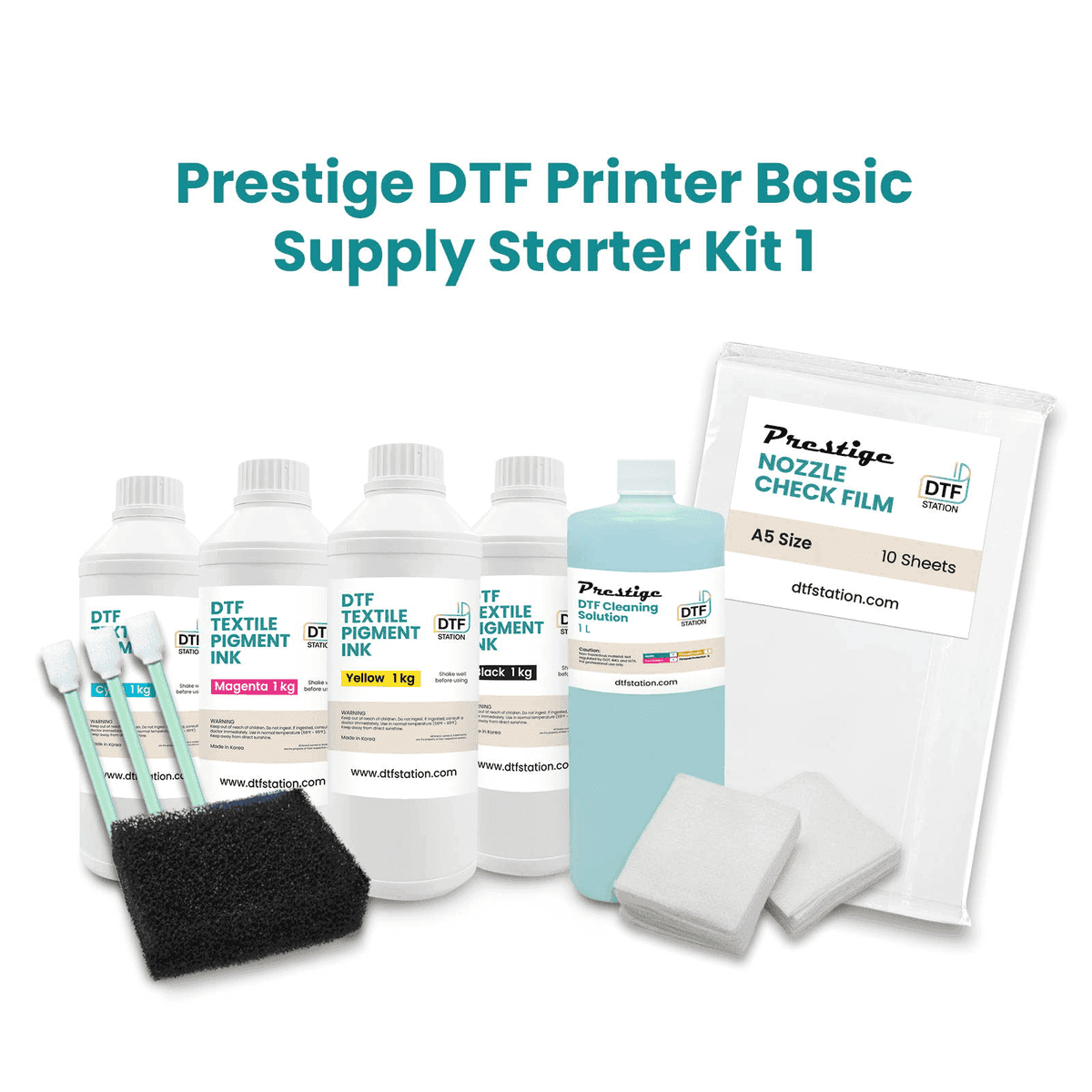
DTF supplies are at the forefront of a new printing revolution, transforming the textile printing experience with their versatility and high-quality output. In the realm of DTF printing, having the right materials is crucial, as they directly impact print quality and durability. Newcomers to this innovative method will find that investing in essential equipment such as a DTF printer, quality inks, and transfer film can significantly enhance their projects. Additionally, understanding the complete range of heat transfer supplies like adhesive powder and heat press machines can streamline the process, ensuring vibrant and lasting prints. This blog post will guide you through the essentials of DTF supplies and provide valuable beginner DTF tips to kickstart your printing journey.
The process of Direct to Film printing has gained immense popularity, especially among enthusiasts who wish to create stunning apparel designs. With the right tools and knowledge of the necessary supplies, even beginners can achieve impressive results in this field. This article aims to unravel the intricacies of DTF resources, including printers tailored for specific needs, inks that bring designs to life, and various heat application techniques. Knowing how to leverage the right materials effectively can lead to prints that not only capture attention but also stand the test of time. Join us as we navigate through essential recommendations to help you master your DTF printing adventures.
Understanding the Basics of DTF Printing
Direct to Film (DTF) printing is an innovative technology that streamlines the process of transferring vibrant designs onto fabrics. This method involves printing intricate graphics onto a specialized film, which is then heat-pressed onto textiles. With its ability to create eye-catching prints on much more varied surfaces than traditional methods, DTF provides a flexible and advantageous solution for designers and businesses alike. The impressive versatility of DTF ensures it can cater to different fabric types, including cotton, polyester, and blends, making it a go-to choice for many.
The outstanding color vibrancy afforded by DTF printing is another reason why it's rapidly gaining popularity in the textile printing industry. The technique supports a broad color spectrum, resulting in striking designs that don’t fade or crack easily. Unlike screen printing, which can be limited by color availability and fabric types, DTF allows for a more seamless and colorful approach to textile decoration, enhancing the visual appeal of various products.
Essential Supplies for DTF Printing Beginners
Venturing into DTF printing requires a few essential supplies to ensure a successful start. The most vital piece of equipment is the DTF printer, typically a modified inkjet printer designed to handle the unique requirements of this printing technique. Selecting a quality DTF printer will significantly impact the overall print quality. Opt for a printer with good reviews, as its performance can directly affect color vibrancy and image resolution.
In addition to the printer, ensure you have high-quality DTF inks. These specialized inks are crucial for achieving the bright colors and long-lasting effects that DTF printing promises. Alongside this, acquiring durable transfer films that can withstand high temperatures is vital, as they allow for effective transfers. Also, don't overlook adhesive powder; it plays a critical role in ensuring your prints adhere well during the heat transfer process.
Perfecting Your Printer Settings for Optimal Results
For successful DTF printing, configuring your printer settings is essential for achieving stunning prints. Start by setting your printer to the highest resolution possible—this ensures designs are crisp and clear. In addition, adjusting ink density according to the fabric type can make a significant difference in the final output, enhancing overall print quality and vibrancy.
Media type configuration is another critical aspect to focus on. Ensuring that you select the correct media profile for your DTF film not only improves the print quality but can also enhance the adhesion of the ink to the film. Taking the time to fine-tune these settings can greatly influence the success of your printing efforts.
Design Creation Tips for Stunning DTF Prints
Creating captivating designs is an exciting part of the DTF process. To achieve the best results, it is imperative to work with high-resolution images. Ideally, designs should be created at 300 DPI to avoid any pixelation when printed. This resolution ensures that the fine details and vibrant colors remain sharp and appealing.
Moreover, the choice of software is vital; tools such as Adobe Illustrator or CorelDRAW are excellent for creating vector graphics, which can be resized without losing quality. When selecting colors, keep in mind how the base fabric may influence the overall appearance. This knowledge can help you make informed decisions and create visually stunning designs that will stand out.
Mastering the Heat Transfer Process in DTF
The heat transfer application process is a pivotal stage in DTF printing, where the printed design is effectively transferred to the fabric. Start by preheating your heat press to the correct temperature, typically between 320°F to 350°F (160°C to 180°C). This step is crucial. Proper temperature settings affect how well the design adheres to the fabric.
Next, understand the pressure settings needed for different materials. Some fabrics require light pressure, while others may need heavier pressure for optimal adhesion. Timing is also critical; transferring generally takes about 10 to 15 seconds. Always remember to allow the transfer to cool before peeling the film, as this can significantly affect the durability and appearance of your finished product.
Caring for Your DTF Printed Items to Ensure Longevity
Once your DTF prints are complete, taking proper care of the items will significantly prolong their lifespan. When laundering DTF-printed textiles, it is advisable to wash them in cold water. This practice helps to maintain the integrity of the print, preventing fading and preserving colors over time. Additionally, steer clear of bleach and harsh detergents, as these can damage the print.
Regarding drying, air drying is the gentlest method, but if using a dryer, opt for a low heat setting. High heat can affect the bond between the print and the fabric, risking damage. By implementing these care practices, your DTF prints will remain vibrant and impressive, demonstrating the durability of DTF printing technology.
Frequently Asked Questions
What are the essential DTF supplies needed for successful DTF printing?
To successfully engage in DTF printing, you will need several essential supplies, including a quality DTF printer, specialized DTF inks, transfer film, adhesive powder, and a reliable heat press machine. Each of these components plays a vital role in ensuring vibrant and durable prints on your chosen fabric.
How can I ensure high print quality when using DTF supplies?
To maintain high print quality with DTF supplies, start by setting your DTF printer to the highest resolution, typically 300 DPI. Adjust ink density based on fabric type and select the correct media profile for your printing tasks. Additionally, using high-quality DTF inks and transfer film will also enhance overall print quality.
What beginner tips should I follow when using DTF supplies for the first time?
As a beginner in DTF printing, focus on understanding your printer settings—particularly resolution and media type. Start with high-resolution images, utilize the right software for design creation, and experiment with the adhesive powder application. Engaging with community resources and tutorials can also provide valuable insights.
Can I use any heat press machine with my DTF supplies?
While you can technically use any heat press machine for your DTF supplies, it's crucial to ensure that it can reach appropriate temperatures (between 320°F to 350°F) and apply sufficient pressure for effective transfers. Choosing a reliable heat press will significantly impact the adhesion and durability of your DTF prints.
Is it important to follow care instructions for DTF prints, and why?
Yes, following care instructions for DTF prints is essential for preserving print quality and longevity. Washing in cold water, avoiding bleach, and air-drying help prevent fading, cracking, or peeling, ensuring that your vibrant prints last longer and maintain their look.
What advantages does DTF printing offer compared to traditional heat transfer methods?
DTF printing offers several advantages over traditional heat transfer methods, including greater versatility on various fabric types, vibrant color reproduction, and heightened durability. DTF prints are less prone to cracking or fading, making them ideal for high-quality, long-lasting apparel.
| Key Points | Details |
|---|---|
| What is DTF Printing? | A printing method that uses specialized transfer film to apply high-quality, versatile, and durable prints to various fabrics. |
| Essential Supplies | 1. DTF Printer: A modified inkjet printer is recommended for quality prints. 2. High-Quality DTF Inks: Ensure vibrant and consistent colors. 3. Transfer Film: Must withstand high temperatures for effective transfers. 4. Adhesive Powder: Crucial for ink adhesion during heat transfer. 5. Heat Press Machine: Essential for transferring designs onto fabric. |
| Printer Settings | Key adjustments include setting the highest resolution, experimenting with ink density, and selecting the correct media type in printer settings. |
| Design Creation Tips | 1. Use high-resolution designs (300 DPI recommended). 2. Utilize software like Adobe Illustrator or CorelDRAW. 3. Choose colors based on fabric to ensure aesthetic appeal. |
| Application Process | 1. Preheat heat press to 320°F - 350°F. 2. Adjust pressure based on fabric. 3. Transfer time: 10-15 seconds. 4. Let transfer cool before peeling. |
| Care Instructions | Wash in cold water, avoid bleach; air dry or low heat tumble dry to preserve print. |
| Community Engagement | Join online forums, follow social media groups, and watch YouTube tutorials for advice and insights. |
Summary
DTF supplies play a crucial role in the quality and success of your printing endeavors. By understanding the components you need, such as the DTF printer, high-quality inks, and proper application techniques, you position yourself to thrive in the ever-evolving textile printing industry. Mastering these elements not only enhances your creative output but also ensures that the prints you produce are durable and vibrant. As you delve into the world of DTF printing, remember to engage with the community for support and inspiration, allowing you to unlock the full potential of your DTF supplies and become a skilled practitioner in this exciting field.