
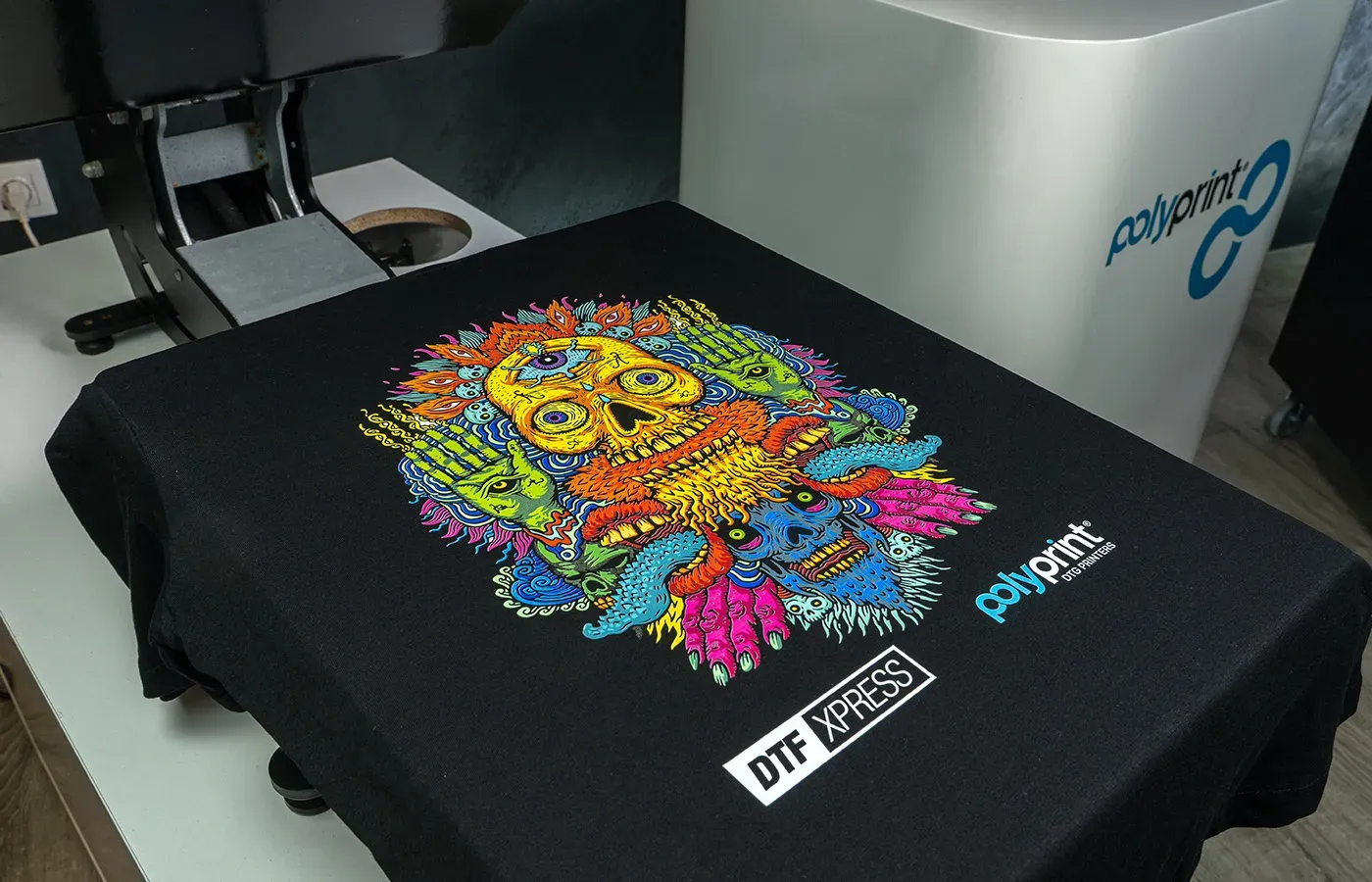
DTF printing, or Direct-to-Film printing, is revolutionizing the textile industry by offering a fast, versatile, and cost-effective solution for printing vibrant designs onto fabrics. This innovative technology allows for exceptional detail and rich color reproduction, making it ideal for both intricate graphics and large-scale designs. As more businesses recognize the advantages of DTF technology, they are poised to enhance their production processes while meeting the growing demand for personalized apparel. The shift toward more sustainable textile printing methods, coupled with the efficiency of DTF, underscores its rising popularity among textile and apparel manufacturers. By exploring the many DTF benefits, companies can position themselves for success in an increasingly competitive market.
Direct-to-Film printing, commonly known as DTF, represents a significant advancement in textile printing techniques. This method, which focuses on transferring designs from film directly onto fabric, stands out due to its ability to create high-resolution prints quickly and cost-effectively. The rise of DTF technology is mirrored by a similar demand for innovative solutions in the textile industry, where speed and quality are paramount. In this context, DTF printing offers a compelling alternative to traditional approaches such as screen printing and Direct-to-Garment (DTG) methods, ensuring that businesses can meet evolving consumer preferences and optimize their printing operations. With the numerous benefits it provides, DTF is set to become a staple for modern apparel makers.
Understanding DTF Technology and Its Mechanism
Direct-to-Film (DTF) technology is a revolutionary process designed to provide high-quality prints on various fabrics quickly and efficiently. The technological foundation of DTF printing involves printing designs onto a special transfer film, which is then applied to the intended textile using heat. This method stands out from traditional printing techniques due to its ability to produce vivid colors and intricate details without the need for extensive setups or drying times. As a result, businesses can cater to diverse creative needs, ranging from intricate logos to complex illustrations.
What makes DTF printing particularly compelling is its adaptability across different fabric types, including cotton, polyester, and blends. This versatility allows for a broad range of applications in the fashion and merchandising sectors. Additionally, DTF technology's capability to yield durable prints means that the designs can withstand multiple washes without significant fading, which is paramount for customer satisfaction in textile printing.
Exploring the Quality Benefits of DTF Printing
When evaluating printing methods, the quality of output is a crucial factor that can influence a business's reputation. DTF printing excels in producing high-resolution prints with remarkable color saturation and detail retention. Unlike traditional screen printing, which can sometimes produce less precise results, DTF technology ensures that even the smallest design elements are captured accurately, making it ideal for intricate artwork or logos.
Moreover, the advancements in ink formulation used in DTF processes further enhance the print's longevity and quality. These inks are designed to bond effectively with fabrics, minimizing wash wear and maintaining vibrancy over time. This level of quality not only fulfills customer expectations but also accelerates repeat business, as consumers tend to favor brands that provide consistently high-quality products.
Speed Advantages of DTF Printing in Textile Applications
In a world where speed is often synonymous with success, DTF printing emerges as a frontrunner due to its efficiency in production timelines. One of the primary benefits of DTF technology is its quick setup process. Unlike traditional methods that call for complex preparation and drying phases, DTF minimizes these steps, allowing businesses to print and ship orders much faster.
This increased speed caters exceptionally well to the growing trend of on-demand printing, where customers expect rapid fulfillment. Businesses that adopt DTF technology are likely to experience enhanced workflow efficiencies, enabling them to take on more orders and meet tight deadlines without compromising quality. This competitive edge can significantly boost profits and customer satisfaction, particularly in a fast-paced market.
Economic Benefits of Choosing DTF Printing
Cost-effectiveness is a significant advantage driving businesses toward DTF printing. With lower initial investment costs compared to traditional methods like screen printing, DTF technology is becoming more accessible to startups and small businesses. This democratization of printing allows manufacturers to compete more effectively while maintaining financial viability.
Additionally, DTF printing supports an on-demand model that drastically reduces material waste. Companies can produce only the amount required for specific orders, leading to lower storage needs and less risk of unsold inventory. Furthermore, innovations in DTF equipment and materials have resulted in reduced costs for printers, making it easier for new businesses to enter the textile printing market.
Key Trends Shaping the Future of DTF Printing
The DTF printing sector is experiencing rapid growth fueled by evolving consumer preferences for personalized and unique textile products. As customization continues to be a dominant trend, more companies are embracing DTF technology to meet these demands. The ability to print on-demand with minimal setup time aligns perfectly with the shift towards bespoke fashion and merchandise.
Another significant trend encompasses the integration of digital workflows with DTF processes. Collaborations between printing technology manufacturers and software developers are streamlining design and production management, allowing businesses to operate more efficiently. Embracing these technological advancements ensures that brands remain competitive while enhancing their service delivery in a fast-evolving industry.
The Sustainability Factor in DTF Printing
As sustainability becomes a central focus across various industries, DTF printing is positioned as an environmentally friendly option in textile processing. Traditional textile printing methods often generate significant waste and consume large volumes of water, while DTF technology minimizes these environmental impacts. By producing only the necessary quantities of printed materials, DTF helps reduce excess inventory and waste.
Furthermore, advances in water-based inks and eco-friendly transfer films used in DTF printing contribute to lower ecological footprints. Businesses adopting DTF methods not only meet consumer demands for sustainable products but also reinforce their commitment to environmental stewardship, ensuring long-term viability in a competitive market.
Frequently Asked Questions
What are the main benefits of DTF printing in the textile industry?
The main benefits of Direct-to-Film (DTF) printing include exceptional print quality, faster turnaround times, and cost-effectiveness. DTF technology allows for vibrant colors and intricate details, enabling businesses to produce high-quality apparel quickly and economically.
How does DTF printing compare to traditional textile printing methods?
DTF printing outperforms traditional methods like screen printing and DTG in several ways: it offers faster setup times, reduced waste through on-demand production, and lower initial costs, making it ideal for businesses looking to enhance efficiency and profitability.
Is DTF printing suitable for personalized apparel?
Yes, DTF printing is highly suitable for personalized apparel. Its ability to print detailed designs quickly and cost-effectively allows businesses to cater to a wide variety of customization requests, making it a top choice for personalized items.
What advancements in DTF technology have improved print quality?
Recent advancements in DTF technology include improved ink formulations that enhance durability and wash resistance, allowing prints to maintain their vibrancy and detail over time. This increases the overall quality and longevity of DTF printed garments.
Can small businesses benefit from investing in DTF printing technology?
Absolutely! DTF printing is particularly beneficial for small businesses due to its lower setup costs and on-demand printing capabilities. This means smaller enterprises can produce high-quality prints without the need for extensive inventory, reducing waste and operational costs.
How has the market demand for DTF printing evolved recently?
The market demand for DTF printing has significantly increased, driven by consumer interest in personalized products. Innovations and collaborations in the industry are further enhancing digital workflows and the overall efficiency of DTF processes, solidifying its position in the textile market.
| Key Points | Description |
|---|---|
| Quality | DTF printing delivers exceptional print quality with sharp details and vibrant colors, improving durability and wash resistance. |
| Speed | The technology allows for faster turnaround times, significantly reducing production times by up to 50% compared to traditional methods. |
| Cost-Effectiveness | Lower initial setup costs and on-demand capability minimize waste, making DTF affordable for small and medium-sized enterprises. |
| Industry Trends | Growing consumer demand for personalized products is propelling DTF technology into more businesses, with ongoing innovations enhancing efficiency. |
Summary
DTF printing is revolutionizing the textile industry by providing unparalleled benefits, including high-quality prints, swift production times, and cost-effective solutions. As businesses look to optimize their operations and meet the demands of the market efficiently, embracing DTF printing stands out as a strategic move. This innovative printing method not only enhances the quality of printed designs but also facilitates rapid fulfillment, making it ideal for the ever-evolving e-commerce landscape. As the technology and its integration with digital workflows continue to advance, DTF printing is set to play a crucial role in shaping the future of apparel decoration and printing applications.