
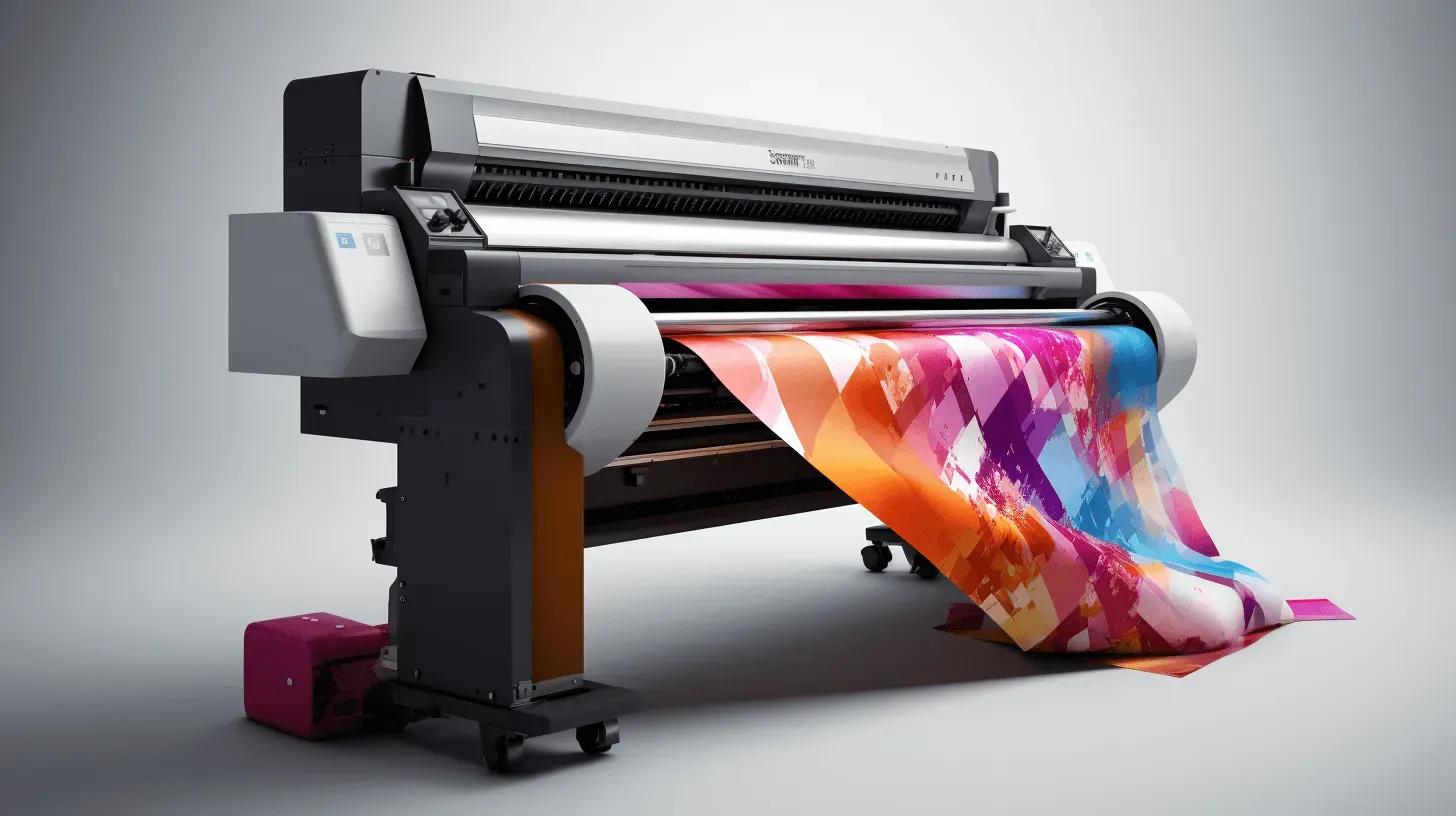
DTF printing, short for Direct-to-Film printing, is revolutionizing the world of custom apparel printing with its innovative and efficient approach. This modern printing technique allows intricate designs to be seamlessly transferred onto various fabrics, resulting in vibrant and durable prints that stand out. Understanding how DTF printing works can unlock a new dimension in customization, benefiting both creators and consumers alike. The DTF printing process is notable for its versatility, making it ideal for everything from t-shirts to promotional items, showcasing high-quality outputs that last. Coupled with the advantages of DTF printing, such as affordability and adaptability, this method is quickly becoming a favorite for businesses aiming to make an impact in the competitive clothing market.
Often referred to as Direct-to-Film technology, this advanced printing solution harnesses a unique transfer method to achieve stunning results on textiles. By utilizing a specialized film and heat application, designers can create custom prints that elevate the aesthetic of any garment. The intricacies of this innovative technique delve into the specifics of how DTF printing works, providing an insight into the step-by-step process that ensures superior outcomes. The benefits associated with DTF printing, including its ability to produce intricate, long-lasting designs, position it as a leading choice in the realm of fabric personalization. As interest in custom apparel printing continues to rise, understanding the nuances of this method will be essential for anyone looking to stay ahead in the fashion and promotional industries.
Understanding DTF Printing: A Modern Technique
DTF printing, or Direct-to-Film printing, represents a significant advancement in the custom printing domain. The method leverages digitally created designs that are transferred onto a specially treated film. This film is then applied to various substrates, notably fabrics, using heat and pressure, which allow for vibrant colors and intricate details to shine through. It’s a fascinating blend of technology and artistry, making it an appealing choice for businesses looking to make an impression with customized apparel.
Rather than traditional methods like screen printing, DTF printing eliminates many of the time-consuming steps involved in setup and execution. Businesses can harness this technology to create personalized items quickly and efficiently. As such, DTF printing serves not just the needs of fashion designers but also caters well to promotional companies wanting to enhance their offerings.
The Step-by-Step DTF Printing Process Explained
Understanding how DTF printing works is essential for anyone interested in customizing apparel or other textiles. The process begins with design creation, where users utilize sophisticated graphic design software to articulate their vision. Once the design is set, it’s printed onto a unique film in reverse, ensuring the print transfers effectively onto the material. This crucial initial step sets the foundation for a successful DTF print.
Next, a special adhesive powder is applied to the wet ink before curing it with heat. This dual step guarantees that the print adheres firmly to fabric when the film is pressed onto the garment. Once the heat is applied, the moment of anticipation arrives—the film peels away to reveal a stunning design on the fabric, illustrating why DTF printing is rapidly becoming a go-to method for custom apparel.
Advantages of DTF Printing Over Traditional Methods
The benefits of DTF printing are numerous, making it an attractive option for various industries. First and foremost, the versatility of DTF prints allows for customization across diverse fabric types, including cotton and polyester, accommodating different customer needs. This adaptability is increasingly crucial in a market where consumers are seeking unique and personalized products.
Furthermore, the high-quality output of DTF printing cannot be overstated. Prints are vibrant and detailed, ensuring they withstand multiple washes without fading—a critical aspect for customers looking for longevity in custom apparel. Cost-effectiveness is another significant advantage, particularly for lower production runs, making DTF printing an economical choice for startups and small businesses.
Recent Developments in DTF Printing Technology
The landscape of DTF printing is continuously evolving, with recent advancements focusing on both efficiency and sustainability. Innovative ink formulas are being created that not only enhance the vibrancy and durability of prints but also adhere to eco-friendly practices. As businesses become more environmentally conscious, these developments are vital in maintaining appeal in a competitive market.
Moreover, the DTF printing sector is witnessing increased usage in on-demand services, allowing businesses to offer personalized products with minimal overhead. The ongoing exploration of biodegradable inks relates directly to a shifting consumer preference towards sustainable goods, demonstrating how DTF printing technology is adapting to meet modern demands.
Custom Apparel Printing: The Role of DTF Printing
Custom apparel printing has become a significant market segment, and DTF printing plays a pivotal role in this trend. The demand for unique clothing items—ranging from t-shirts to hoodies—has surged, and DTF printing caters to this growing need efficiently. With its ability to deliver detailed designs quickly, it supports businesses in delivering on customer expectations for personalized apparel.
Additionally, custom apparel using DTF printing allows for short turnaround times, which is crucial for timely delivery in industries like fashion and merchandising. As more companies recognize the benefits of direct-to-film technology, we can expect a continued increase in its adoption across various sectors.
Exploring the Market Growth of DTF Printing
The DTF printing market has experienced rapid growth, with a significant increase in the number of businesses investing in this technology. Market reports indicate that the versatility and efficiency of DTF printing are key driving factors. As more companies try to customize their offerings, this technology provides a streamlined solution that fits within a variety of operational frameworks.
Furthermore, the economic scalability of DTF printing means that even small businesses can compete with larger entities by offering custom products at competitive prices. This democratization of print technology opens the door for more players in the market, fostering a diverse range of products available to consumers.
Frequently Asked Questions
What is DTF printing and how does it work?
DTF printing, or Direct-to-Film printing, is a modern printing technique that transfers high-quality designs from a coated film onto fabrics using heat and pressure. The process begins with creating a digital design, which is printed onto special transfer film using DTF printers. Adhesive powder is then applied, and after curing, the film is heat-pressed onto the desired garment, resulting in vibrant, long-lasting prints.
What are the advantages of DTF printing compared to other methods?
The advantages of DTF printing include its versatility in printing on various fabrics like cotton and polyester, the ability to produce high-quality, detailed designs, and cost-effectiveness for small to medium production runs. This makes DTF printing a preferred choice for custom apparel printing and promotional items.
Can DTF printing be used on all types of fabrics?
Yes, DTF printing can be used on a wide variety of fabrics, including cotton, polyester, and blends. This compatibility makes the DTF printing process highly versatile for custom apparel and promotional products, allowing for creative designs to be applied to almost any material.
How does the DTF printing process ensure durability of prints?
The durability of prints in the DTF printing process is achieved through a carefully crafted procedure where adhesive powder is applied and cured. After the design is heated onto the garment, some processes include a final curing step that enhances longevity, ensuring that prints are resistant to washing and fading.
What is the significance of the adhesive in the DTF printing process?
The adhesive in the DTF printing process is crucial for bonding the printed design to the fabric. After printing, an adhesive powder is applied, which melts during the heat transfer process to ensure a strong and durable attachment of the ink to the substrate, resulting in vibrant and lasting designs.
What recent advancements are being made in DTF printing technology?
Recent advancements in DTF printing technology focus on improving ink formulations for better durability and vibrancy, including eco-friendly and biodegradable inks. These developments aim to reduce environmental impact and enhance the capabilities of DTF printing, making it increasingly appealing for businesses looking to offer custom printing solutions.
| Key Points | Details |
|---|---|
| Overview of DTF Printing | DTF printing is a modern technique that transfers designs from coated film onto various materials using heat and pressure. |
| Step 1: Design Creation | Craft a digital design using graphic design software, tailored to specific customer needs. |
| Step 2: Film Printing | Print the design in reverse onto a special transfer film using water-based pigment inks. |
| Step 3: Applying Adhesive Powder | Sprinkle adhesive powder onto the wet ink using a shaker machine for even distribution. |
| Step 4: Curing the Adhesive | Pass the film through a heat source to melt the adhesive powder and ensure a strong bond. |
| Step 5: Transfer to Garment | Position the film on the garment and use a heat press to apply heat and pressure. |
| Step 6: Peeling the Film | Carefully remove the film to reveal the vibrant design on the garment. |
| Step 7: Final Curing (Optional) | Incorporate a second curing step to enhance durability and resistance to washing. |
| Advantages of DTF Printing | Versatile on different fabrics, offers high-quality prints, and is cost-effective for small production runs. |
| Recent Developments | Advancements include better ink formulations and a focus on sustainability in the industry. |
Summary
DTF printing is an innovative method that allows creators to produce vibrant and durable prints on various materials efficiently. By transferring designs from specially coated films, this technique not only ensures high-quality results but also opens the door to customization possibilities that cater to diverse consumer preferences. As DTF printing technology continues to evolve, it promises greater sustainability and versatility, making it a preferred choice for businesses seeking to enhance their branding and product offerings.