
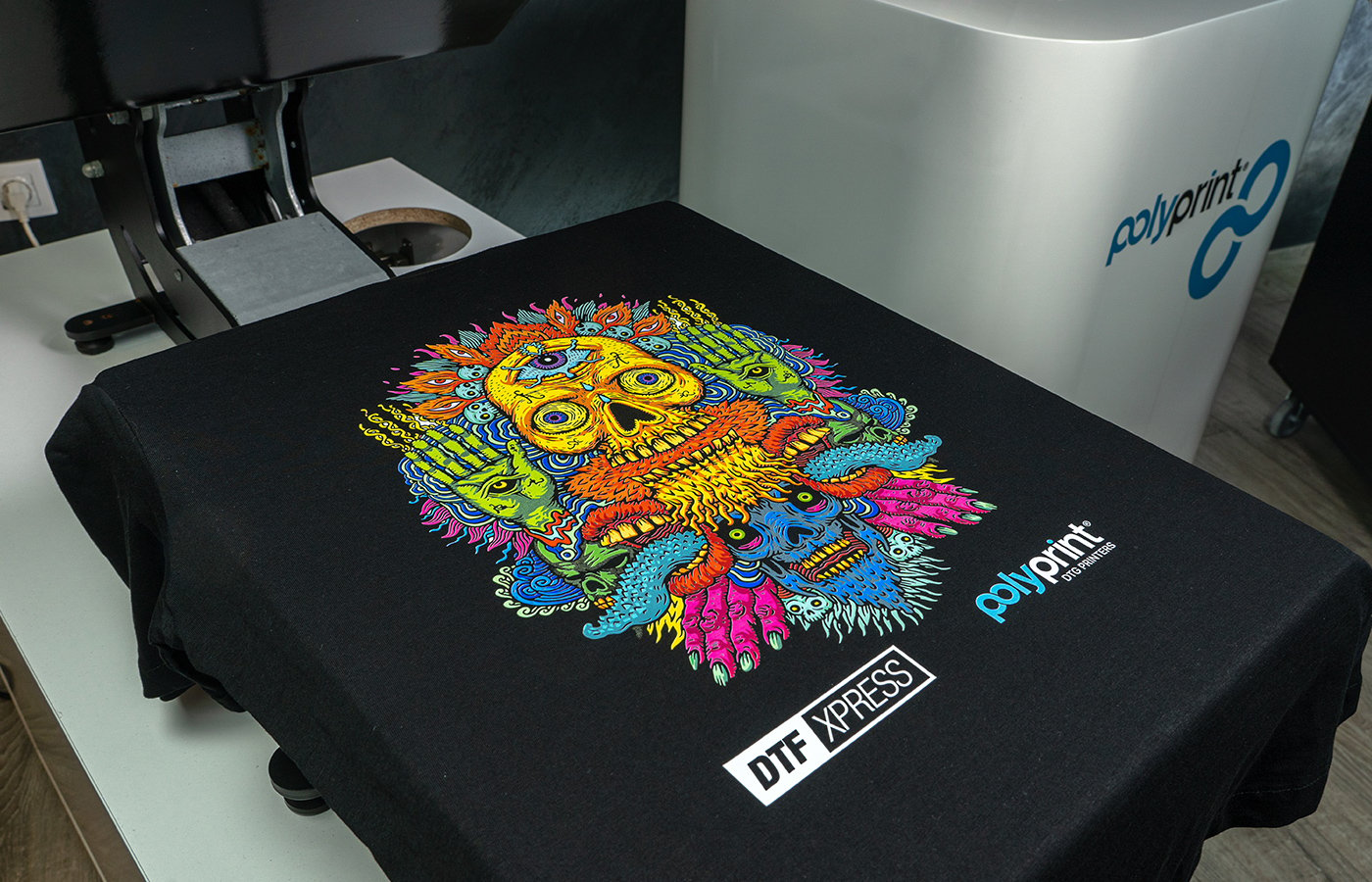
DTF printing, or Direct-to-Film printing, has emerged as a game-changer in the world of fabric printing, capturing the interest of both novices and experienced professionals. This modern technique allows users to achieve vibrant and detailed prints on various textiles, making it an appealing option for custom apparel and striking designs. In this guide, we will share valuable DTF printing tips to help beginners navigate the process seamlessly. From selecting the right DTF printing equipment to understanding how to DTF print effectively, this introduction aims to set you on the right path. Whether you're just starting DTF printing or looking to refine your skills, we've got you covered with insights to elevate your projects.
The world of fabric printing is continually evolving, and one of the most innovative methods today is film transfer printing, often known as DTF printing. This approach not only allows for exceptional color accuracy but also caters to a wide range of materials and styles, making it a preferred choice for both beginners and seasoned artists. By learning about the essential techniques and equipment needed for success in this versatile field, you can easily enhance your printing capabilities. Understanding how to create designs using this advanced printing method can put you ahead in your craft, whether it’s for personal projects or professional applications. Join us as we explore the intricacies of DTF printing and help you unlock new creative avenues!
Getting Started with DTF Printing: Essential Tips for Beginners
Beginner DTF printing can seem daunting, but with the right approach, you can simplify the learning curve. Start by understanding the core components of the DTF printing process, which include selecting the right printer, heat press, and inks. Investing in a quality printer, like those from reputable brands such as Epson or Brother, is crucial as these models are designed specifically for high-quality DTF prints. You should also focus on familiarizing yourself with the DTF workflow, which begins with design creation and ends with the application of prints on fabric.
Additionally, consider practicing with various fabrics to see how DTF prints hold up and which materials best suit your designs. Each fabric reacts differently to DTF printing, so testing your designs beforehand can help avoid costly mistakes. By limiting your focus to a few types of fabrics initially, you can master the nuances of each, from cotton to polyester blends, boosting your confidence and skill as you progress in your DTF printing journey.
Choosing the Right DTF Printing Equipment
Selecting the appropriate DTF printing equipment is critical to achieving high-quality results. The most vital components include an inkjet printer compatible with DTF inks, a reliable heat press, and high-quality transfer film. When evaluating printers, look for one that can handle vibrant colors effectively, as this will significantly impact your final print quality. Be sure to read reviews and consider recommendations from other printing professionals to find the best match for your needs.
In addition to the printer, a heat press with adjustable temperature and pressure settings is essential for successful transfers. Ensuring even heat distribution and pressure control can prevent problems like poor adhesion or damage to the fabric. As you prepare to start DTF printing, invest in high-quality supplies, including DTF-specific inks and transfer films designed for optimal performance. These initial investments pave the way for impressive prints and a smoother printing experience.
Designing Artwork for DTF Printing
Effective artwork design is foundational to the success of your DTF printing project. Utilize graphic design software such as Adobe Photoshop or Illustrator to create your designs, paying attention to the scale, color scheme, and resolution to ensure they fit the desired final output. DTF printing allows for a wide color gamut, so do not hesitate to experiment with rich colors and bold graphics that can capture attention. Remember, the key is to create captivating designs that will translate well onto fabric.
A crucial step in preparing your artwork for DTF printing is to print your designs in reverse. This process ensures that when applied to the fabric, the print will read correctly. Additionally, consider the layering technique; designs that incorporate multiple colors or elements may require extra attention to how those pieces align and adhere during the transfer process. By focusing on artwork design, you set the stage for a successful final product.
Mastering the DTF Printing Process: Step by Step
To achieve stunning results in your DTF printing endeavors, mastering the printing process is essential. The steps involved, starting from printing the design on the DTF transfer film to applying it on fabric, require precision and attention to detail. Make sure your printer settings are optimized for DTF printing to avoid issues such as misalignment or color inaccuracies. After printing, an essential step is to apply adhesive powder while the ink is still wet, as this creates strong adhesion during the heat transfer.
Post-printing, you will need to cure the adhesive powder with a heat gun to achieve the best results. Proper curing is vital, as it ensures the powder melts properly and bonds with the ink before the transfer to fabric. Once the design is prepared, follow the heat application guidelines carefully: preheat the fabric, set the heat press to the appropriate temperature, and apply for the recommended duration. Each of these steps is crucial in ensuring that the final product is not just visually appealing but also durable.
Troubleshooting Common DTF Printing Issues
Even as you familiarize yourself with DTF printing, it is wise to be prepared for common challenges that may arise throughout the process. From smudging to incomplete transfers, troubleshooting is part of ensuring consistent quality in your prints. Many issues can be traced back to printer settings; double-check your resolution and color profiles prior to beginning a print job. Regular maintenance of your printer, including cleaning the nozzles, can greatly reduce printing complications.
Another frequent issue stems from heat and pressure settings during application. Improper calibration can lead to designs that do not adhere correctly or fabrics that become damaged. Familiarize yourself with the specific requirements of each fabric and adjust time and pressure settings accordingly. Documenting past projects—including successful techniques and strategies that fell short—can provide you with insights for future prints, so troubleshooting becomes a learning opportunity.
Resources for Advancing Your DTF Printing Skills
To further enhance your DTF printing expertise, there are numerous resources available for beginners looking to expand their knowledge. Online communities and forums, such as Facebook groups or specialized Reddit threads, offer a plethora of real-world experiences and advice from seasoned users. This peer support can be particularly beneficial as you navigate challenges and seek solutions, making your journey in DTF printing more enjoyable and less isolated.
Additionally, video tutorials are an excellent tool for visual learners. Platforms like YouTube host a variety of DTF printing tutorials that cover everything from basic techniques to advanced tips that help refine your skills. Following along with expert demonstrations can facilitate a smoother learning process as you gain new insights into the DTF printing workflow. By tapping into these resources, you can continuously elevate your printing skills and adapt to trends within the industry.
Frequently Asked Questions
What are the essential DTF printing tips for beginners?
Beginners in DTF printing should focus on understanding the entire printing workflow, choosing high-quality equipment like printers and heat presses, and selecting the right transfer films and inks. It’s also crucial to familiarize yourself with pre-press preparations, including printer settings and artwork design. Consistent practice and experimentation will help you improve your DTF printing skills.
How do I start DTF printing as a beginner?
To start DTF printing, first, invest in an inkjet printer compatible with DTF inks and a reliable heat press. Gather high-quality transfer films and specially formulated DTF inks. Familiarize yourself with the printing process, including designing artwork, printing in reverse, and applying heat for transfers. Following these steps will set a solid foundation for your DTF printing journey.
What DTF printing equipment do I need to begin?
To begin DTF printing, you'll need an inkjet printer that supports DTF inks, a heat press with adjustable settings, high-quality DTF transfer films, and DTF-specific inks. Having a heat gun for curing adhesive powder is also beneficial. Investing in reliable equipment ensures better print quality and results.
What are common challenges in beginner DTF printing, and how can I troubleshoot them?
Common challenges in beginner DTF printing include ink smudging, incomplete transfers, and fabric damage. To troubleshoot, ensure your printer settings are adjusted correctly, regularly clean the printer, and calibrate heat and pressure settings for the fabric type. Learning from each project will also help refine your technique.
What should I consider when designing artwork for DTF printing?
When designing artwork for DTF printing, use graphic design software to create vibrant designs. Remember to format your artwork properly and print it in reverse to ensure accurate transfer onto fabric. Choosing eye-catching colors and quality graphics will enhance the final print, capitalizing on DTF printing's excellent color reproduction.
Where can I find resources for learning more about DTF printing?
Resources for learning about DTF printing include online forums and communities on platforms like Facebook and Reddit, where experienced users share tips. Additionally, YouTube offers various video tutorials that guide you visually through DTF printing techniques, helping to clarify the process and improve your skills.
| Key Points | Details |
|---|---|
| Introduction to DTF Printing | DTF printing is an innovative technique for high-quality prints on various fabrics, favored for its versatility and vibrant colors. |
| Understanding DTF Printing | DTF involves transferring designs onto film using specialized inks, ensuring durability and color vibrancy. |
| Choosing Equipment | Invest in a high-quality inkjet printer and a reliable heat press with adjustable settings. |
| Selecting Supplies | Use high-quality DTF transfer films and pigment-based inks for vibrant, durable prints. |
| Pre-Press Preparations | Adjust printer settings and clean regularly to prevent clogging. |
| Designing Artwork | Create captivating designs using graphic software and print in reverse for accurate transfer. |
| The Printing Process | Print the design, apply adhesive powder, and cure with a heat gun. |
| Heat Transfer Application | Preheat fabric, set the heat press to 320°F, and press for 15 seconds. |
| Post-Press Care | Cool completely, wash inside out gently, and avoid harsh chemicals. |
| Troubleshooting Issues | Check printer settings regularly and calibrate heat and pressure properly. |
| Experimentation | Practice with different fabrics and learn from each print job. |
| Resources for Learning | Join online forums and watch video tutorials to expand knowledge. |
Summary
DTF Printing is a revolutionary method that allows artists and businesses to create stunning garment prints with exceptional color quality and durability. As you embark on your journey into DTF printing, you'll uncover its vast potential for customizing apparel and promotional items. Understanding the foundational aspects—from selecting the appropriate equipment and materials to mastering the printing process—will equip you with the tools necessary to enhance your creative projects. Practicing consistently and staying abreast of new advancements will not only boost your confidence but also refine your skills in the DTF printing realm. By immersing yourself in this art form, you can turn simple fabrics into vibrant expressions of creativity, making your DTF printing journey both exciting and rewarding.