
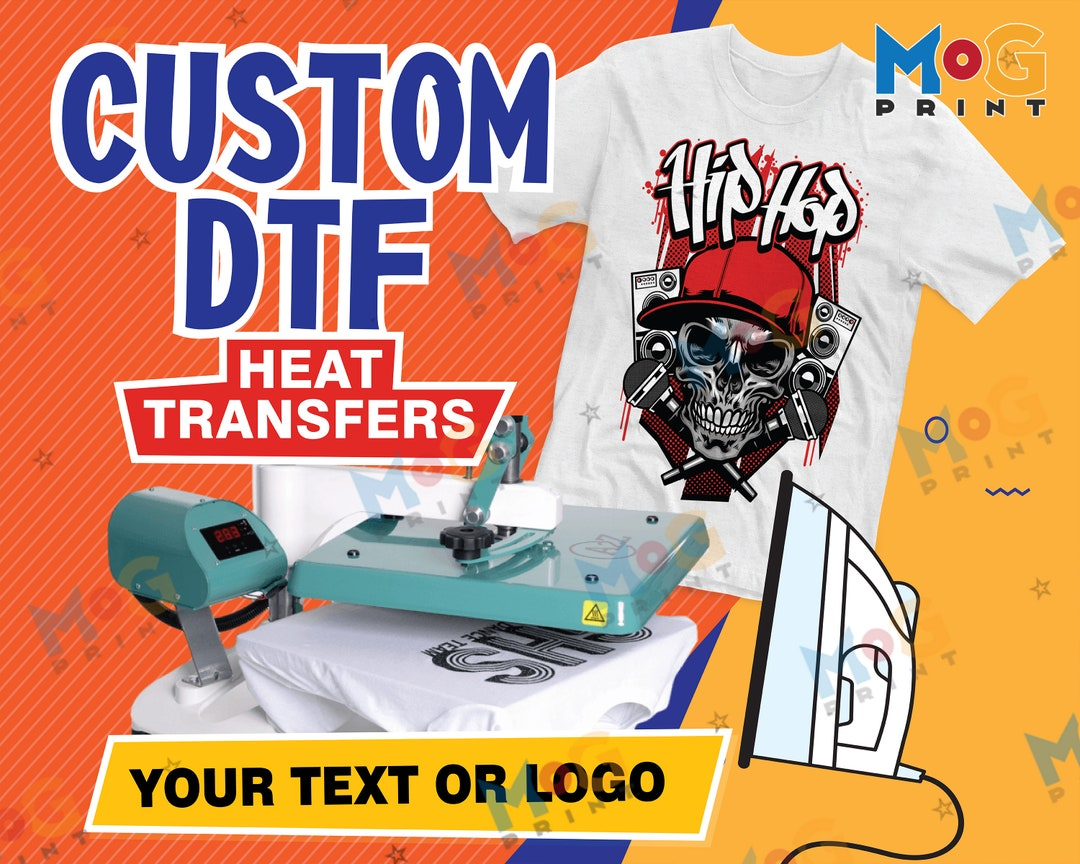
DIY DTF transfers are revolutionizing the world of custom apparel printing, allowing creators to effortlessly transfer vibrant designs onto garments. This innovative method, known as the DTF printing process, utilizes a specialized DTF printer to produce stunning visuals that adhere beautifully to various fabrics. Unlike traditional printing techniques, DIY DTF offers ease of use and flexibility, making it ideal for hobbyists and small business owners alike. In this guide, we will explore how to DTF transfer with confidence, discussing the essential tools and best practices that lead to success in this exciting printing journey. Whether you're looking to create unique pieces for personal use or launch a custom clothing line, understanding DIY DTF transfers is the first step towards bringing your vision to life.
Crafting your own designs through DTF transfer printing is an exciting venture that caters to both artistic expression and small business aspirations. This direct-to-film technology emphasizes a streamlined approach, enabling creators to apply detailed graphics onto textiles without the complexity of traditional methods. Known among enthusiasts as a premier way of fabric decoration, this technique requires a specialized DTF printer and an understanding of the transfer process. From personalizing wardrobe staples to producing promotional merchandise, mastering this craft opens up numerous avenues for innovation in fabric printing. As we delve deeper into the fundamentals of DIY DTF transfers, you'll discover the essential equipment needed and tips for achieving exceptional results.
Understanding the DTF Transfer Printing Process
The DTF transfer printing process is an innovative method that involves several distinct stages, beginning with the design creation. Users can create intricate designs using graphic design software, ensuring that the colors and resolutions are optimal for transfer. Once the design is ready, it is printed onto a special transfer film using a DTF printer. Unlike traditional printing methods, DTF printing allows for vibrant colors and detailed graphics that are essential for custom apparel printing.
After the design is printed onto the film, powdered adhesive is applied to the wet ink, and the film is cured through heating. This crucial step ensures that the ink adheres properly to the film. Finally, heat is applied using a heat press to transfer the design onto the garment. This process not only makes DTF transfers faster but also more efficient compared to other methods, as it can provide high-quality results with minimal effort.
Essential Equipment for Successful DTF Transfers
To successfully engage in DIY DTF transfers, it’s important to gather all necessary equipment prior to starting. The cornerstone of your setup will be a dedicated DTF printer, such as the LOKLiK iPrinter DTF, which is specifically designed to handle this printing technique. This type of printer is renowned for producing vivid colors and crisp details, which are critical when creating customized designs for apparel.
Aside from a DTF printer, having a reliable heat press machine is essential. This tool applies the necessary heat and pressure to ensure the transfer adheres properly to various fabrics. Additionally, you’ll need specialized DTF inks that are formulated for use with these printers, along with transfer films that allow for clear and durable designs. Gathering these components will significantly enhance your prospects for successful DTF printing.
Best Practices for Applying DTF Transfers
Implementing best practices is crucial for achieving successful DTF transfers. One of the primary tips is to always select high-quality materials. Investing in good DTF films and inks may cost a bit more upfront, but it pays off by ensuring that your designs are vibrant and long-lasting. Additionally, the quality of the garment itself can affect the transfer, making it essential to choose compatible materials for printing.
Another important practice is the pre-pressing of garments before applying your DTF transfers. This step removes wrinkles and moisture, contributing to a smoother application process. Furthermore, adhering to the recommended temperature and timing settings for your heat press can prevent damages and improve adhesion. Following these best practices will pave the way for impressive custom apparel printing results.
Common Pitfalls to Avoid in DTF Printing
One of the biggest pitfalls that new users often encounter in DTF printing is skipping test runs. It is crucial to run tests on the same fabric intended for final products to fine-tune the process without ruining precious materials. Each fabric reacts differently to the DTF transfer process, so testing helps in adjusting settings for optimal results.
Another common mistake is overlooking valuable feedback from the broader DTF community. Engaging in forums and online groups can provide insights into common issues and innovative techniques that may enhance your process. Ignoring these resources can lead to repeated mistakes that could otherwise be avoided with community support.
Exploring Market Trends in DTF Printing Technologies
The DTF printing market is dynamic, with continuous advancements that redefine what is possible in custom apparel printing. Trends indicate a growing preference for user-friendly DTF printers, such as newer models that offer better color quality, efficiency, and ease of use for hobbyists and small businesses alike. Staying informed on these developments allows DIY enthusiasts to compare features and select equipment that aligns with their needs.
Moreover, the trend towards sustainability is becoming more evident in the DTF sector. Manufacturers are increasingly focusing on eco-friendly inks and recyclable transfer films, providing a greener alternative for custom printing. Understanding these trends can help users integrate better practices into their projects, catering to an environmentally-conscious consumer base.
Community Resources for DTF Printing Success
The online community surrounding DTF printing is vibrant, offering a wealth of resources that can help users enhance their skills and knowledge. For those looking to get started, platforms like YouTube have numerous tutorials on DIY DTF transfers, covering everything from equipment setup to troubleshooting common issues. Joining forums and discussion groups can also connect users with like-minded individuals who share tips, tricks, and personal experiences.
Another great resource is focused blogs and websites dedicated to DTF printing. These platforms often feature detailed reviews of products and comparative analyses, guiding users to make informed choices about their DTF printing setups. By tapping into these resources, aspiring DTF enthusiasts can avoid common pitfalls and become proficient in this exciting printing method.
Frequently Asked Questions
What equipment do I need for DIY DTF Transfers?
To get started with DIY DTF transfers, you'll need essential equipment including a DTF printer like the LOKLiK iPrinter DTF, a heat press machine, specialized DTF inks, and transfer films designed specifically for this printing process. These tools will enable you to create high-quality custom apparel.
How does the DTF printing process work?
The DTF printing process involves printing your design onto a special film using a DTF printer. After printing, the film is applied to the fabric using a heat press, which transfers the ink onto the material under heat and pressure, resulting in vibrant and durable prints.
What are some best practices for successful DTF Transfers?
To ensure successful DTF transfers, use high-quality DTF inks and films, pre-press your garments to remove moisture and wrinkles, and adjust your heat press settings according to the manufacturer's guidelines. Always allow the transfer to cool before peeling for the best results.
Can I use a standard printer for DTF transfer printing?
No, standard printers cannot be used for DTF transfer printing. You need a specialized DTF printer that is designed to handle DTF inks and films effectively, providing the quality and durability necessary for successful transfers.
What common mistakes should I avoid when using DIY DTF Transfers?
Common pitfalls include not testing your process on scrap material before the final print, overlooking the importance of quality materials, and failing to follow heat press settings accurately. Engaging with community feedback can also help avoid these mistakes.
Where can I find resources and community support for DIY DTF transfers?
You can find valuable resources for DIY DTF transfers through online tutorials, product reviews, and community forums dedicated to DTF printing. Websites like LOKLiK and specialized DTF groups on social media platforms are excellent places to start.
| Key Points | Description | Tip |
|---|---|---|
| Introduction to DTF Transfers | DTF transfers are a modern printing technique for vibrant garment designs. | |
| What is DTF Printing? | A process where designs are printed on film and transferred to fabric with heat. | |
| Latest Product Highlights: LOKLiK iPrinter DTF | A user-friendly printer that delivers high-quality outputs. | |
| Essential Equipment | DTF Printer, Heat Press Machine, Specialized Inks, Transfer Films. | |
| Best Practices | Use quality materials, pre-press garments, and follow correct heat settings. | |
| Common Pitfalls to Avoid | Always test before full application and seek community feedback. | |
| Keeping Up With Trends | Follow blogs and forums for the latest DTF information and trends. | |
| Community Resources | Join online platforms for tutorials, reviews, and support. |
Summary
DIY DTF Transfers provide an exciting and accessible way to bring custom garment printing to anyone interested in fabric artistry. This innovative method combines quality and convenience, allowing hobbyists and small businesses alike to create stunning designs effortlessly. With the right tools, including specialized printers like the LOKLiK iPrinter DTF and a solid understanding of best practices, anyone can dive into the world of DTF printing. These transfers not only offer vibrant results but also promote a vibrant online community where users can share tips, inspirations, and resources, making it easier than ever to join the DIY DTF Transfers movement. Whether you're looking to enhance your wardrobe or start a business, DTF technology is paving the way for creative expression.