
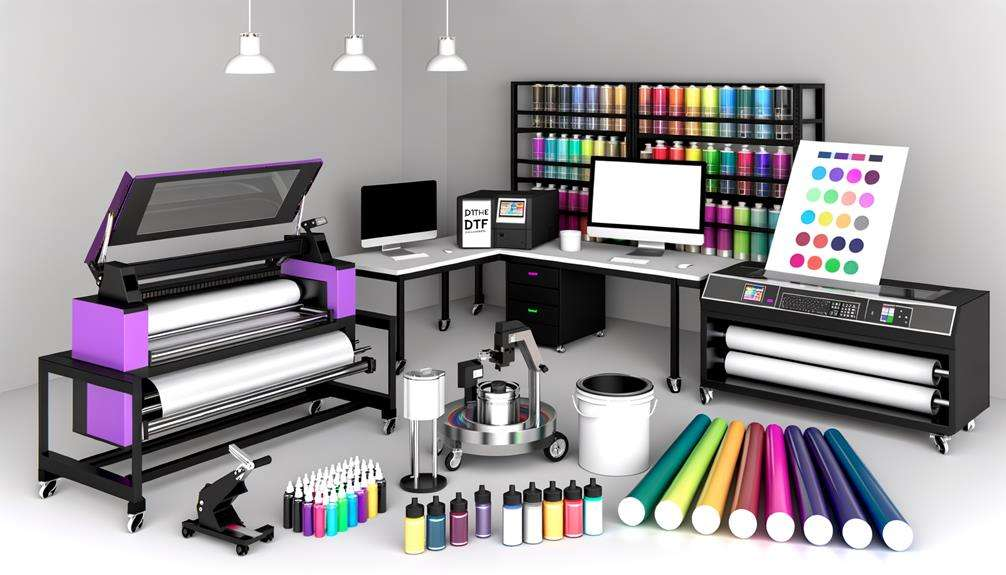
In the realm of custom garment decoration, **common mistakes to avoid in DTF printing** can significantly influence the outcomes of your projects. As Direct to Film (DTF) printing continues to gain traction among enthusiasts and professionals alike, understanding the pitfalls is vital for achieving optimal results. Many newcomers often fall prey to issues such as incorrect color profiles or mishandling transfer films, which can lead to disappointing print quality. This guide will not only highlight these printing errors but also provide essential DTF printing tips to enhance your skills. By identifying and rectifying these common DTF printing mistakes, you can elevate your work and ensure visually stunning products that delight your customers.
Exploring the intricacies of Direct to Film (DTF) printing requires a keen eye for detail and a thorough understanding of this unique printing method. Often referred to as film transfer printing, it involves applying high-resolution designs onto film substrates before transferring them to textiles. While this technique offers stunning visuals and versatility, it's crucial for beginners to be aware of prevalent textile printing errors that can hinder their success. From printer settings to the quality of materials, overlooking key aspects can lead to significant DTF print quality issues. This article unpacks essential strategies to steer clear of common mistakes and enhance your beginner DTF printing experience.
Common Mistakes to Avoid in DTF Printing
When starting with DTF printing, it’s easy to overlook fundamental aspects that can lead to poor results. One of the most common mistakes is failing to understand the intricacies of the color profiles associated with your printer and the DTF film. If the color settings are not calibrated correctly, the prints may appear washed out or not represent the intended colors. To avoid this mistake, it is advisable to invest in professional calibration tools and routinely check the printer’s settings to match the DTF film specifications.
Another critical error is mishandling the transfer films. Many beginners neglect to handle these films carefully, leading to scratches or smudges that can ruin the print. Always use gloves while managing your transfer films and ensure proper storage conditions to prevent damage. Furthermore, reviewing tutorials and guides on proper handling can enhance your understanding, thereby improving your print quality. Whether you're focusing on vibrant DTF printing tips or just starting out, handling films correctly is crucial for successful designs.
Importance of Color Profiles in DTF Printing
Color accuracy plays a pivotal role in achieving quality prints in DTF printing. Each printer requires specific color profiles to ensure that the output closely matches the design. Many beginners overlook the necessity of adjusting color settings, which leads to various issues, including dull prints. Utilizing software that offers color calibration can drastically improve the vibrancy and fidelity of your designs.
Moreover, understanding how different fabrics can affect color outcomes is crucial. Natural fibers absorb ink differently compared to synthetic materials, which can change how colors appear once printed. By taking the time to familiarize yourself with color theory and using correct profiles, you can streamline your print process and enhance the overall quality of your projects, thanks to carefully calibrated DTF printing techniques.
Handling and Storing DTF Transfer Films
Proper handling and storage of DTF transfer films are vital to avoid printing errors. Many beginners commit the mistake of not protecting the films from dirt and oil, which can lead to smudged prints. To keep your films in pristine condition, always wear gloves while handling and ensure that they are stored in a cool, dry environment free from direct sunlight.
Additionally, learning the correct methods of cutting and aligning your transfer film can prevent numerous errors down the line. Following best practices for film handling not only protects the integrity of your prints but can also save you money spent on unusable materials. By prioritizing proper film storage and handling, you will noticeably improve your overall output quality.
Adjusting Printer Settings for Optimal DTF Results
One of the most crucial yet often overlooked aspects of DTF printing is the adjustment of printer settings. New users tend to dive straight into printing without realizing how adjustments can significantly impact print quality. Settings such as print density, speed, and temperature must be optimized according to the fabric type and ink used to achieve vibrant colors and clear details.
Taking the time to experiment with various settings can yield insights that improve your print outcomes. Maintain thorough documentation of successful settings for different projects to streamline your process. Among DTF printing tips, regularly reviewing and adjusting settings as you progress will ensure you stay ahead of potential issues, enhancing your skills as you create quality designs.
Pre-Treatment Techniques for Various Fabrics
Pre-treatment of the fabric is a step that should never be neglected when it comes to DTF printing. Each type of fabric may require different pre-treatment processes to ensure proper adhesion and longevity of the print. For instance, cotton materials may require a different approach than polyester blends, which demand specific pre-treatment solutions. Failing to address these needs can lead to peeling prints and diminished durability.
Moreover, understanding the chemical interaction between your chosen pre-treatment and the inks used can enhance print quality. By following the manufacturer’s guidelines and conducting test runs on various fabrics, you can better understand how pre-treatment affects print adhesion and longevity. This knowledge is essential for beginners looking to avoid common textile printing errors and increase their success rate.
Quality Matters: Choosing the Right Inks and Films
One of the mistakes that many novices make is opting for low-cost inks and available films in a bid to save money. While it might appear economical short-term, using inferior materials can compromise the quality of your prints. Low-grade DTF inks can lead to dull colors and reduced durability, which can backfire on your business in the long run. Investing in professional-grade inks and films is vital for achieving the high-quality prints that customers expect.
It's also important to research and choose reputable suppliers known for their dedication to quality. The market is flooded with options, and selecting trustworthy providers can ensure that you receive consistent, high-quality materials for your DTF printing projects. By prioritizing quality over cost, you pave the way for successful prints that stand the test of time.
Frequently Asked Questions
What are the common mistakes to avoid in DTF printing for beginners?
Common mistakes to avoid in DTF printing for beginners include neglecting color profiles, mishandling transfer films, overlooking printer settings, and skipping garment pre-treatment steps. These errors can lead to poor print quality and reduced durability.
How does ignoring color profiles affect DTF printing quality?
Ignoring color profiles can significantly affect DTF print quality by causing colors to appear dull or washed out. Proper calibration of your printer's color settings with the DTF film is essential to ensure vivid and accurate color reproduction.
What should beginners know about handling transfer films in DTF printing?
Beginners should handle transfer films carefully to avoid smudges and scratches, which can ruin prints. Using gloves and storing films in a cool, dry place are crucial tips to maintain film integrity during DTF printing.
Why is pre-treatment of garments important in DTF printing?
Pre-treatment of garments is vital in DTF printing as it enhances adhesion, preventing issues like peeling or fading. Different materials require specific pre-treatment processes for optimal results.
What are the consequences of using low-quality inks and films in DTF printing?
Opting for low-quality inks and films can lead to poor print quality, reduced durability, and ultimately increased costs in the long run. Investing in high-quality materials is essential for achieving vibrant and lasting prints.
How do I ensure adequate curing in DTF printing?
To ensure adequate curing in DTF printing, follow the manufacturer's guidelines carefully regarding temperature and duration. Proper curing solidifies the print and ensures it adheres well to the fabric, preventing washout.
| Common Mistakes | Description | Prevention Tips |
|---|---|---|
| Ignoring Color Profiles | Using inaccurate color profiles leads to dull or washed-out colors. | Use a color calibration device and regularly check printer settings. |
| Mishandling Transfer Films | Improper handling can cause smudges or scratches that ruin prints. | Wear gloves and store films properly to avoid damage. |
| Overlooking Printer Settings | Failing to adjust printer settings can affect output quality. | Familiarize yourself with printer software and adjust settings for various substrates. |
| Neglecting Pre-Treatment of Garments | Not pre-treating fabrics can result in poor print adhesion. | Follow manufacturer recommendations for pre-treating different materials. |
| Choosing Low-Quality Inks or Films | Opting for cheaper materials can reduce print quality and durability. | Invest in high-quality inks and films from reputable suppliers. |
| Inadequate Curing Process | Improper curing can lead to prints washing out or not adhering well. | Follow curing guidelines precisely for optimal results. |
| Skipping Test Prints | Not testing prints can result in unforeseen issues in production. | Always produce test prints to check for adjustments needed. |
Summary
Common mistakes to avoid in DTF printing can significantly impact the quality of your prints. Understanding the importance of proper color profiles, handling of materials, printer settings, and pre-treatment processes is crucial for achieving vibrant and lasting results. It's essential to invest in high-quality materials and regularly conduct test prints to ensure everything is working perfectly before full-scale production. By being aware of these pitfalls, you'll not only save time and resources but also enhance your printing skills as you grow in this exciting field.