
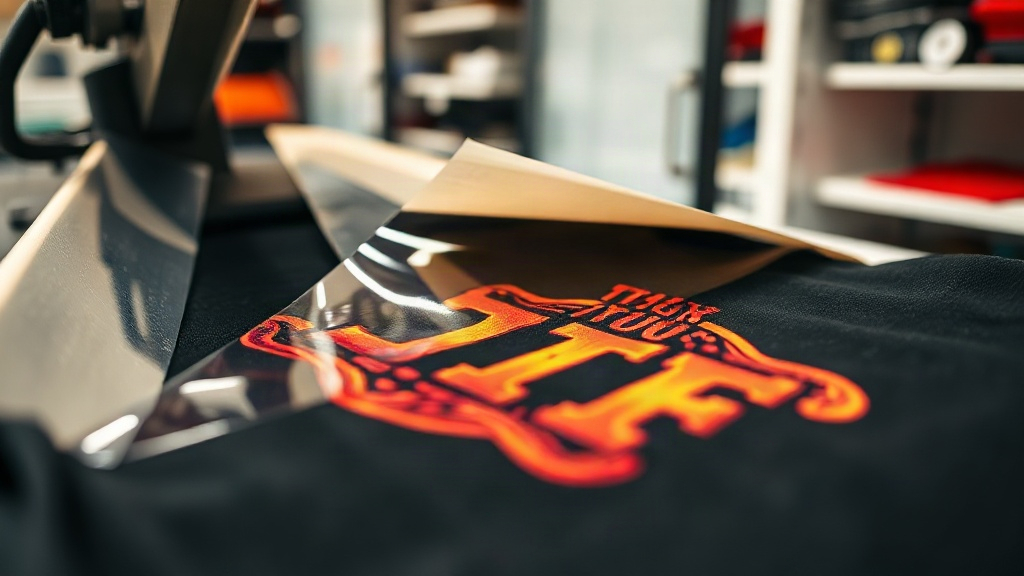
When you're in the middle of a custom apparel project, finding a reliable source for DTF transfers can make all the difference. Whether you're a small business owner, a hobbyist, or just someone who wants to create unique gifts, the quality of your transfers determines the final look and durability of your products. But with so many options available online and locally, how do you choose the right one? This guide will help you navigate the process of finding the best DTF transfers near me and ensure you get prints that meet your expectations.
What Are DTF Transfers?
Direct to film (DTF) printing is a method where designs are printed onto a special film, coated with adhesive powder, and then transferred to fabric using heat and pressure. Unlike other methods, DTF works on a wide range of materials, including cotton, polyester, blends, and even leather. The result is a vibrant, durable print that can withstand repeated washing.
Why Choose Local DTF Services?
While online services offer convenience, local providers have distinct advantages. First, you can physically inspect samples before committing. Second, you avoid shipping delays and costs. Third, you can build a personal relationship that leads to better service. But the key is to find a provider that meets your standards.
How to Find the Best DTF Transfers Near Me
Start by searching online for DTF transfers near me. Use specific keywords like "DTF printing" plus your city or region. Check Google Maps, Yelp, and industry directories. But don't stop at the first result; you need to evaluate each candidate carefully.
1. Check Reviews and Testimonials
Look for businesses with consistent positive reviews. Pay attention to comments about print quality, color accuracy, turnaround time, and customer service. Be wary of companies with only a few reviews or those that seem overly generic.
2. Ask for Samples
A reputable provider will gladly show you samples of their work. Examine the prints closely: Are the colors vivid and accurate? Is the adhesive layer even? How does it feel? Try washing the sample a few times to test durability.
3. Evaluate Their Equipment and Materials
Ask about the films, inks, and powders they use. High-quality materials make a significant difference. Also, ask about their printers and heat press calibration. Professional setup often correlates with better output.
4. Compare Pricing
While price shouldn't be the only factor, it matters. Get quotes from several providers. Be wary of unusually low prices, as they may indicate inferior materials or rushed work. Conversely, high prices don't always guarantee top quality. Look for a balance.
5. Turnaround Time
If you have a deadline, ask about their typical turnaround. Some shops offer rush service for an extra fee. Make sure they can deliver on time, as delays can hurt your business.
6. Look for Customization and Support
The best providers offer design assistance, file setup, and proofing. They should be willing to adjust colors or make tweaks. Good customer support indicates they care about your satisfaction.
What to Look for in High-Quality DTF Transfers
Even when you find a local service, you need to know what separates excellent transfers from mediocre ones.
Print Resolution and Detail
High-resolution printing ensures sharp edges and fine details. Check if the provider uses a proper RIP software and a high-DPI printer. Blurry or pixelated prints are a red flag.
Color Vibrancy and Accuracy
Colors should pop and match the original design. Ask if they do color management or provide proofs. Some providers use ICC profiles to ensure consistency.
Adhesive and Powder Quality
The adhesive layer must be uniform for proper bonding. Low-quality powder can result in flaking or cracking. Ask about the powder brand and how it's applied.
Washability and Durability
Good transfers should withstand at least 30-50 washes without fading or peeling. Ask about their testing procedures. Some companies offer guarantees.
Edge and Cut Quality
If you're ordering cut transfers, ensure the edges are smooth and free of jagged lines. This is especially important for intricate designs.
Cost Comparison: Local vs. Online DTF Services
Online services often advertise low prices, but you have to factor in shipping, which can be significant for heavy film rolls. Also, if you need samples or quick turnaround, local might be more practical. Here's a rough comparison:
- Online: Lower unit price, but shipping costs and time. You can't inspect quality beforehand.
- Local: Potentially higher per-unit cost, but you save on shipping and can get same-day service.
For large orders, online might still be cheaper, but for most small businesses, the convenience and reliability of local are worth the extra cost.
How to Prepare Your Artwork for DTF Transfers
To get the best results, your files must be print-ready. Here are some tips:
- Use vector files (AI, EPS, PDF) for crisp edges.
- If using raster, ensure at least 300 DPI at final size.
- Convert all text to outlines.
- Embed color profiles (preferably CMYK).
- Include a white underbase layer for dark garments.
Most providers offer free file checks and will help you optimize your designs.
Success Stories: Businesses That Thrived with Local DTF
Take Sarah, for example, who runs a boutique in Austin. She struggled with inconsistent screen printing and switched to a local DTF provider. Now she orders custom transfers for her unique designs, and the quality has boosted her sales. Similarly, Mark, a sports team manager, found a nearby service that delivers durable transfers for jerseys, saving him from out-of-stock issues.
Common Mistakes to Avoid When Choosing a DTF Provider
- Ignoring sample quality and relying solely on photos.
- Not asking about film and powder brands.
- Overlooking the importance of a white underbase.
- Choosing the cheapest option without evaluating hidden costs.
- Skipping background checks on the company's reliability.
Future Trends in DTF Printing
The DTF industry is evolving rapidly. NeoLite films, advanced powders, and automated production lines are improving efficiency. Some local providers are investing in eco-friendly inks and films, which is a plus for sustainable brands. Staying updated on these trends can help you choose a provider that is likely to offer cutting-edge quality.
Conclusion
Finding the right DTF transfers near me doesn't have to be overwhelming. By doing your research, asking the right questions, and evaluating samples, you can secure a partner that delivers excellent prints for your projects. Remember, the cheapest option isn't always the best; prioritize quality, reliability, and support. Start your search today, and you'll soon have high-quality transfers that make your designs shine.
Frequently Asked Questions (FAQ)
How long do DTF transfers last?
With proper application and care, high-quality DTF transfers can last for 50 or more washes without significant fading or cracking. Durability depends on the film, ink, adhesive, and the heat press process. Always follow the recommended washing instructions, such as turning garments inside out and using cold water, to extend the life of your prints.
Can I use DTF transfers on dark garments?
Yes, DTF transfers work excellently on dark fabrics because they include a white underbase layer that makes colors pop. Ensure your provider prints a sufficient white layer to prevent the garment color from showing through. A good provider will know how to adjust the underbase for optimal results.
What is the minimum order quantity for DTF transfers?
Many local DTF printing services offer low minimums, often starting at just 1 sheet or 10 pieces, depending on the size. This makes DTF ideal for small batches, test orders, or personalized items. However, some providers may have higher minimums for custom jobs, so it's best to ask directly.
How much do DTF transfers cost?
Pricing varies based on size, quantity, colors, and the provider's overhead. On average, you might pay anywhere from $1 to $5 per transfer for standard sizes. Local services might charge a bit more than online ones, but you save on shipping and can negotiate bulk deals. Always request a quote for your specific needs.
Do I need a heat press for DTF transfers?
Yes, a heat press is recommended for applying DTF transfers. While a home iron might work for small patches, it doesn't provide consistent pressure and temperature, which can lead to poor adhesion and durability. A heat press allows you to apply the right amount of pressure and heat for the recommended time, ensuring a professional finish.