
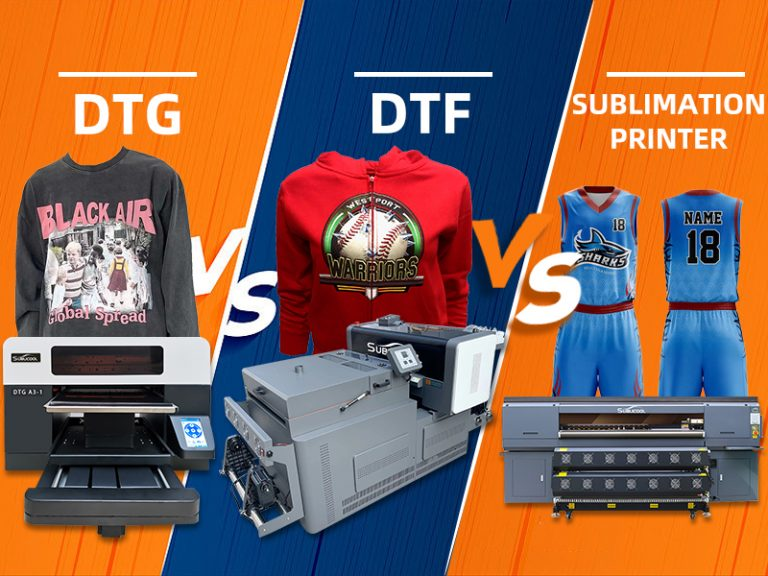
When it comes to textile printing, understanding the differences between **DTF vs. DTG** is essential for anyone looking to customize garments effectively in 2023. **Direct-to-Film (DTF)** and **Direct-to-Garment (DTG)** are two of the hottest topics in the realm of custom printing techniques, each with its own set of unique advantages and applications. DTF printing employs a film transfer method that guarantees versatility across a wide variety of fabrics, making it a robust choice for many printing projects. On the other hand, DTG printing, which uses specialized inkjet technology, excels at producing highly detailed and vibrant designs, particularly for cotton materials. This printing methods comparison will delve into their respective benefits, limitations, and recent advancements, ensuring you have the knowledge needed to make an informed decision for your next textile printing venture.
In the dynamic landscape of custom garment production, choosing between popular techniques such as Direct-to-Film (DTF) and Direct-to-Garment (DTG) can significantly impact your results. These innovative printing methods not only redefine how designs are applied to fabric but also influence the overall quality and durability of the printed materials. DTF printing, known for its adaptability to a range of textiles, stands out as a powerful solution for mixed materials, while DTG printing offers exceptional color fidelity and detail, perfect for high-quality cotton projects. Both approaches to textile printing are continuously advancing, reflecting the latest trends to meet consumer demand. By exploring these custom printing techniques, you can better align your choices with your business goals and customer preferences.
Understanding the Basics of DTF and DTG Printing
Direct-to-Film (DTF) and Direct-to-Garment (DTG) are two of the most significant advancements in textile printing technology. DTF utilizes a specialized transfer film that allows for high versatility in the types of fabric it can print on, including synthetic materials and blends. Its method involves printing designs onto film, applying adhesive powder, and then using heat transfer to infuse the design into the fabric. DTG, on the other hand, directly applies ink onto the fabric, making it ideal for intricate designs on 100% cotton. Understanding these methods is essential for businesses looking to implement custom printing techniques that reflect current market demands.
As we delve into these printing methods, it’s important to recognize their different approaches to technology. DTF is often lauded for its ability to create vibrant prints on a variety of surfaces, while DTG is celebrated for its ability to produce detailed images with a soft feel, as the ink becomes part of the fabric itself. Businesses that cater to diverse needs may find DTF to be the more versatile option, especially in scenarios requiring prints on various materials, whereas DTG shines in situations demanding high-detail custom prints.
Exploring the Advantages of DTF Printing
One of the standout features of DTF printing is its remarkable versatility. This method can proficiently handle a wide array of fabric types—from cotton and polyester to leather—making it a go-to choice for businesses seeking to create custom pieces that appeal to various sectors, including fashion and promotional industries. Furthermore, DTF printing methods continue to evolve, enhancing both the vibrancy and durability of prints, which ensures that even after multiple washes, the designs remain intact.
Cost efficiency is another leading advantage of DTF printing. As this method doesn’t require pre-treatment of fabrics, it not only slashes setup costs but also speeds up the production process, making it an attractive option for businesses focused on smaller batch orders or rapid turnaround times. This ability to accommodate diverse operations without substantial upfront costs makes DTF a compelling choice for entrepreneurs and established businesses alike.
DTG Printing: The Appeal of Detail and Quality
Direct-to-Garment printing is renowned for its superior print quality and the ability to deliver highly detailed graphics. Ideal for designs requiring photorealistic precision, DTG excels when printing on lighter fabrics, particularly 100% cotton, which allows the ink to penetrate deeply into the fibers. As a result, garments produced via DTG have an incredibly soft feel, making them a favorite among consumers who prioritize comfort without sacrificing aesthetic quality.
However, DTG does come with its limitations, largely revolving around material compatibility and production speed. Because it works best with cotton, businesses that wish to explore a wider range of textiles may find DTG restrictive. The necessity for fabric pre-treatment can also increase overall production time and costs. Nevertheless, for brands targeting high-quality custom garments, DTG remains one of the top choices in the current printing landscape.
Comparative Analysis: DTF vs. DTG
When comparing DTF and DTG printing methods, there are notable distinctions that businesses must consider. While DTF offers greater versatility across fabric types, allowing for prints on both light and dark materials, DTG holds an edge in producing intricate, vibrant designs, particularly for lighter garments. This comparative analysis highlights the importance of assessing your target market’s needs before deciding on a printing method.
Moreover, production costs play a crucial role in this comparison. DTF tends to be more cost-efficient due to its lack of pre-treatment requirements, making it easier for businesses to produce items quickly and economically. Conversely, DTG's additional steps can lead to increased labor and material costs. Therefore, businesses must weigh these factors alongside their goals, desired print quality, and operational capacities when choosing between DTF vs. DTG.
Trends Influencing DTF and DTG Adoption
Recent industry trends illustrate a growing preference for DTF printing, primarily due to its adaptability to meet diverse customer demands. With the rise of personalized fashion and promotional items, DTF's ability to print on various materials enhances its appeal in today’s market. As technology advances, DTF continues to improve in terms of print quality and efficiency, solidifying its position as a relevant printing method for 2023.
Conversely, DTG printing is also undergoing significant upgrades aimed at improving speed and fabric compatibility. Manufacturers are developing DTG technology that can handle a broader range of textiles, thereby expanding its application. Brands that focus on high-quality, custom-printed garments may still find DTG to be an essential tool for meeting customer expectations in terms of both detail and comfort.
Choosing the Right Printing Method for Your Business
Deciding between DTF and DTG requires a strategic evaluation of your business needs and objectives. DTF printing is ideal for businesses that prioritize versatility, lower costs, and durability across multiple fabric types. It is particularly well-suited for companies looking to experiment with various products without the commitment of heavy upfront investments.
On the other hand, if your focus is on high-quality prints with meticulous detail, especially for cotton apparel, DTG represents an attractive option. Companies willing to invest time and resources into pre-treatment processes and are focusing on detailed graphic designs may find that the advantages of DTG outweigh its drawbacks. Ultimately, a detailed consideration of your target audience and production capabilities will guide you to the right choice.
Frequently Asked Questions
What are the main differences between DTF printing and DTG printing?
DTF printing (Direct-to-Film) involves printing designs on a transfer film and then applying heat to transfer onto various fabric types, while DTG printing (Direct-to-Garment) sprays ink directly onto the fabric. Key differences include material compatibility, production speed, and cost, with DTF generally being more versatile and cost-effective for a wider range of materials.
Is DTF printing suitable for dark fabrics compared to DTG printing?
Yes, DTF printing is particularly well-suited for dark fabrics, as it can print vibrant designs on various materials, including polyester and blends, without the limitations faced by DTG printing, which primarily works best on 100% cotton.
Which printing method is more cost-efficient for small batch orders: DTF or DTG?
DTF printing is generally more cost-efficient for small batch orders since it doesn't require the pre-treatment of fabrics that DTG printing does, allowing for quicker setup times and lower production costs.
How does print quality compare between DTF printing and DTG printing?
While both DTF and DTG printing can achieve excellent print quality, DTG printing excels in producing high-detail designs with vibrant colors on light-colored fabrics. In contrast, DTF printing offers strong durability and can produce vivid prints on a wider range of fabrics, including dark colors.
What types of fabrics can be printed using DTF vs. DTG methods?
DTF printing can be used on various fabrics, including cotton, polyester, leather, and blends. In contrast, DTG printing is primarily effective on 100% cotton fabrics, with limitations on blends and darker materials.
Which printing method should I choose for custom apparel: DTF or DTG?
Choose DTF printing if you need versatility and durability across a range of materials and colors. Opt for DTG printing if your focus is on producing high-quality prints primarily for soft cotton garments and you can handle the additional time and cost associated with pre-treatment.
| Feature | DTF Printing | DTG Printing |
|---|---|---|
| Material Compatibility | Many fabrics (cotton, polyester, leather) | Best on 100% cotton |
| Durability | High; resistant to fading | Good; but may fade on dark fabrics |
| Production Cost | Generally lower without pre-treatment | Higher due to pre-treatment costs |
| Production Speed | Faster for both small and large runs | Slower due to pre-treatment and curing |
| Print Quality | Excellent; vibrant colors | Very good; but varies with fabric |
| Ease of Use | Moderate; involves multiple steps | Generally easier, but requires pre-treatment |
Summary
In conclusion, when it comes to DTF vs. DTG, both printing methods offer distinct advantages and challenges that cater to different business needs. DTF shines with its versatility and cost-effectiveness, especially for businesses looking to print on various materials without extensive pre-treatment. On the other hand, DTG provides exceptional color vibrancy and detail, ideal for high-quality prints on cotton fabrics but requires more time and investment due to pre-treatment and material limitations. Understanding these nuances is essential for making an informed choice that aligns with specific printing goals and market demands.