
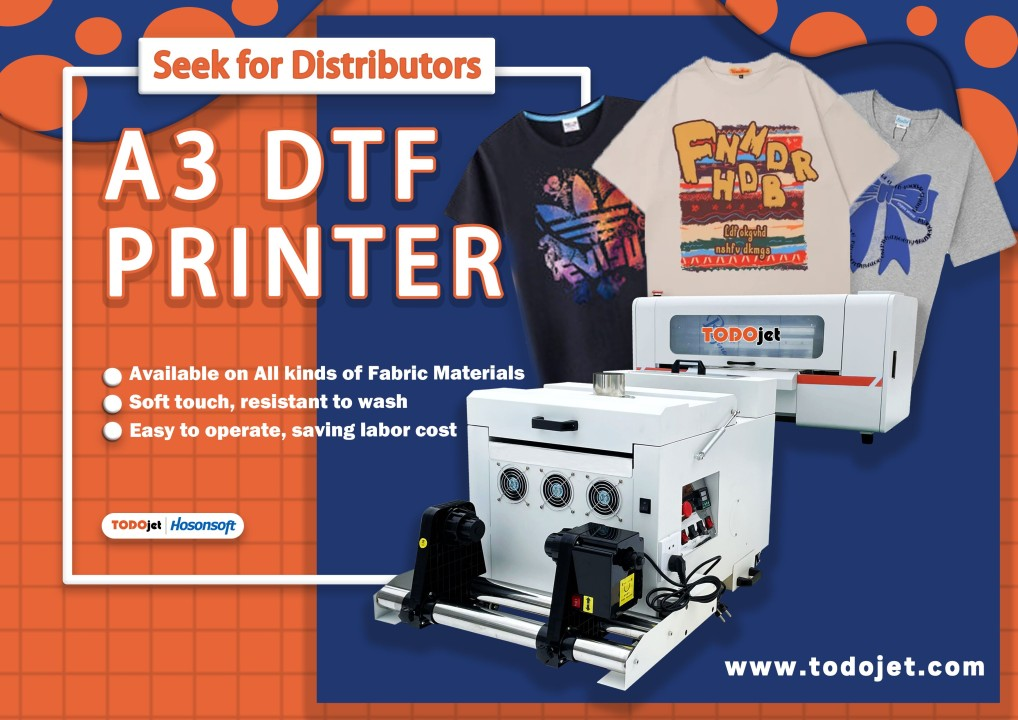
DTF technology, or Direct-to-Film printing, is revolutionizing the landscape of personalized apparel, providing a modern solution for designers and businesses alike. This cutting-edge printing method offers numerous benefits of DTF, including vibrant color reproduction and the ability to print on various fabric types seamlessly. As companies increasingly seek eco-friendly printing options, DTF stands out for its ability to reduce waste and energy consumption compared to older printing methods like screen printing or DTG. Moreover, by comparing DTF vs sublimation, it becomes clear that DTF's versatility makes it suitable for a broader range of materials, allowing for endless creative possibilities. Join us as we delve deeper into the world of DTF prints for apparel and explore how you can leverage this innovative technique in your projects.
Direct-to-Film printing technology is rapidly emerging as a preferred choice among brands looking to enhance their product offerings in the textile.printing sector. Often abbreviated as DTF or referred to as film transfer printing, this technique has quickly garnered attention due to its impressive compatibility with diverse textile substrates and its exceptional print quality. As environmentally-conscious consumers continue to drive demand for eco-friendly printing solutions, the benefits provided by DTF processes cannot be overstated—they not only conserve resources but also yield high-quality results. By providing a rich tapestry of color and resilience that rivals traditional methods, DTF technology paves the way for a sustainable future in apparel decoration. In the following sections, we will explore the intricacies of this transformative technology and guide you through the key steps to implement it successfully.
What is Direct-To-Film (DTF) Printing?
Direct-To-Film (DTF) printing is an innovative method that falls under the category of digital printing techniques, specifically designed for fabric applications. This process utilizes specialized printers to transfer designs onto a film that is later applied to garments. The unique aspect of DTF technology is its ability to produce sharp, vibrant colors that stand out on various substrate materials. Unlike traditional methods, DTF not only offers an efficient workflow but also ensures a lower environmental impact, positioning it as a sustainable option in the printing industry.
The DTF printing procedure begins with printing an image or design onto a specific transfer film using DTF inks. After the design is printed, a heat press machine is used to apply heat and pressure to transfer the design from the film to the fabric. This process can easily adapt to multiple fabrics, including cotton, polyester blends, and other materials, thereby enhancing the versatility of the DTF printing method. Companies adopting this technology are finding it particularly beneficial for smaller runs and custom designs, as it reduces waste and streamlines production.
Key Benefits of DTF Technology for Businesses
One of the standout benefits of DTF technology is the reduction in waste during the printing process. Traditional screen printing techniques often yield significant waste due to numerous setup steps and color separations. In comparison, DTF technology allows businesses to print only what they need, leading to sustainable production practices. This is particularly appealing to environmentally conscious consumers and can enhance a brand's reputation as a responsible business.
Moreover, DTF is also a cost-effective solution for small businesses and startups. The initial investment for DTF printing equipment is considerably lower than that of traditional methods like screen printing. Additionally, DTF allows for easy adjustments and the ability to run smaller batch sizes without incurring hefty costs. As a result, businesses can remain competitive and flexible in the ever-evolving apparel market while still delivering high-quality prints, making DTF an attractive option.
DTF vs. Sublimation: Which is Better?
When comparing DTF technology to sublimation printing, there are several factors to consider. Sublimation printing is primarily used on polyester fabrics; however, DTF opens doors to a wider range of materials. This versatility means that businesses can cater to diverse customer preferences, producing apparel that features various fabric types without being limited to polyester. Furthermore, DTF technology preserves color vibrancy and detail across materials, giving it an edge when it comes to overall print quality.
Additionally, DTF can be a more straightforward process in terms of production. Unlike sublimation, which often requires specific fabric treatments and processes to ensure ink adherence, DTF can be applied directly to fabrics without requiring prior preparation. This efficiency allows businesses to switch designs and products rapidly, fulfilling orders and customizing pieces with greater ease, enhancing the overall customer experience.
Essential Equipment for Starting DTF Printing
To successfully embark on your DTF printing journey, investing in the right equipment is essential. The key component is a high-quality DTF printer that can produce the vivid graphics and designs that DTF technology promises. Manufacturers have begun to offer compact, user-friendly printers which ideal for newcomers and small businesses looking to explore print-on-demand options without substantial overhead.
Aside from the printer, you'll also require DTF transfer films and compatible inks specifically formulated for this technology. Utilizing high-quality inks is crucial for achieving long-lasting prints that maintain their vibrancy. A reliable heat press machine is another vital investment, as it ensures that the designs adhere properly to the fabric. Together, this equipment will equip you to dive into the world of DTF printing effectively.
Tips for Achieving Professional DTF Prints
To ensure you achieve the highest quality DTF prints, it's important to start with thorough testing. Before executing a full production run, creating test prints can help determine the right balance between print settings and fabric types. This step allows you to assess color accuracy, design placement, and overall appearance, ensuring that your final product meets client expectations.
Adjusting print settings is another essential step for achieving optimal results with DTF technology. Each printer may require different configurations based on the materials being used, so experimentation with DPI settings, color management, and heat levels during the transfer process is key. Properly curing your prints after application is equally critical, as this phase protects the integrity and quality of the print while ensuring its durability during washes.
The Future of DTF Technology in Eco-Friendly Printing
As sustainability becomes an increasingly pressing issue in various industries, DTF technology stands to revolutionize the world of eco-friendly printing. Unlike traditional methods, which often generate significant waste and rely on harmful solvents, DTF offers a cleaner approach to printing. This advancement not only aligns with green business practices but also resonates with environmentally conscious consumers looking for sustainable options in apparel.
The continual evolution of DTF technology suggests a promising future for its application across various sectors, including custom apparel, promotional items, and merchandise. As advances in DTF equipment and inks emerge, the printing landscape will likely shift towards more sustainable practices, solidifying DTF's place as a frontrunner in the eco-friendly printing movement. Businesses that adopt DTF technology can meet growing market demands while contributing positively to environmental wellbeing.
Frequently Asked Questions
What are the main benefits of DTF technology in the apparel industry?
DTF technology offers several benefits in the apparel industry, including significant waste reduction during production, cost-effectiveness for small to medium-sized businesses, and versatility for printing on various materials. It enables vibrant and durable designs that cater to environmentally conscious consumers.
How does DTF technology compare to sublimation printing?
DTF printing differs from sublimation primarily in its fabric compatibility. While sublimation is limited to polyester materials, DTF technology can be used on a wider range of fabrics, including cotton and blends, making it a more flexible option for diverse product offerings.
Is DTF printing an eco-friendly printing option?
Yes, DTF printing is considered an eco-friendly printing option. It minimizes waste compared to traditional methods and avoids excess materials, aligning with the growing consumer demand for sustainable practices in the fashion and apparel industry.
What equipment do I need to start with DTF printing?
To get started with DTF printing, you will need a DTF printer, specialized transfer films and inks, and a reliable heat press machine. Investing in quality equipment is crucial for achieving durable and vibrant prints.
Can DTF prints be used on all types of fabrics?
DTF prints are versatile and can be applied to a wide variety of fabrics, including cotton, polyester blends, and more. This adaptability makes DTF technology a popular choice for many apparel businesses.
What tips can help ensure quality DTF prints?
To achieve high-quality DTF prints, it's essential to conduct test prints to check quality, adjust printer settings for optimal results, and ensure proper curing of the print after heat transfer. These steps help maintain durability and color accuracy.
| Key Point | Details |
|---|---|
| Benefits of DTF Printing | 1. Reduction of Waste: Minimizes production waste, promoting sustainability. 2. Cost-Effectiveness: Lower setup costs, ideal for small batches. 3. Versatility: Works on various fabrics, comparable quality to other methods. |
| Comparison with Other Methods | DTF is more versatile with fabric types compared to sublimation, which is limited to polyester. |
| Getting Started with DTF Printing | Invest in a DTF printer, special transfer films and inks, and a reliable heat press for optimal results. |
| Tips for Quality DTF Prints | 1. Conduct test prints. 2. Adjust printer settings for better accuracy. 3. Cure prints properly for longevity. |
Summary
DTF technology is revolutionizing the printing industry, particularly in apparel, by allowing businesses to embrace sustainable practices while providing high-quality prints. This innovative printing method stands out due to its ability to minimize waste and its cost-effectiveness, making it accessible for small to medium-sized enterprises. Furthermore, its versatility across different fabric types gives it a significant edge over traditional methods like sublimation. As you explore the potential of DTF technology, investing in the right tools and techniques will help you maximize the benefits, leading to a successful venture into modern printing.