
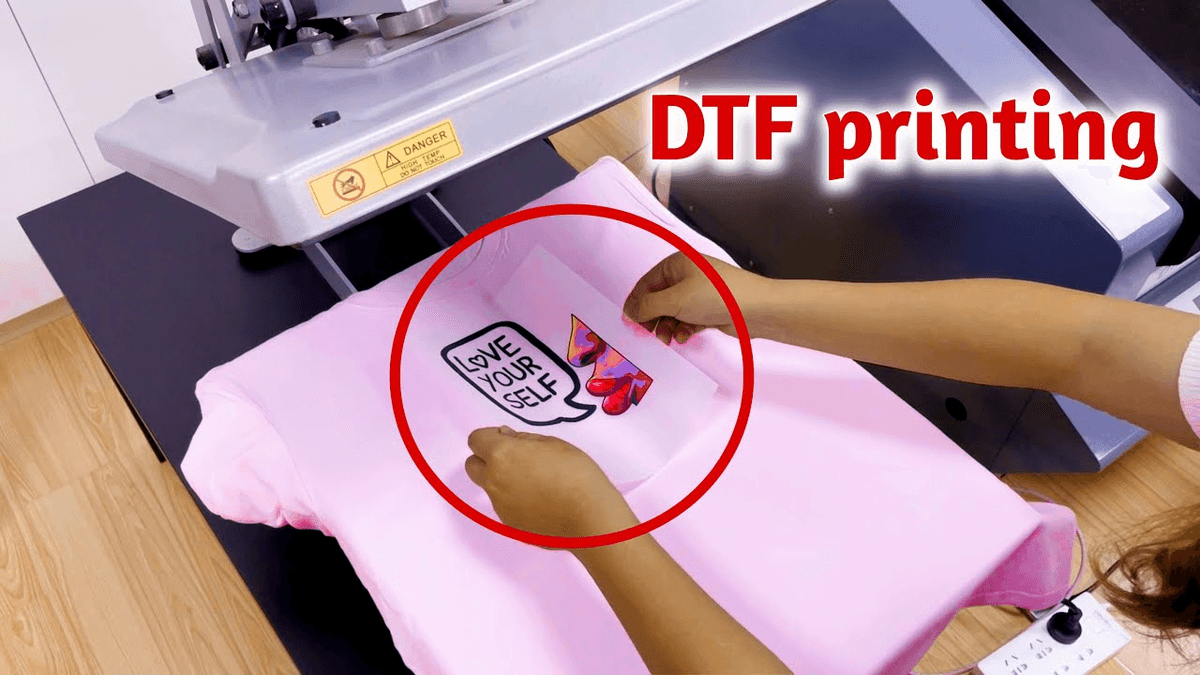
If you’ve ever dreamed of creating custom apparel or textile designs at home, **DIY DTF printing** (Direct to Film) could be the perfect avenue for you! This innovative technique allows you to produce vibrant, high-quality prints that can easily be transferred onto various fabrics, making it a popular choice among DIY enthusiasts. To successfully embark on your printing journey, you will need the right DTF supplies, including specialized inks, film, and heat transfer tools. Understanding the nuances of direct to film printing can empower you to make eye-catching designs. In this guide, we’ll explore the essential items needed for DIY DTF printing and share best practices that ensure your custom apparel printing endeavors are a resounding success.
Exploring fabric printing at home through direct-to-film (DTF) methods can be an exhilarating experience for creative individuals. This modern approach utilizes specialized film to apply vibrant designs onto various textiles, providing an impressive alternative to traditional printing techniques. With the right combination of DTF transfer materials, including quality inks and heat press equipment, you can transform any plain fabric into a unique piece of custom apparel. The versatility of this method opens doors for personal expression, whether you’re crafting memorable gifts or promoting a brand. Get ready to dive into the world of print on fabric, enhancing your craft skills with the art of DTF printing.
Exploring the Basics of DTF Printing in Depth
DTF printing, which stands for Direct to Film printing, has emerged as a game-changer in the world of textile printing. This technique allows enthusiasts to print vibrant designs directly onto a special film that can then be transferred onto fabric. Unlike traditional methods, DTF printing merges the best features of Direct to Garment (DTG) and screen printing, offering a unique and versatile approach to custom apparel printing. This method not only caters to complex designs but also ensures durability and color permanence, making it ideal for varied fabric types.
To begin understanding DTF printing, one needs to know the fundamental components involved. This includes the use of CMYK inks, which stand for cyan, magenta, yellow, and black, along with white ink to enhance the vibrancy of the prints. Additionally, the DTF film used is specially coated to ensure that the inks adhere properly during the transfer process. By gaining insight into these elements, DIY enthusiasts can better appreciate how DTF printing stands out among other printing techniques.
Essential Supplies for Starting Your DTF Printing Journey
When embarking on a DIY DTF printing adventure, having the right supplies is crucial for success. The first and foremost item on any list is high-quality DTF film. This film serves as the canvas for your designs, and selecting the right type can significantly influence print quality. Ranging from 11.8" to 15.7" in width, ensuring that you choose a reliable supplier for DTF film can help you achieve those brilliant, vibrant prints you envision.
Aside from DTF film, high-quality inks are equally important. You need a full set of CMYK inks, which will define the colors in your designs. Many enthusiasts opt to use only high-resolution inks that adhere well to the film and the fabric. Furthermore, incorporating adhesive powder will ensure the inks bond well during the heat press application, ultimately elevating the overall quality of the final product.
The Role of Cutting Equipment in DTF Printing
In the world of DIY DTF printing, having the right cutting equipment can elevate your results dramatically. A precision cutter is vital for trimming your printed DTF film to the desired shape, especially for intricate designs. This equipment ensures clean edges and accurate sizing, which contributes to the professionalism of your custom prints. Models like the Cricut or Silhouette come highly recommended for these tasks, as they offer user-friendly interfaces and reliable performance.
Moreover, cutting equipment can also facilitate experimentation with different shapes and designs. By utilizing cutting machines, you can play with various styles and sizes, creating custom apparel that showcases your creative flair. This flexibility allows you to not only replicate popular designs but also tailor unique creations specific to your style or brand, enhancing your DTF printing experience.
Best Practices for Optimal DTF Printing Results
Succeeding in DIY DTF printing requires adherence to several best practices that can make or break your printing outcome. Firstly, ensure you conduct proper quality control by using high-quality materials. This means sourcing DTF supplies from reputable suppliers and opting for premium inks and films. Quality plays a crucial role in the vibrancy and durability of your printed designs, ensuring that your custom apparel not only looks great but also lasts.
Another critical aspect of DTF printing is managing your heat press settings correctly. Most fabrics do well at a temperature of around 320°F, but testing on sample pieces is a wise step. Moreover, allowing appropriate curing time after applying adhesive powder guarantees that your prints will bond effectively, resulting in stunning, long-lasting designs. By following these practices, you can enhance the quality of your output and ensure customer satisfaction.
Choosing the Right Printer for DTF Printing
Selecting the right printer is crucial for your DIY DTF printing setup. An ideal choice would be a dedicated DTF printer or a modified inkjet printer that effectively handles CMYK inks. The printer must have the capability to print high-resolution images on DTF film and consistently deliver vibrant results. It's essential to research various printer models to find one that fits your budget while meeting the performance standards you require.
In addition to the printer itself, understanding the maintenance requirements of your printing equipment is key. Regularly cleaning the print heads and ensuring the ink is of high quality will prevent clogging and ensure the longevity of your printer. This diligence not only enhances the quality of your prints but also protects your investment in a DTF printing system.
Creating a Successful DTF Transfer Process
Once you've printed your designs on DTF film, the transfer process becomes a pivotal moment in your DIY DTF printing project. The application of heat is what truly brings your designs to life, and using a reliable heat press machine is integral. Setting your temperature correctly, typically around 320°F, ensures that the ink adheres properly to the fabric during the transfer, leading to vibrant, durable results.
After applying your printed film with the adhesive powder, waiting for the proper curing time is essential. This step helps to ensure that your designs bond effectively with the fabric, providing the durability necessary for custom apparel that will withstand washes and wear. By mastering the transfer process, you can create quality prints that will elevate your custom designs to a professional standard.
Frequently Asked Questions
What supplies are essential for DIY DTF printing?
For successful DIY DTF printing, essential supplies include high-quality DTF film, CMYK inks (with white), adhesive powder, a compatible printer (either dedicated or modified inkjet), a heat press, and optional pre-treatment solutions. These items are crucial to achieving vibrant and durable prints.
How does direct to film printing work?
Direct to film (DTF) printing works by printing designs onto a special film, which is then coated with adhesive powder. A heat press is used to transfer the design onto fabric, allowing for colorful and long-lasting prints on various textiles.
Can I use a regular printer for DIY DTF printing?
Yes, you can use a modified inkjet printer for DIY DTF printing as long as it is capable of handling CMYK inks. However, a dedicated DTF printer is recommended for optimal results and ease of use.
What temperature should I set my heat press for DTF transfer?
For most fabrics, set your heat press to around 320°F when performing a DTF transfer. Proper temperature is vital to ensure the adhesive bonds well and the colors come out vibrant.
Is pre-treatment necessary for fabric when using DTF transfer?
Pre-treatment is optional for DTF transfers, but it is recommended, especially for fabrics like cotton and polyester. This step enhances design adhesion and contributes to higher-quality prints.
How can I ensure the durability of prints in custom apparel printing with DTF?
To ensure durability in custom apparel printing with DTF, use high-quality DTF film and inks, apply adhesive powder properly, and adhere to correct heat press settings. Additionally, allow adequate curing time after applying adhesive for a strong bond.
| Essential Supplies | Description |
|---|---|
| DTF Film | The base for printing designs, available in various sizes. |
| Inks (CMYK + White) | High-quality inks necessary for vibrant and durable prints. |
| Adhesive Powder | Enhances ink bonding during the heat transfer process. |
| Printer | A printer capable of handling DTF printing with CMYK inks. |
| Heat Press | A machine for transferring designs onto fabrics at precise temperatures. |
| Pre-treatment Solutions | Optional solutions that can improve adhesion on fabrics. |
Summary
DIY DTF printing offers a fantastic opportunity for individuals looking to create custom textile designs from the comfort of home. By understanding the essential supplies such as DTF film, specialized inks, and a reliable heat press, you can embark on a rewarding crafting journey. Following best practices like maintaining quality control and ensuring proper temperature settings will elevate your results to professional standards. As the DIY DTF printing trend continues to grow, now is an excellent time to dive into this innovative printing technique and let your creativity shine.