
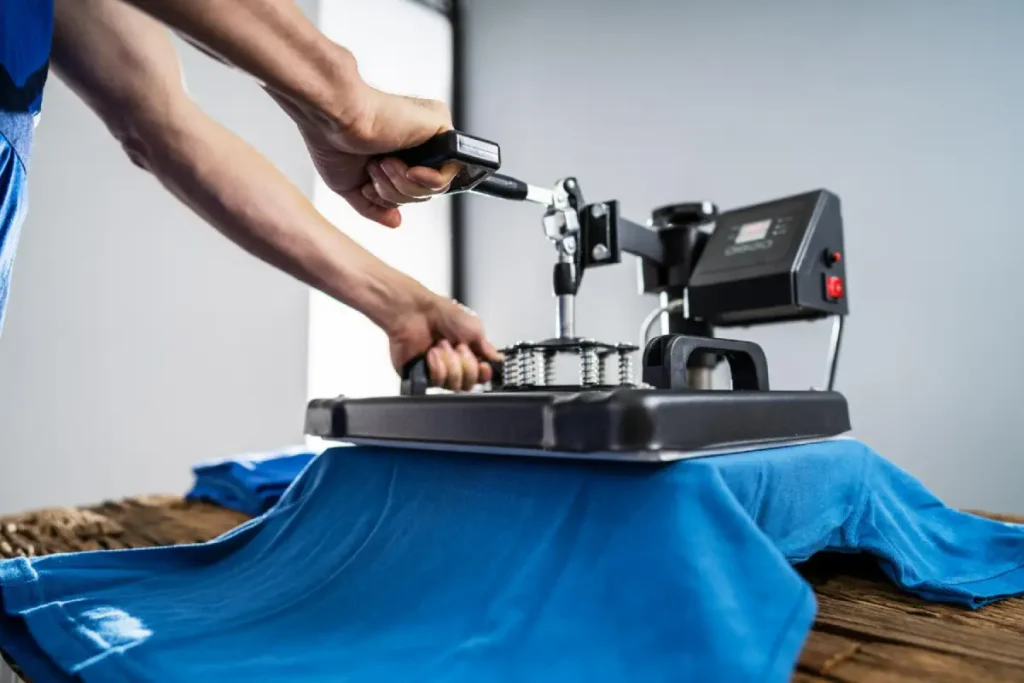
The apparel decoration industry is currently undergoing a structural transformation. For years, the barrier to entry was defined by capital-intensive equipment and the physical limitations of manual printing techniques. Today, the dtf printing paradigm has flipped that dynamic, allowing boutique brands to match the complexity and color accuracy of industrial giants. However, a common trap for many business owners is focusing solely on the “print” while neglecting the “application engineering” that turns a graphic into a durable, sellable product.
To differentiate your brand, you need to shift your focus from merely “applying transfers” to “managing molecular bonds.” A premium-market garment is defined by how well the design integrates with the textile’s natural movement. When you utilize professional dtf transfers, you are essentially applying a flexible, engineered layer that must harmonize with the fabric’s elasticity. If your prints feel rigid or “plasticky,” you aren’t just losing quality—you are losing the premium price point that your target market expects.
The Production Matrix: Moving Beyond Guesswork
The most successful studios in the industry have abandoned the “touch-and-go” method of heat pressing. If you are serious about scale, you must implement a production matrix. This is a technical ledger that documents the exact interaction between specific fabrics and your transfer chemistry. For instance, a heavyweight organic cotton hoody requires a vastly different cooling cycle and pressure setting than a lightweight polyester athletic tank.
At Harwin, we advocate for treating your production floor like a laboratory. Every variable—dwell time, PSI, temperature ramp-up, and moisture content—should be measured. By codifying these variables, you eliminate the “off-days” where prints fail for no apparent reason. When your process becomes a repeatable science, you create a stable foundation for growth. When your production process is documented, you turn your studio into a precision manufacturing hub where quality is a constant, not a variable.
Operational Velocity: The Strategic “Near Me” Model
The traditional apparel supply chain is slow and fraught with inventory risks. The modern approach, which many are now adopting, involves a “distributed production” model. By searching for dtf transfers near me, you aren’t just finding a vendor; you are securing an external production arm. This regional synergy reduces your supply chain latency to near-zero, allowing you to fulfill custom orders in a fraction of the time required by traditional methods.
This proximity also enables a collaborative feedback loop. You can test new adhesive powders or film finishes with your local partner, gaining insights into performance that a distant factory would never share. In a market where trends move in cycles of days, this speed is your most significant competitive advantage. Harwin encourages brands to foster these tight-knit regional partnerships, as they are essential for staying lean and responsive in a volatile market.
Quality Assurance as a Marketing Asset
Marketing is often viewed as external—social media, ads, and branding. But in the apparel industry, your true marketing is the durability of your product. When a customer wears your brand, they are testing your quality every single day. If you want to build a “retail-tier” label, your internal testing protocols must be rigorous. Implement a “Stress-to-Failure” test protocol where you cycle a sample garment through harsh, high-heat industrial laundry conditions until the print finally degrades.
By conducting these tests and being able to tell your customers exactly how to care for their garments, you build an ironclad layer of trust. This transparency doesn’t just reduce return rates; it enhances your brand’s perceived value. Customers are willing to pay significantly more for a product that comes with a “wash-tested” durability guarantee. Your commitment to these technical standards is the most effective marketing asset you own.
Frequently Asked Questions
Why does DTF printing feel more professional than vinyl transfer?
Vinyl transfer requires manual weeding and produces a thick, raised, rubbery surface. dtf is a digital, full-color process that creates a thin, flexible, and breathable layer that is virtually weightless, feeling more like part of the fabric than a sticker.
How do I know if my local printing partner is truly elite?
When searching for dtf transfers near me, look for shops that invest in automated, high-speed curing. An elite provider will be happy to show you their curing logs and provide samples that demonstrate perfect stretch-and-recovery without any surface cracking.
Can this method be used on high-end luxury fabrics?
Yes, provided the fabric can withstand the press temperature. DTF is increasingly used on high-end fashion items. The trick is to use a “protection sheet” (like parchment or a Teflon cover) and ensure your press is perfectly calibrated to protect delicate fibers.
What is the most common mistake when starting a custom apparel business?
The most common mistake is over-investing in inventory before testing the market. The beauty of the dtf model is the ability to operate “inventory-light.” Start with a core collection, press on-demand, and only scale your stock once you have empirical sales data.
Building a successful, high-quality apparel brand is a journey of continuous refinement and technical discipline. By mastering the potential of dtf, you position your brand to compete at the highest level of the custom merchandise market. Harwin is committed to providing the industry insights you need to turn your production floor into a professional, profitable enterprise. Start optimizing your workflow today—your commitment to quality is the most valuable investment you can make for your brand’s future.