
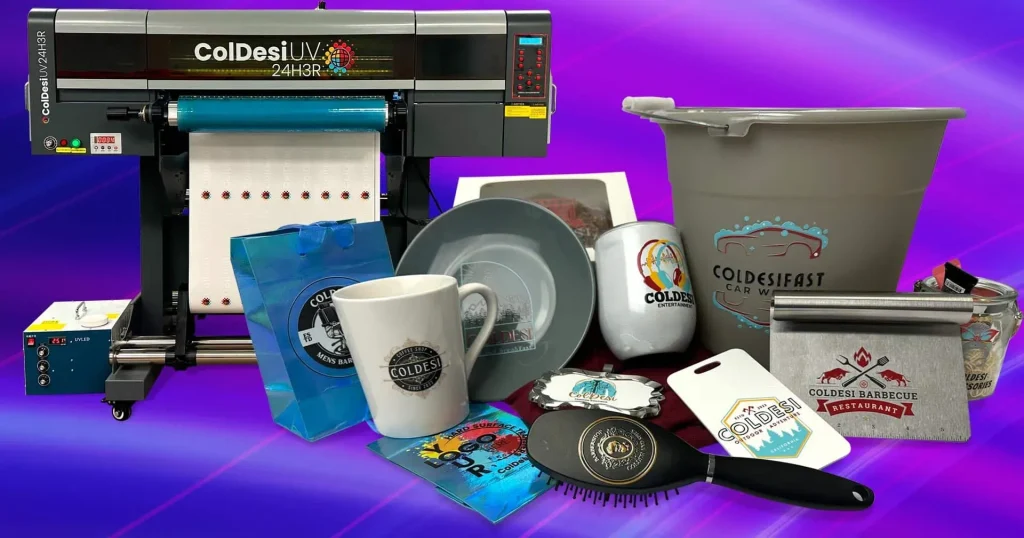
UV DTF printing is an innovative technique that is reshaping the landscape of the printing industry, especially in textiles and graphics. By utilizing ultraviolet light to cure inks directly on a film substrate, this technology offers unparalleled advantages that cater to diverse applications. The benefits of UV DTF printing include its versatility for various surfaces, durability that withstands wear over time, and the production of vibrant, high-quality images. Furthermore, this environmentally friendly printing solution incorporates low VOC emissions, making it a smart choice for sustainable businesses. In this article, we will explore the full spectrum of UV DTF applications and the cutting-edge technology that delivers these exceptional results.
Often referred to as direct-to-film ultraviolet printing, UV DTF technology represents a convergence of advanced printing methods and environmental sensibility. By slicing through traditional limitations, this innovative approach ensures superior quality prints while addressing the growing demand for sustainable options in the industry. With its vast range of applications, from custom clothing to industrial marking, the adaptability of this printing method continues to capture the interest of various sectors. Moreover, the significant advantages of DTF printing, including brightness and durability, make it a compelling choice for artists and businesses alike. As we delve into the intricacies of this modern printing technology, it becomes clear that UV DTF is paving the way for the future of print solutions.
Understanding the Mechanism of UV DTF Printing
UV DTF printing, or UV Direct to Film printing, operates on a technology that uniquely combines digital imaging processes with UV curing methods. Unlike traditional direct-to-garment (DTG) or heat transfer methods, UV DTF uses ultraviolet light for curing the inks almost instantaneously. This process allows for a higher quality print with vibrant colors and intricate details, which is particularly attractive for textile printing as well as industrial applications. With its ability to work seamlessly across various substrates, UV DTF printing becomes a versatile solution for businesses looking to produce high-quality graphics.
In addition to vibrant colors, the technology’s inherent capability for detailed image reproduction enables designers to explore complex patterns and designs without the worry of compromising quality. Each pass of the UV light solidifies the ink as it is printed, providing a precise application that can capture even the slightest nuances in a design. Thus, both textile and surface printing demands are met with accuracy, making UV DTF a powerful option for creative and industrial applications.
Advantages of UV DTF Printing Technology
The advantages of UV DTF printing extend beyond its vibrant color and detail. One of the primary benefits is the remarkable durability of the prints produced. Since the curing occurs instantly with UV light exposure, the prints become resistant to water, scratching, and UV fading. This characteristic makes them ideal for both indoor and outdoor applications, ensuring that products retain their stunning visual quality over time. Businesses investing in UV DTF will find that the longevity of their prints aligns perfectly with customer expectations for durability and performance.
Moreover, the environmental benefits associated with UV inks are significant. Most UV inks release low levels of volatile organic compounds (VOCs) compared to traditional solvent-based inks, contributing to a healthier working environment and less environmental impact. Companies committing to sustainable practices can leverage UV DTF as a key part of their eco-friendly initiatives, attracting customers who prioritize environmentally responsible products in their purchasing decisions.
Spectrum of UV DTF Applications Across Industries
UV DTF printing is rapidly gaining traction across various industries due to its adaptability to multiple applications. In the fashion industry, for example, designers are utilizing this technology to produce custom apparel and accessories that feature elaborate designs. The capacity to print on different textiles enables designers to create unique and diverse collections, effectively catering to a market that values personalization and creativity. Furthermore, as fashion trends rapidly change, UV DTF’s fast production capability allows brands to remain agile and responsive.
In addition to fashion, UV DTF printing is also extensively utilized in merchandising and promotional sectors. Businesses producing items like signage, stickers, and branded materials benefit from the process’s superior durability and quality. The longevity of prints ensures that promotional items maintain their appeal over time, making them an effective marketing tool. As companies seek innovative ways to engage consumers, the demand for high-quality UV DTF printed products continues to rise.
Innovative Features of UV DTF Printing Technology
Advancements in UV DTF technology are constantly pushing the boundaries of what’s possible in digital printing. Innovations focusing on ink adhesion have expanded the range of substrates compatible with UV DTF, which now include difficult surfaces such as metal and glass. This capability not only enhances product versatility but also allows industries to explore creative applications that were once restricted to traditional printing technologies. As a result, businesses are empowered to broaden their offerings and stand out in competitive marketplaces.
Additionally, the integration of automation in UV DTF printing has significantly improved production efficiency. Automated systems streamline the printing process, reducing turnaround times and minimizing operator error. This enables companies to handle larger orders effortlessly while maintaining high standards of quality control. As the demand for speed and precision grows, UV DTF technology proves to be an advantageous investment for businesses eager to enhance their operational performance.
Future Trends in UV DTF Printing
The future of UV DTF printing looks promising with ongoing advancements in technology and applications. One of the most significant trends involves enhancing artificial intelligence capabilities for quality control processes. By employing machine learning algorithms, manufacturers can ensure consistent quality across batches, reducing defects and variances. Such innovations will not only bolster the reliability of UV DTF prints but also increase customer trust in products produced using this technology.
Moreover, as sustainability continues to shape consumer preferences, UV DTF printing will likely see further development towards eco-friendly practices. This includes the creation of biodegradable inks and more energy-efficient curing processes, aligning with the growing demand for environmentally friendly printing solutions. This positions UV DTF not only as a contemporary choice in quality printing but also as a leader in the movement towards sustainable manufacturing.
The Competitive Edge of UV DTF Printing for Businesses
For businesses looking to thrive in a competitive market, adopting UV DTF printing technology can provide a significant edge. The combination of high-quality output, faster production times, and vast customization options means businesses can cater effectively to diverse customer demands. Whether it is creating bespoke items for clients or producing bulk orders for promotional campaigns, UV DTF printing enables businesses to adapt quickly and efficiently.
Furthermore, the durability and environmental benefits associated with UV DTF can enhance a brand’s reputation. As consumers become increasingly aware of sustainability issues, the ability to offer low-VOC, long-lasting products can attract a more environmentally conscious clientele. By positioning themselves as leaders in sustainable practices through UV DTF printing, businesses can differentiate themselves in the marketplace, potentially capturing a wider audience.
Frequently Asked Questions
What are the key benefits of UV DTF printing?
UV DTF printing offers numerous advantages, including versatility across various substrates, exceptional durability against fading and moisture, and high-resolution prints with vibrant colors. Additionally, its low VOC emissions contribute to environmentally friendly printing, making it an attractive option for businesses committed to sustainability.
How does UV DTF technology differ from traditional DTF printing?
The main distinction between UV DTF technology and traditional DTF printing lies in the curing process. UV DTF uses ultraviolet light to instantly cure inks onto the film, allowing for quicker production and higher quality compared to conventional heat transfer methods, which often require longer drying times.
What applications benefit most from UV DTF printing?
UV DTF printing is widely utilized in various applications, particularly in textile printing for fashion and home goods, merchandising for durable promotional items, and industrial marking for precise labeling. Its versatility allows it to cater to diverse industry needs effectively.
Is UV DTF printing environmentally friendly?
Yes, UV DTF printing is considered environmentally friendly due to its use of low-VOC inks, which produce fewer harmful emissions during the printing process. This environmentally conscious approach appeals to businesses looking to enhance their sustainability efforts.
What makes UV DTF printing a cost-effective choice for businesses?
The cost-effectiveness of UV DTF printing stems from its rapid curing process, which significantly reduces production time and labor costs. Additionally, its long-lasting and durable prints minimize the need for frequent replacements, ensuring a strong return on investment for businesses.
Can UV DTF printing be used on challenging substrates?
Yes, recent advancements in UV DTF technology have improved ink adhesion on challenging substrates such as wood and metals, expanding the possibilities for printing on a wider variety of materials. This versatility enhances its application in creative and industrial sectors.
| Key Points of UV DTF Printing | |
|---|---|
| What is UV DTF Printing? | A modern printing technique that uses UV light to cure inks quickly, allowing for high-quality prints without the need for heat transfer. |
| Key Benefits | 1. Versatility: Can print on various substrates (textiles, plastics, metal, etc.). 2. Durability: Resistant to fading and moisture. 3. High Detail and Vibrancy: Produces intricate designs and vibrant colors. 4. Environmental Considerations: Low VOC emissions. 5. Efficiency: Reduces production times due to instant curing. |
| Key Applications | Textile Printing, Merchandising (promotional items), Industrial Marking. |
| Recent Developments | Enhanced ink adhesion on challenging substrates and integration of AI in quality control processes to increase consistency. |
Summary
UV DTF Printing represents a groundbreaking advancement in printing technology, offering unparalleled versatility and durability. As businesses increasingly turn to UV DTF printing, they benefit from its ability to produce high-quality prints that are both stunning and long-lasting. The technique allows for creative applications across various materials, making it ideal for industries ranging from fashion to merchandising. With continuous technological improvements, including enhanced ink adhesion and automated processes, the future for UV DTF printing looks exceptionally bright, cementing its position as a leading choice in modern printing solutions.