
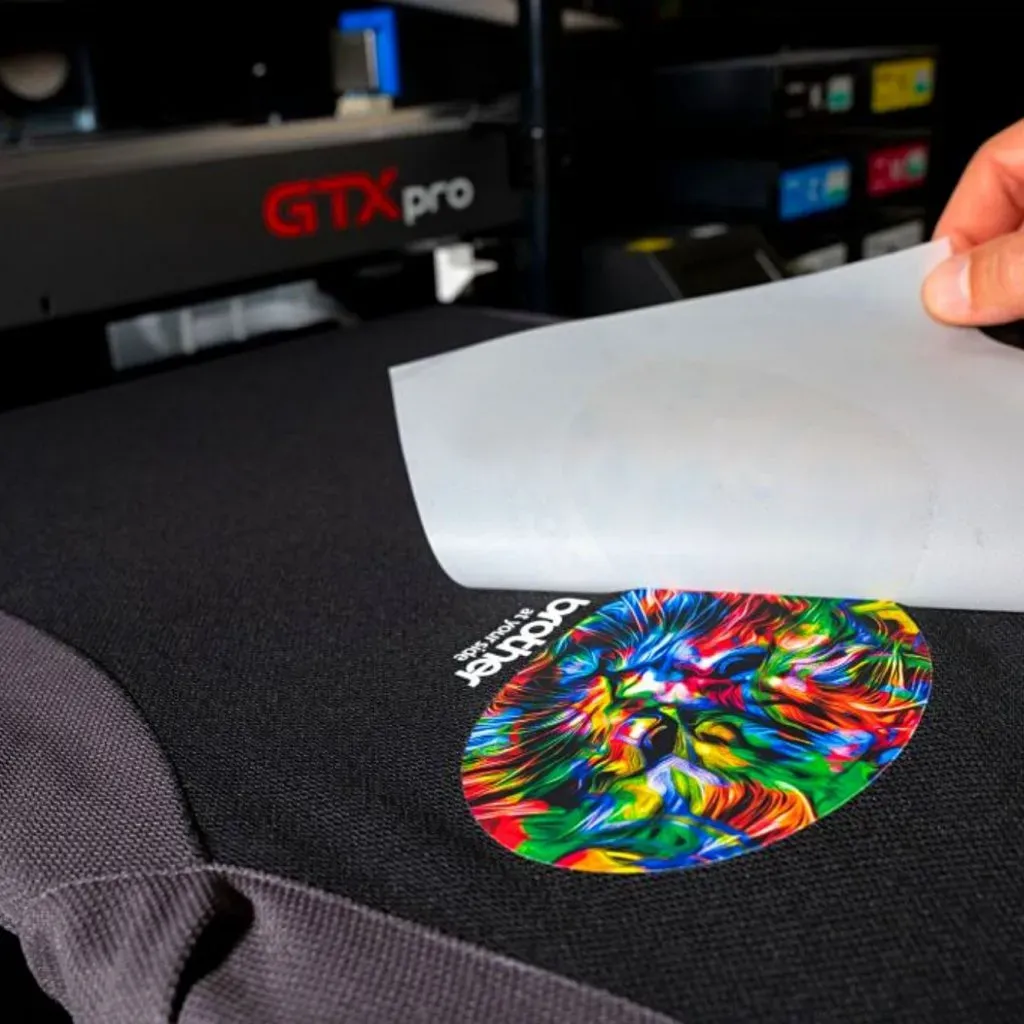
DTF printing, or Direct-to-Film printing, is rapidly revolutionizing the custom apparel industry with its innovative approach to fabric decoration. This print technology allows for high-quality prints to be created on a special film before being transferred onto garments, offering numerous DTF printing advantages such as vibrant colors and exceptional durability. Businesses that engage in sustainable printing practices are increasingly adopting this method, as it not only reduces waste but also appeals to environmentally conscious consumers. The ability to produce custom designs quickly and cost-effectively makes DTF printing an attractive option for both startups and established brands in the competitive marketplace. As demand for unique apparel continues to rise, understanding the benefits of DTF printing is essential for businesses looking to stay ahead of the curve.
When discussing Direct-to-Film printing, it’s important to note that this modern print solution goes by various names and alias terms that underscore its functionality and advantages. Often referred to as film transfer printing, this technology is designed for creating custom designs that can be easily applied to different types of fabrics. Its compatibility with a wide range of materials and high-quality output positions it as a frontrunner in the realm of custom textile production. Additionally, the trend towards sustainable printing significantly boosts its appeal, as more businesses prioritize eco-friendly practices without compromising on quality. Overall, the rise of DTF as a dominant print method highlights the industry’s shift toward innovative and personalized apparel solutions.
Understanding the Basics of DTF Printing
DTF printing, or Direct-to-Film printing, is a ground-breaking technique that has revolutionized the custom apparel industry. Unlike traditional printing methods that rely on screens, DTF printing employs a special film onto which designs are printed. This process not only ensures high-quality output but also allows for a greater variety of fabric materials to be utilized, including commonly used textiles like cotton and polyester. By understanding the mechanics of DTF printing, businesses can tap into an effective solution that merges innovation with practical application for their custom design needs.
Moreover, the DTF printing process is characterized by its use of durable eco-friendly inks that bond seamlessly with fabric, resulting in vibrant prints with longevity. This technology effectively addresses many challenges posed by other printing methods, such as compatibility with different materials or the need for extensive color screens. Essentially, DTF printing allows designers to create intricate, colorful designs tailored to specific market demands, making it a versatile choice for custom apparel.
Economic Benefits of DTF Printing for Startups
The economic advantages of adopting DTF printing are substantial, especially for startups and small businesses in the custom apparel sector. One key benefit is its cost-effectiveness; DTF printing significantly reduces production costs by eliminating the need for multiple screens required in traditional screen printing. This means that businesses can produce smaller batches of orders without incurring hefty expenses, making it an attractive option for independent designers and boutique shops.
Additionally, DTF printing’s relatively low investment cost for equipment and materials further incentivizes new entrants to the market. Startups can leverage this technology to offer personalized items, catering to niche markets that demand unique products. As a result, businesses can quickly adapt to trends and customer preferences without the financial burden typically associated with large production runs, thus fostering a more dynamic and reactive business model.
Versatility: Materials and Design Options
One of the most compelling features of DTF printing is its remarkable versatility when it comes to material compatibility. This printing technology is adept at handling a variety of fabric types, including cotton, polyester, and even blended textiles. Unlike direct-to-garment (DTG) printing, which often struggles with darker materials, DTF printing maintains its effectiveness across an extensive spectrum of fabrics. This broader compatibility opens up various design possibilities for custom apparel, allowing businesses to expand their product offerings.
Furthermore, DTF printing supports intricate designs, enabling the incorporation of detailed graphics, vivid colors, and mixed media. This flexibility equips designers with the creative freedom to experiment with combinations and styles that resonate with their target market. As a result, companies leveraging DTF printing find themselves well-positioned to not only meet consumer demands but also to differentiate their products in a competitive landscape.
Quality: Ensuring Durability and Vibrance
Quality is a pivotal consideration in any custom printing process, and DTF printing excels in delivering consistently high-quality results. The advanced ink technology utilized in DTF printing ensures that colors remain vibrant and rich even after numerous washes. This durability is crucial for apparel items that require longevity while maintaining their visual appeal, making DTF printing an excellent option for everyday wear and active clothing.
Moreover, the high-resolution printing capability of DTF allows for intricate designs to be produced with precision. Business owners looking to market their brands can be assured that the final products will reflect professionalism and quality, fostering customer loyalty. High-quality prints not only enhance the user experience but also set businesses apart in an oversaturated market where consumers have high expectations.
Sustainable Practices in DTF Printing
With consumers increasingly favoring eco-friendly products, sustainability in printing practices has never been more essential. DTF printing, thanks to its use of eco-conscious inks, aligns perfectly with this trend. Many companies producing DTF inks are adopting greener materials, thus ensuring that the overall process leaves a minimal environmental footprint. This aspect appeals to a growing demographic of environmentally conscious consumers who prioritize sustainable practices in their purchasing decisions.
By embracing sustainable DTF printing methods, businesses can not only fulfill their corporate responsibility but also enhance their brand image. Positioning yourself as a sustainable player in the custom apparel market can attract a dedicated customer base that values ethical consumerism. Therefore, adopting DTF printing not only furthers a company’s commitment to the environment but also serves as a strategic marketing tool.
Current Trends and Innovations in DTF Printing
The DTF printing industry is currently witnessing significant innovations that are reshaping how businesses operate. Recent technological advancements have streamlined the DTF process, making it more efficient and accessible. From improved printer capabilities to better quality inks, these developments empower businesses to produce higher quality prints in shorter timeframes. This adaptability positions companies to meet rising consumer demands effectively.
In addition, the digital marketplace’s growth has spurred increased interest in DTF printing, particularly for personalized apparel. Entrepreneurs are quick to recognize this opportunity, leading to a surge in education and training resources on DTF printing operations. Organizations are stepping up to provide courses and support, helping businesses optimize their DTF production processes and stay competitive in the fast-evolving market.
Frequently Asked Questions
What is DTF printing and how does it work?
DTF printing, or Direct-to-Film printing, is a cutting-edge print technology that allows designs to be printed onto a special transfer film before being heat-pressed onto fabrics. The process utilizes eco-friendly inks, making it an ideal choice for businesses looking to produce high-quality custom apparel.
What are the advantages of DTF printing compared to traditional methods?
DTF printing offers several advantages over traditional screen printing, including cost-effectiveness as it doesn’t require multiple screens for different colors, compatibility with a variety of fabrics (cotton, polyester, blends), vibrant and durable prints, fast turnaround times, and environmentally friendly options.
Is DTF printing suitable for small businesses and startups?
Yes, DTF printing is particularly suited for small businesses and startups due to its low initial investment and the ability to produce smaller batches without high costs. This flexibility allows new entrants in the custom apparel market to offer personalized products without significant financial risk.
How does DTF printing align with sustainable printing practices?
DTF printing aligns with sustainable printing practices by utilizing eco-friendly inks and reducing material waste compared to traditional methods. This addresses the growing consumer demand for sustainable apparel and allows businesses to lessen their environmental impact.
What types of fabrics are compatible with DTF printing?
DTF printing excels with a wide range of fabric types, including cotton, polyester, and their blends. It can even print effectively on darker fabrics, expanding the customization options available for businesses producing custom apparel.
What recent trends are shaping the DTF printing market?
Recent trends in the DTF printing market include rapid technological advancements that enhance printing efficiency and accessibility, a surge in demand for personalized apparel driven by e-commerce growth, and the availability of budget-friendly DTF printers that cater to small businesses.
| Key Point | Details |
|---|---|
| What is DTF Printing? | A printing technology where designs are printed on a special film and transferred onto fabric using heat. |
| Cost-Effectiveness | No need for expensive screens, allowing small batch productions at lower costs. |
| Wide Material Compatibility | Can print on a variety of fabrics including cotton, polyester, and blends, even on darker materials. |
| High-Quality Prints | Provides vibrant colors and durability, maintaining print quality after multiple washes. |
| Fast Turnaround Times | Quick setup and production processes, allowing businesses to respond rapidly to orders. |
| Environmentally Friendly Options | Utilizes eco-friendly inks, appealing to sustainability-conscious consumers. |
| Market Growth | The DTF market is expanding due to increased demand for personalized apparel. |
| Technological Advancements | Innovations in DTF tech improve printing efficiency and output quality. |
| Training and Education | Increased resources for entrepreneurs learning DTF operations. |
| Accessibility to Small Businesses | Affordable DTF printers now available for startups and small shops. |
Summary
DTF printing is revolutionizing the custom apparel industry by offering a cost-effective, versatile, and high-quality printing solution. As businesses increasingly seek to personalize their product offerings, DTF printing stands out for its ability to print on various fabrics while retaining vibrant colors and durability. The remarkable growth of the DTF market and advancements in technology are making this printing method more accessible, empowering small businesses to thrive in a competitive landscape. Ultimately, embracing DTF printing positions companies to meet modern consumer demands for uniqueness and quality, paving the way for greater innovation and market relevance.