
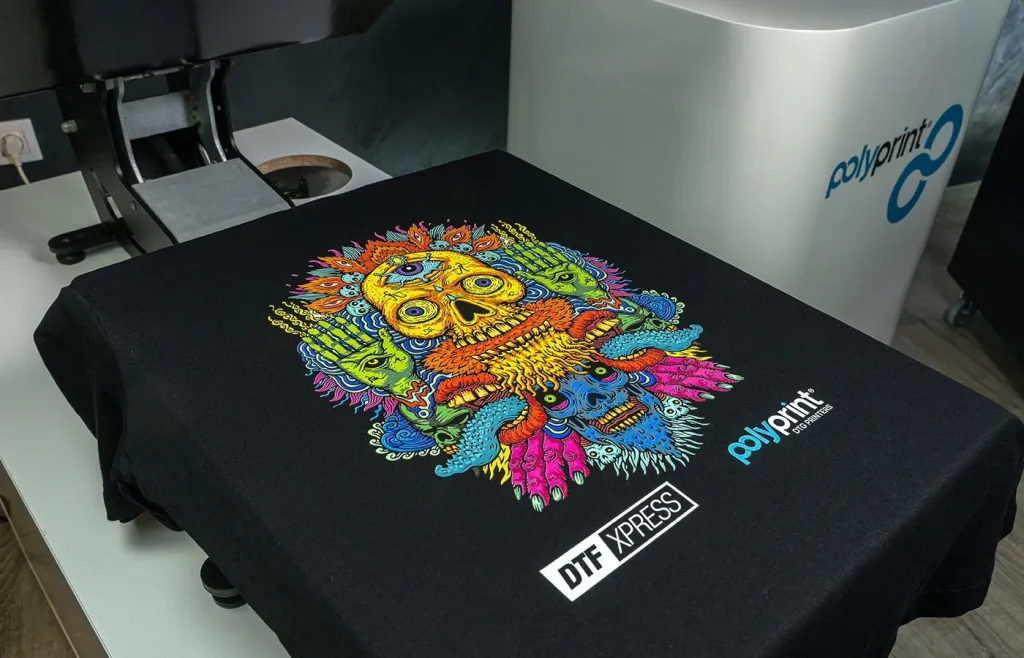
DTF printing, or Direct-to-Film printing, has revolutionized the world of custom apparel, emerging as a beacon of innovation in textile printing technology. This advanced method allows for stunningly detailed designs and vibrant colors, making it a favored choice for brands dedicated to apparel customization. Unlike traditional printing methods, DTF offers cost-effective solutions for both small and large runs, reaching a broad audience without sacrificing quality. Moreover, the eco-friendly printing options associated with DTF contribute to a more sustainable fashion industry, making it a responsible choice for businesses. As we delve deeper into this transformative technique, we will uncover its key advantages and explore its remarkable impact on the future of custom apparel production.
Direct-to-Film (DTF) printing, also known as film transfer printing, is a cutting-edge method that seamlessly applies intricate designs directly to textiles. This innovative printing process enhances the capabilities of custom garment production, allowing for superior color vibrancy and detailed artwork on a wide range of materials. As brands seek efficient and versatile apparel solutions, DTF technology stands out among other methods in the textile printing landscape. The introduction of eco-conscious approaches within this printing technique not only caters to the growing demand for sustainability but also supports brands in their quest to deliver personalized apparel. With its ability to facilitate quick turnarounds and small order fulfillment, DTF is poised to become a go-to choice for designers and businesses alike.
Understanding the Basics of DTF Printing
Direct-to-Film (DTF) printing has become a revolutionary method in the realm of custom apparel. In essence, this technology allows for the direct transfer of intricate designs onto garments using specialized films and high-quality inks. The process begins by printing the desired design onto a unique film, which is then cured with heat to ensure proper adherence. This transformative method is increasingly popular among designers who require detailed and vibrant graphics without the limitations associated with traditional printing techniques.
Moreover, DTF printing caters to a broad range of fabric types, such as cotton, polyester, and blends, offering incredible versatility for apparel businesses. Brands can create stunning apparel that meets diverse customer preferences, reinforcing their position in a competitive market. The capacity for customization combined with the straightforward production process makes DTF printing an appealing choice for many.
Why DTF Printing is Revolutionizing Custom Apparel
One of the major factors behind the rise of DTF printing in custom apparel is its ability to deliver vibrant colors and intricate design details. Unlike screen printing, which can lead to color restrictions due to its ink layering process, DTF printing can produce multiple colors in a single pass, resulting in high-definition images that stand out on any garment. This capability is particularly beneficial for brands looking to differentiate themselves through visually striking designs.
Additionally, DTF printing allows for faster turnaround times, which is vital in the fast-paced fashion industry. Brands can quickly adapt to changing trends and customer demands, ensuring they stay ahead of the competition. This speed not only enhances customer satisfaction but also encourages repeat business, as consumers are more likely to return for timely deliveries of high-quality custom apparel.
Cost Benefits of DTF Printing for Small Businesses
For small businesses, the cost-effectiveness of DTF printing relative to other methods like screen printing can be a game-changer. Traditional screen printing requires extensive setup costs, making it impractical for fulfilling smaller orders. In contrast, DTF eliminates such barriers, allowing entrepreneurs to produce custom designs economically, regardless of order volume. This affordability empowers startups and niche brands to experiment with their designs without the financial risk traditionally associated with custom apparel.
Furthermore, the lower material wastage associated with DTF printing enhances its cost-effectiveness. Innovative printing techniques ensure that every bit of ink is used efficiently, leading to reduced operational costs overall. As businesses strive to maximize profits while minimizing expenses, DTF printing emerges as a financially savvy choice worthy of consideration.
The Eco-Friendly Advantage of DTF Printing
In an era where sustainability is paramount, DTF printing offers an eco-friendly alternative to traditional printing methods. The process generates less waste, as it allows precise ink application that minimizes excess consumption. Brands can also utilize water-based inks and recyclable films, reducing their carbon footprint significantly and appealing to environmentally conscious consumers.
The adoption of DTF printing can also improve a brand’s sustainability narrative, positioning them favorably in the eyes of consumers who prioritize eco-friendly practices. This alignment with environmental values fosters brand loyalty and attracts a demographic that is increasingly inclined to support sustainable businesses.
Technological Innovations Shaping DTF Printing
Recent advancements in printing technology have further enhanced the capabilities of DTF printing. Innovations in printer resolution and ink quality enable businesses to produce high-definition designs that were previously unattainable with older technologies. Brands investing in the latest DTF equipment can offer superior quality products, setting themselves apart in a crowded market.
Additionally, continuous research and development in the field ensure that DTF printing remains competitive and evolves to meet the demands of the custom apparel landscape. This commitment to innovation is crucial, as businesses aim to maintain customer satisfaction while navigating the challenges of quality and production efficiency.
Market Trends and Future Projections for DTF Printing
The market for DTF printing is predicted to experience substantial growth in the coming years, driven by an increasing demand for customized apparel. Market analysts project that DTF technology could contribute significantly to the global textile printing market, which is anticipated to exceed $2.2 billion by 2026. This anticipated growth underscores the potential of DTF printing as more brands transition towards this flexible and efficient production method.
As DTF printing becomes more mainstream, businesses that integrate this technology into their operations are likely to see a competitive edge. By meeting the rising consumer demand for unique, personalized products, brands position themselves for success in an evolving market that values both quality and sustainability.
Frequently Asked Questions
What is DTF printing and how does it work in custom apparel?
DTF printing, or Direct-to-Film printing, is a revolutionary method used in custom apparel that involves printing designs onto a special film. This film is then heat-pressed onto garments, allowing for vibrant colors and detailed designs. The process streamlines apparel customization by eliminating the need for screens, making it ideal for small to medium runs.
What are the advantages of using DTF printing for eco-friendly printing?
DTF printing presents several eco-friendly advantages, such as reduced waste due to efficient ink usage and the elimination of excess materials. It also uses water-based inks and recyclable transfer films, making it a sustainable choice in textile printing technology as consumers become more environmentally conscious.
How does DTF printing compare to screen printing for custom apparel?
Compared to screen printing, DTF printing is more cost-effective for smaller runs as it does not require extensive setup costs. DTF also handles intricate designs and vibrant colors better, making it a superior choice for businesses looking to provide high-quality custom apparel with faster turnaround times.
Can DTF printing be used on a variety of fabrics?
Yes, DTF printing is highly versatile and can be applied to various fabrics including cotton, polyester, and blends. This flexibility allows custom apparel businesses to offer a broad range of products, from t-shirts to hoodies, catering to diverse customer needs.
What makes DTF printing a preferred choice for businesses dealing with custom apparel?
DTF printing is gaining popularity due to its efficiency and flexibility. It allows for detailed, high-quality designs with quicker production times and lower costs, making it an ideal option for businesses in the custom apparel industry looking to stay competitive and meet customer demands.
What technological advancements are influencing the future of DTF printing in the custom apparel market?
Recent innovations in DTF printing technology, including improved printer quality and ink formulations, are enhancing production capabilities. These advancements allow for higher resolution prints and a wider color palette, positioning DTF printing as a key player in the growing custom apparel market.
| Key Points | Details |
|---|---|
| What is DTF Printing? | DTF printing stands for Direct-to-Film printing, a process where designs are transferred onto garments using special films and inks. |
| Key Advantages | |
| 1. Vibrant Colors and Detailed Designs | Produces vivid colors and intricate details, ensuring long-lasting results without significant fading. |
| 2. Cost-Effective for Small Runs | Eliminates high setup costs associated with screen printing, making it affordable for smaller orders. |
| 3. Versatility in Material Usage | Works on various fabrics allowing businesses to expand their product offerings. |
| 4. Faster Turnaround Times | Speeds up the production process allowing quicker fulfillment of orders. |
| 5. Sustainable Printing Options | Generates less waste and utilizes eco-friendly materials, appealing to environmentally conscious consumers. |
| Key Developments in DTF Printing | |
| 1. Increased Adoption Across Industries | DTF printing is being widely adopted by apparel businesses due to efficiency and competitive pricing. |
| 2. Technological Advancements | Significant innovations have improved output quality and color choices available. |
| 3. Strong Market Growth Projections | Forecasts predict substantial growth in the textile printing market influenced by DTF technology. |
| 4. Continuous Research and Development | Challenges related to adhesive quality and fabric compatibility are under persistent study. |
Summary
DTF Printing is revolutionizing the custom apparel industry with its innovative approach to textile design and application. This process allows brands to deliver vibrant, high-quality prints efficiently and affordably, making it an optimal choice for small to medium production runs. Its versatility across various materials and commitment to sustainability further solidify its appeal in today’s eco-conscious market. As technological advancements continue to enhance the DTF printing process, we can expect this method to lead the charge in custom apparel, meeting evolving consumer demands while promoting sustainable practices.