
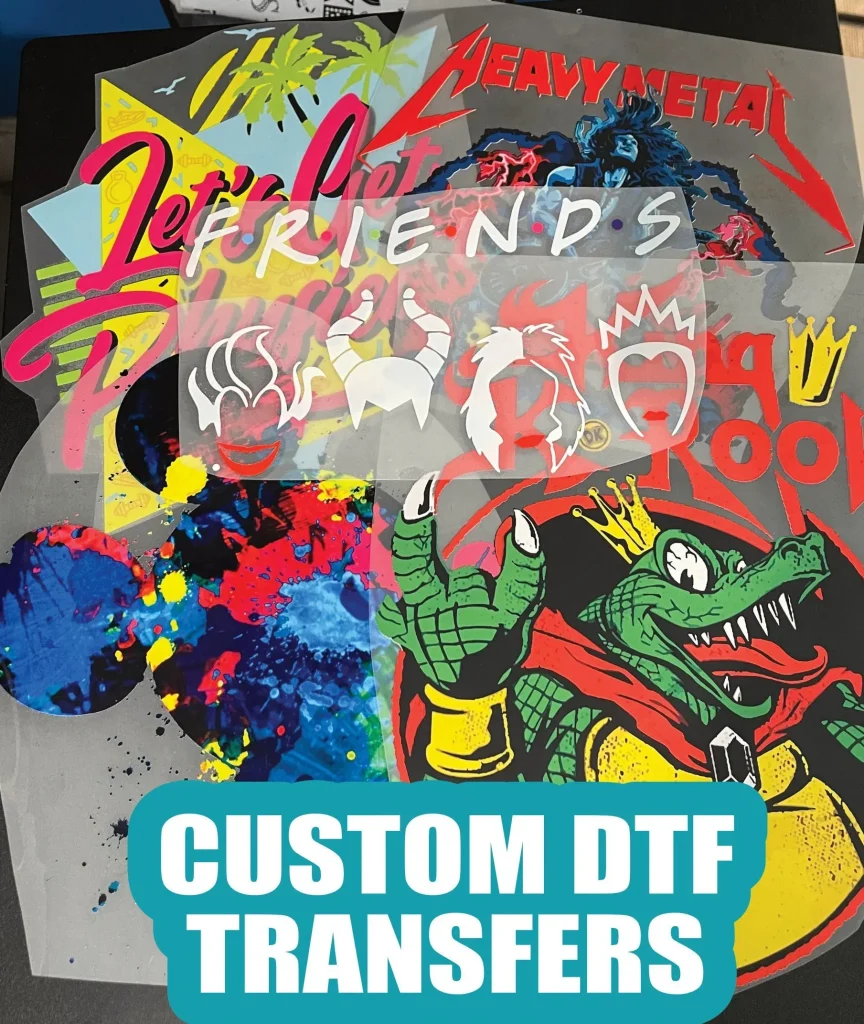
DTF transfers, or Direct-to-Film transfers, are revolutionizing the landscape of custom apparel printing by offering an efficient, versatile, and high-quality alternative to traditional methods like DTG printing, screen printing, and sublimation printing. This innovative technique enables intricate designs to be easily transferred onto various fabrics, providing businesses with the flexibility to create vibrant and detailed prints without the extensive setup required by screen printing. As more brands recognize the advantages of DTF printing, it is quickly becoming a preferred choice for custom designs, especially in an era where personalization is key. This blog will guide you through the intricacies of DTF transfers, comparing them against other popular printing methods to help you determine the best fit for your needs. Whether you’re a small business owner or a DIY enthusiast, understanding DTF’s place in the printing world is essential for making informed decisions in apparel creation.
Direct-to-Film printing, often abbreviated as DTF, has emerged as a groundbreaking method in the realm of garment decoration. Its ability to produce high-quality prints at a lower cost and with greater speed has made it a leading competitor to established techniques like Direct-to-Garment (DTG) printing and screen printing. Unlike sublimation printing, which is limited to synthetic materials, DTF offers compatibility with a wider array of textiles, making it ideal for custom apparel that cater to a diverse clientele. This approach is especially advantageous for businesses looking to produce eye-catching designs with vivid colors and fine detail. In this post, we will explore the advantages and applications of DTF transfers within the broader spectrum of printing technologies.
The Rise of DTF Transfers in Custom Apparel Printing
In recent years, DTF transfers have emerged as a popular choice in the realm of custom apparel printing. Unlike traditional methods such as DTG or sublimation, DTF, or Direct-to-Film printing, offers a unique blend of versatility and efficiency. This method is particularly well-suited to designs that are intricate or multi-colored, ensuring that the final product maintains high quality and vibrancy. As businesses recognize the potential of DTF, the demand for this printing technique continues to soar, positioning it as a game-changer in the textile industry.
Moreover, the growing trend of personalization in fashion has propelled DTF transfers into the spotlight. With its capability to handle small batch orders without the extensive setup times typical of screen printing, DTF offers a fantastic option for bespoke designs. This flexibility means entrepreneurs and small business owners can cater to a wider array of customer preferences, enhancing consumer engagement and fostering brand loyalty. The future looks bright for DTF transfers, especially as technology advances and the printing industry continues to evolve.
Frequently Asked Questions
What are DTF transfers and how do they work?
DTF transfers, or Direct-to-Film transfers, involve printing designs on a special film which is then heat-pressed onto textiles. This method allows for high-quality and vibrant designs that can adhere to various fabrics, making it versatile for custom apparel printing.
How does DTF printing compare to DTG printing?
When comparing DTF printing to DTG (Direct-to-Garment) printing, DTF generally requires a lower initial investment and provides better durability on various fabric types, especially non-treated dark fabrics. Both methods produce vibrant colors, but DTF is more suitable for intricate designs.
Is DTF printing more cost-effective than screen printing?
For small custom orders, DTF printing is more cost-effective compared to screen printing, which requires significant setup time and cost for larger runs. DTF allows for quick setups and can efficiently handle individual designs, making it ideal for personalized apparel.
What fabrics are compatible with DTF transfers?
DTF transfers are compatible with a wide range of fabrics, including cotton, polyester, and blends. This versatility sets DTF apart from sublimation printing, which primarily works on synthetic fabrics, limiting your options for custom apparel.
Can DTF transfers handle complex designs effectively?
Yes, DTF transfers excel at handling complex designs and gradients, offering superior results for intricate artwork compared to screen printing, which can struggle with layered images due to its traditional printing method.
What are the advantages of using DTF printing over sublimation?
DTF printing offers broader fabric compatibility compared to sublimation, which is limited to synthetic materials. Additionally, DTF maintains a good vibrancy and texture, while sublimated inks infuse directly into the fabric, giving it a different feel.
| Comparison Factors | DTF Transfers | DTG (Direct-to-Garment) | Screen Printing | Sublimation |
|---|---|---|---|---|
| Cost | Lower initial investment, can use common printers | Higher investment required for specialized printers | Cost-effective for bulk orders due to economies of scale | Limited by fabric type, typically for polyester only |
| Print Quality | Excels on varied fabrics, vibrant finish | High-quality, vibrant colors, best on cotton | Can struggle with complex designs due to limitations | Exceptional color output, but only on synthetic fabrics |
| Durability | Resistant to fading and washing, long-lasting | Durability may vary with washing conditions | Durable for bulk; screen layer can crack over time | Infused fabric is durable but limited to synthetics |
| Setup Time | Minimal setup time, fast for small orders | Requires setup for each garment design, slower | Setup time increases with colors and designs | Single piece orders can be limiting |
| Design Complexity | Excels in printing intricate and multi-colored designs | Good for single-layer designs on textiles | Limited for intricate designs due to layering issues | Great for all-over prints but limited by fabric choice |
Summary
DTF Transfers are emerging as a leading method in custom apparel printing, offering a flexible and efficient solution for businesses and consumers alike. With advantages in cost, print quality, and the ability to handle complex designs across various fabrics, DTF is becoming a preferred choice over traditional methods like DTG, screen printing, and sublimation. This rise in popularity is attributed to the increasing demand for personalized apparel and the technological advancements that enhance the printing process. As the market evolves, understanding the distinctions between these printing technologies is key for making informed choices in the competitive landscape of apparel customization.