
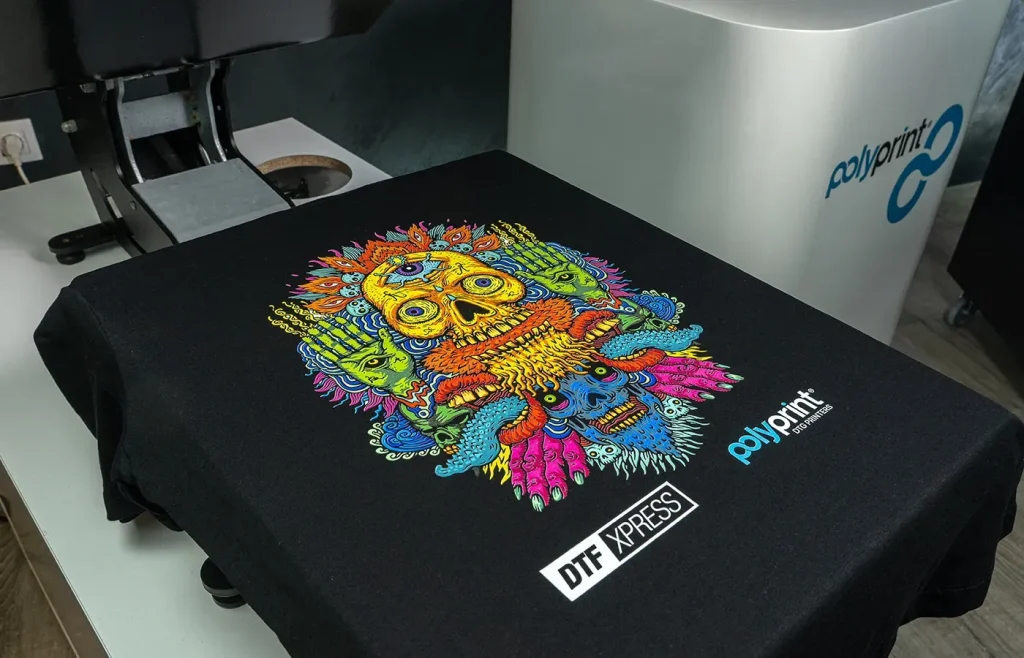
In the rapidly changing landscape of custom apparel, DTF printing, or Direct-to-Film printing, is transforming how designs are created and delivered. This innovative technology efficiently transfers stunning, detailed images onto garments, opening new avenues for apparel customization. As brands are increasingly leaning towards sustainable printing solutions, DTF printing stands out due to its lower waste and on-demand production capabilities. With vibrant colors and exceptional quality, this method caters to both individual designers and larger manufacturers, making it a favorite in the industry. In this article, we will delve into the multitude of DTF printing benefits that are not only enhancing operational efficiency but also aligning with consumer demands for personalized, eco-friendly products.
As the custom apparel market evolves, one cannot overlook the impact of advanced printing techniques, often referred to as Direct-to-Film or DTF methodologies. These modern approaches are reshaping the production processes, enabling the swift creation of custom garments that resonate with unique consumer demands. By focusing on apparel personalization and sustainable practices, these innovative printing solutions are setting new standards for quality and creativity in the fashion industry. With the ability to deliver intricate designs with ease, it’s clear that this technology is not just a trend, but a significant shift towards a more tailored and environmentally conscious future for clothing.
Understanding Direct-to-Film (DTF) Printing
Direct-to-Film (DTF) printing is an advanced technology that has rapidly gained ground in the custom apparel market. By allowing print designs to be rendered on a specialized film before being transferred to clothing, DTF eliminates many of the constraints found in traditional printing methods. This process not only enhances the vibrancy of colors but also ensures intricate designs can be accurately printed on a variety of fabrics. As companies look to meet growing demand for unique, personalized apparel, DTF printing remains at the forefront of innovative solutions, enabling creators to easily experiment with designs.
Unlike Direct-to-Garment (DTG) printing, DTF does not require extensive pre-treatment of fabrics, which makes it a more straightforward option for many manufacturers. Because of its versatility, DTF has quickly become a go-to for apparel customization, empowering designers of all sizes—from hobbyists to commercial brands—to craft products that stand out in a crowded marketplace. This technology’s rise exemplifies the shift toward increased personalization in fashion, as businesses adapt to consumer preferences for distinct, high-quality products.
Exploring the Benefits of DTF Printing for Custom Apparel
DTF printing is heralded for its efficiency and seamless integration into quick-turnaround projects, making it particularly advantageous for small and medium-sized businesses. With a reduced production time compared to traditional methods like screen printing, companies can fulfill orders with impressive speed without compromising on quality. This efficiency is vital in today’s fast-paced apparel market, where consumers often demand quick delivery times and tailored products that reflect their personal taste.
Moreover, the cost-effectiveness of DTF printing cannot be overlooked. Unlike screen printing, which typically enforces minimum order quantities, DTF allows for smaller orders that are economical for businesses just starting out. This flexibility paves the way for entrepreneurs and independent designers to launch their own apparel lines without facing prohibitive costs, making DTF printing an incredibly relevant technology in the realm of custom apparel.
DTF Printing: Enhancing Quality and Creativity in Apparel Design
One of the standout features of DTF printing is its ability to produce captivating colors and fine details, elevating the overall quality of custom apparel. DTF prints are known for their exceptional color fidelity and the ability to adhere to a wide range of fabrics, including cottons and polyesters. This compatibility allows designers an unprecedented level of creativity, enabling them to explore intricate patterns and gradients that were previously difficult to execute with traditional printing techniques.
Furthermore, DTF allows for an unmatched level of detail in designs, making complex artwork and custom images more achievable. As more designers gravitate toward personalization and unique branding solutions, DTF printing provides the tools to create visually stunning apparel. This capability aligns perfectly with current trends where consumers are increasingly seeking garments that tell their individual stories or reflect their personal style, positioning DTF as a strong ally in this innovative apparel landscape.
Accessibility and Flexibility of DTF Printing for Small Businesses
The flexibility of DTF printing opens doors for many small businesses aiming to make a mark in the custom apparel industry. Given that DTF does not mandate high minimum order quantities, entrepreneurs can produce customized items in limited runs. This accessibility democratizes apparel production, allowing small operations to compete with larger brands without significant financial burdens. It creates opportunities for individual designers to thrive by transforming their ideas into tangible products while maintaining lower overhead costs.
Additionally, the versatility of DTF printing supports various applications beyond just apparel, expanding its reach into different merchandise sectors such as accessories, home goods, and promotional items. The ability to adapt to consumer demands means businesses can easily pivot and experiment with new product lines, tailoring their offerings to meet market wishes while ensuring their brand stays fresh and relevant.
Sustainable Solutions with DTF Printing
As sustainability becomes a pivotal consideration in the fashion industry, DTF printing positions itself as a sustainable solution. By supporting on-demand production, DTF helps eliminate excess inventory and reduce waste—a significant contributor to environmental degradation in traditional apparel manufacturing. Brands embracing sustainability can leverage DTF to align with consumer needs for eco-friendly options without sacrificing the quality and creativity that customers expect from custom apparel.
Moreover, the precise nature of DTF printing processes reduces the need for harsh chemicals used in other printing methods, contributing further to its sustainability credentials. As the fashion sector grapples with its environmental impact, DTF printing stands out as a forward-thinking option that allows businesses to achieve their sustainability goals while providing high-quality, customizable products to their clientele.
The Future Growth of DTF Printing in Custom Apparel
Looking ahead, the future of DTF printing in the custom apparel industry appears bright, with strong indicators of continued growth and adoption. As demand for personalized and unique fashion products surges, DTF technology is likely to evolve further, offering enhanced capabilities and possibly even new innovations in printing methods. This growth will be driven by changes in consumer preferences that favor customization, sustainability, and quality—elements that DTF printing integrates seamlessly.
Furthermore, industry trends suggest that training and education in DTF printing technology will expand, equipping new entrepreneurs and established manufacturers with the skills needed to maximize this technology’s potential. The evolution of DTF printing establishes a foothold for brands that wish to innovate and respond adeptly to market dynamics, ensuring they remain competitive in an ever-changing landscape that values creativity and uniqueness.
Frequently Asked Questions
What is DTF printing and how does it work in custom apparel production?
DTF printing, or Direct-to-Film printing, is a digital printing technique where designs are first printed on a special film and then transferred onto garments. This method allows for vibrant colors and intricate designs on various fabrics like cotton and polyester, revolutionizing custom apparel production.
What are the key benefits of DTF printing for custom apparel businesses?
DTF printing offers numerous benefits, including faster production times, vibrant print quality, lower minimum order quantities, and reduced waste. This makes it an ideal choice for custom apparel businesses looking to enhance efficiency and meet the growing demand for personalized designs.
How does DTF printing support sustainable printing solutions?
DTF printing supports sustainable printing solutions by facilitating on-demand production, which minimizes waste and helps reduce excess inventory. This eco-friendly approach aligns well with the industry’s shift towards sustainability, allowing brands to create custom apparel while reducing their environmental impact.
Can DTF printing be used for different fabric types in custom apparel?
Yes, DTF printing is highly versatile and can be used on a variety of fabric types, including cotton, polyester, and blends. This adaptability makes it a popular choice for custom apparel, allowing for innovative designs across different materials.
What makes DTF printing a game-changer in apparel customization?
DTF printing is a game-changer in apparel customization due to its ability to produce high-quality prints with intricate details while accommodating small order quantities. This flexibility allows brands and individual designers to create personalized apparel without facing large upfront costs.
What challenges should businesses consider when adopting DTF printing for custom apparel?
When adopting DTF printing, businesses should be aware of challenges such as the learning curve associated with the technology, the need for high-quality films and inks, and proper training for staff. Ensuring quality control is essential to maintain the durability and vibrancy of prints.
| Key Point | Description |
|---|---|
| What is DTF Printing? | A digital printing technique transferring designs onto garments using a special film, offering vibrant colors and detailed designs. |
| Advantages of DTF Printing | 1. Efficiency and Cost-Effectiveness: Faster production times, ideal for small businesses. 2. Quality and Versatility: Offers vibrant colors with excellent adherence to various fabrics. 3. Lower Minimum Order Quantities: Allows for smaller orders, making it accessible for small businesses. 4. Sustainability: Reduces waste through on-demand production. 5. Commercial Growth: Increased market adoption and consumer demand for personalization. |
| Future Trends | DTF printing is set to influence manufacturing trends, demanding high-quality materials and training while promoting sustainability. |
| Conclusion | DTF printing is reshaping the custom apparel industry by enhancing efficiency, quality, and sustainability while accommodating smaller orders to attract diverse consumers. |
Summary
DTF printing is revolutionizing the custom apparel industry by providing an efficient and flexible solution for designers and brands alike. This cutting-edge technology allows for faster production, lower minimum order quantities, and vibrant, high-quality prints. As sustainability becomes a more significant concern among consumers, DTF printing also addresses environmental challenges by minimizing waste through its on-demand capabilities. With these advantages, the adoption of DTF printing is expected to continue to rise, leading to an exciting future for custom apparel production.