
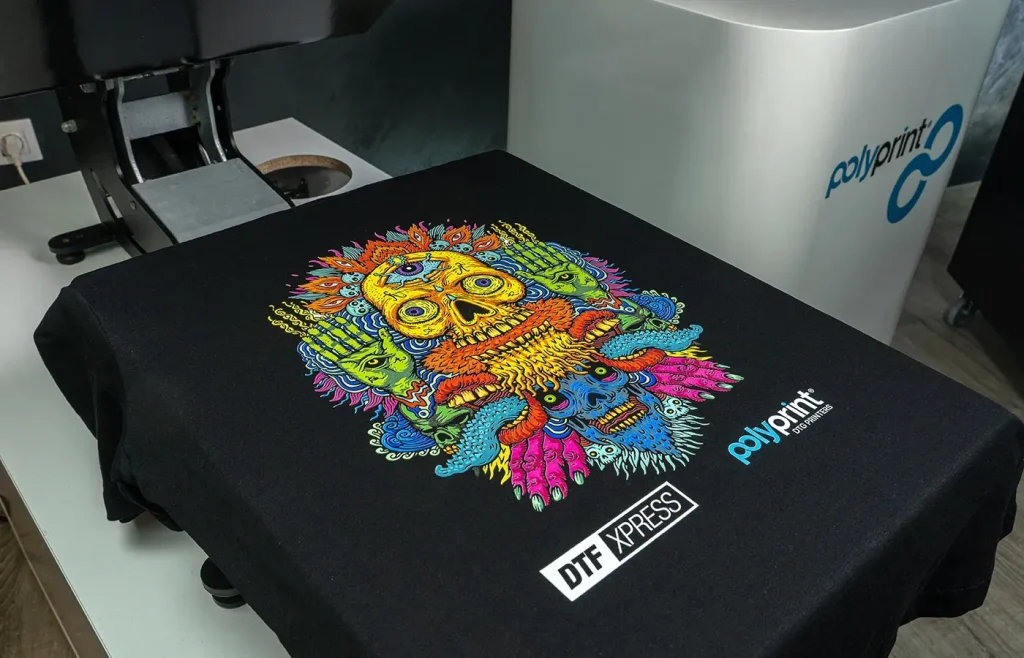
DTF printing, or Direct to Film printing, is making waves in the world of fabric printing, providing a revolutionary solution for custom textile designs. This innovative printing technology offers numerous benefits, including vibrant colors, detail retention, and the ability to print on various fabric types. With the DTF printing process, users can seamlessly create intricate designs with multiple colors in a cost-effective manner, especially for small batch productions. This guide delves into the fundamental aspects of DTF printing technology, exploring its diverse applications and how it outperforms traditional methods like screen printing. By understanding the best practices and processes behind DTF printing, both businesses and creatives can unleash their potential in the competitive landscape of garment and textile design.
Known as Direct to Film printing, DTF printing has emerged as a transformative technique in the textile printing industry. This method allows for the application of vivid, complex designs on a variety of fabrics, utilizing advanced technology to ensure high-quality output. As an alternative to older printing styles, DTF printing streamlines the process and enhances flexibility, making it ideal for both entrepreneurs and artists. By leveraging the unique attributes of this printing method, users can achieve remarkable results while minimizing waste. In this guide, we will uncover essential insights into DTF technology, its advantages, and the recommended steps for successful printing.
Exploring the Versatility of DTF Printing
DTF printing stands out due to its remarkable versatility, allowing designers to work with a myriad of fabric types, including cotton, polyester, blends, and even dark textiles. This technology empowers businesses to cater to diverse customer demands by producing custom garments that not only look great but also feel comfortable on various materials. The adaptability of DTF means it’s especially suited for the evolving fashion landscape where trends change rapidly and custom orders are on the rise.
Furthermore, the versatility of DTF is not limited to fabric types; it also encompasses the ability to create intricate designs with vibrant colors. Designers can explore a wide range of artistic possibilities without worrying about color limitations commonly faced in traditional screen printing. With DTF, multiple colors can be printed in a single pass, offering a seamless solution for those looking to bring their creative visions to life.
Understanding the DTF Printing Process
The DTF printing process is an essential aspect that sets it apart from other printing methods. It begins with designing artwork using graphic design software, which is then printed onto a specialized transfer film. Key to this process is the application of a heat-sensitive powder adhesive that ensures long-lasting adhesion when transferred to fabric. Each step—from design preparation to final transfer—requires precision and attention to detail to achieve stunning results.
After adhering the powder, the film goes through a curing stage, which activates the adhesive and prepares it for transfer onto the intended fabric. This systematic approach allows for consistent quality across all prints, making DTF printing a preferred choice for many in the textile industry. Understanding these process intricacies not only enhances print quality but also contributes to manufacturing efficiency.
As a bonus, experimenting with different materials and settings during the printing process can yield unique effects, further showcasing the versatility of DTF technology.
Key Benefits of DTF Printing for Businesses
DTF printing offers numerous benefits for businesses looking to expand their printing capabilities. One significant advantage is its cost-effectiveness, especially for small batch productions. Unlike traditional printing methods that may require expensive setups and higher minimum orders, DTF allows businesses to print smaller quantities without sacrificing quality. This affordability is particularly beneficial for startups and individual artists who want to explore custom printing options without heavy financial risks.
Moreover, DTF printing ensures that vibrant and detailed designs maintain their integrity even after numerous washes, a crucial factor for apparel and other textile products. This longevity enhances customer satisfaction and loyalty, as clients receive products that not only look good but also last longer. Issuing products with these benefits can significantly boost a brand’s reputation in a crowded market.
Best Practices for Achieving Quality DTF Prints
To ensure high-quality prints, following best practices in DTF printing is imperative. One of the most critical steps involves proper pre-treatment of fabrics, which greatly improves adhesive bonding, especially on synthetic materials. Implementing this practice can drastically enhance the final product, leading to fewer returns and increased customer satisfaction.
Additionally, investing in quality inks and films can make a significant difference in the output. Quality materials not only help in achieving vibrant colors but also ensure durability, as inferior materials often lead to poor results. Regularly maintaining your DTF equipment and conducting test runs will also provide insights into the best settings and routines that work for different fabrics, ultimately leading to a more efficient production process.
Innovating with DTF Printing Technology
As DTF printing technology continues to evolve, it presents exciting opportunities for innovation in the textile industry. Businesses are leveraging this technology to create unique products that appeal to niche markets. For instance, because of DTF’s high customization capability, brands can create limited edition designs that draw in collectors and enthusiasts, contributing to heightened brand loyalty.
Additionally, advancements in DTF printers have accelerated production efficiency and reduced costs. New printer models allow for faster printing speeds without compromising quality, thus empowering businesses to meet tight deadlines and large orders. This adaptability positions DTF printing as a cutting-edge solution for staying competitive in a rapidly evolving market.
Choosing the Right DTF Printer for Your Business
Selecting the appropriate DTF printer is crucial for achieving optimal results in your printing business. Considerations should include the printer’s capabilities—such as print resolution, speed, and compatibility with various materials. Investing in a high-quality DTF printer can significantly impact the quality of your output and overall business efficiency.
Furthermore, conducting thorough research on the printer model’s maintenance needs and customer service can prevent potential issues down the line. A reliable printer with solid technical support can ease the learning curve associated with transitioning to DTF printing and can significantly enhance productivity in the long run.
Frequently Asked Questions
What are the key benefits of DTF printing for businesses?
The benefits of DTF printing for businesses include versatility across various fabric types, vibrant and detailed prints, and no color limitations. Additionally, DTF is cost-effective for small runs, allowing startups and custom apparel makers to produce high-quality designs without incurring substantial costs.
Can you explain the DTF printing process step-by-step?
The DTF printing process involves several steps: 1) Design Preparation – creating a design in graphic software; 2) Applying Powder Adhesive – using heat-sensitive adhesive on the printed film; 3) Curing the Film – activating the adhesive with heat; 4) Transferring the Design – using a heat press to transfer the design onto fabric; 5) Peeling the Film – removing the film to reveal the finished print.
What best practices should be followed for successful DTF printing?
Best practices for DTF printing include proper fabric pre-treatment to enhance adhesion, using quality materials like inks and films designed for DTF, adjusting temperature and pressure based on fabric type, conducting test runs before production, and maintaining your DTF printer to ensure quality and consistency.
How does DTF printing compare to traditional screen printing?
DTF printing offers significant advantages over traditional screen printing by eliminating the need for separate screens for each color, allowing for more complex designs in a single print run. Additionally, DTF is more cost-effective for small batches and provides vibrant, high-quality prints without color limitations.
What types of fabrics can be used with DTF printing technology?
DTF printing technology is highly versatile and can be used on a wide range of fabrics, including cotton, polyester, blends, and even dark fabrics. This flexibility makes DTF an ideal choice for various applications in custom garments and textiles.
Is DTF printing durable for everyday use?
Yes, DTF printing is known for its durability and ability to maintain color integrity even after multiple washes. As long as quality materials and proper techniques are used, DTF prints can withstand frequent use, making them suitable for clothing and promotional items.
| Key Points | Details |
|---|---|
| Introduction | DTF (Direct to Film) printing is a revolutionary method in textile printing that provides high-quality and versatile options. |
| Benefits of DTF Printing | 1. Versatility across various fabric types. 2. Produces vibrant and detailed prints. 3. No color limitations, simplifying production. 4. Cost-effective for small runs, reducing waste. |
| The DTF Printing Process | 1. Design preparation with graphic design software. 2. Applying powder adhesive to the printed design. 3. Curing the film to activate adhesive. 4. Transferring the design onto the fabric. 5. Peeling the film to reveal the final print. |
| Best Practices for DTF Printing | 1. Ensure proper fabric pre-treatment. 2. Use high-quality inks and transfer films. 3. Adjust temperature and pressure settings to suit fabric types. 4. Conduct test runs before large orders. 5. Maintain equipment for consistent results. |
Summary
DTF Printing has emerged as a frontrunner in modern textile printing technology, offering unmatched versatility and high-quality results. This innovative method allows for vibrant color reproduction and intricate designs on various fabric types, catering to both individual artists and businesses alike. By understanding the benefits, mastering the printing process, and adhering to industry best practices, you can achieve stunning prints that capture attention and withstand the test of time. Embracing DTF printing opens up new creative possibilities and can significantly enhance your apparel and textile production advantageously.