
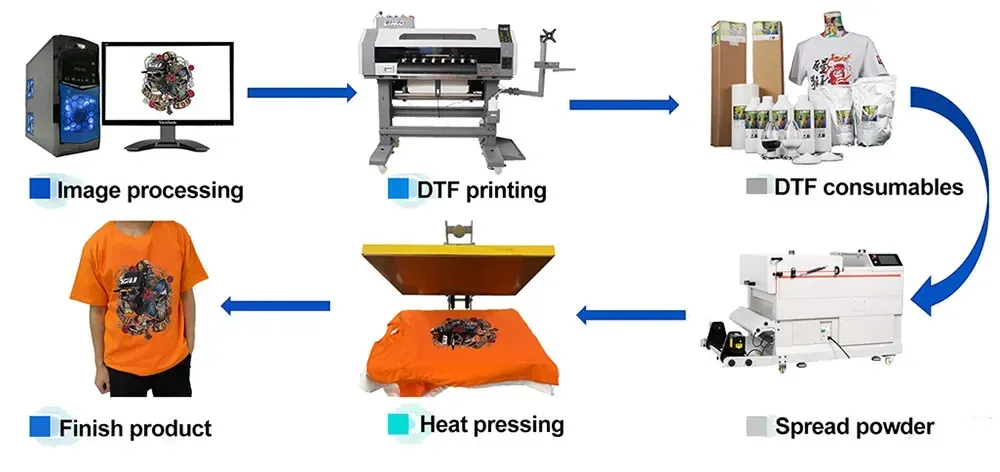
DTF printing techniques are revolutionizing the world of custom garment printing, offering innovative and creative printing solutions for designers and enthusiasts alike. This cutting-edge technology, which stands for Direct-to-Film printing, allows for vibrant, high-quality designs to be produced on a wide range of fabrics, providing greater versatility than traditional methods like screen printing. As the printing industry evolves, DTF techniques have become a game-changer, enabling users to unleash their creativity without the limitations imposed by older technologies. In this article, we will delve into the unique advantages of DTF printing as compared to sublimation and other methods, highlighting why this new printing technology is rapidly gaining popularity. Whether you’re a seasoned professional or a hobbyist, exploring DTF printing techniques can significantly enhance your creative projects.
When it comes to innovative methods in custom fabric artwork, Direct-to-Film (DTF) printing represents a groundbreaking approach that is reshaping the landscape of creative textile design. This advanced printing technique enables designers to apply intricate, colorful graphics directly onto films, which are then easily transferred onto diverse materials like cotton and polyester. As the demand for personalized and distinctive apparel grows, the versatility of DTF provides an appealing alternative to conventional printing processes, such as heat transfer and dye sublimation. With its rising prominence in the market, many are drawn to the compelling benefits that DTF offers, from efficient production to stunning output quality. This introduction to DTF printing techniques will explore how they can amplify artistic expression and redefine custom garment printing.
Understanding DTF Printing and Its Innovations
Direct-to-Film (DTF) printing is a cutting-edge technique that combines artistry with technology, allowing designers to create intricate and vivid designs on a variety of fabric types. The essence of DTF printing lies in its method of transferring designs from a special film to fabric via heat, which not only preserves the integrity of the colors but also ensures a soft feel on the material. The process is gaining traction due to its unique ability to handle complex graphics, making it a versatile choice for both professional and hobbyist printers alike.
Moreover, recent advancements in DTF printing technology have significantly improved the quality and efficiency of prints. As companies like Brother and Mimaki continue to evolve their equipment, users are witnessing enhancements that allow for larger-scale productions without sacrificing detail or vibrancy. This innovation in technology is what makes DTF printing stand out, as it merges artistic creativity with reliable output, enabling designers to push creative boundaries more than ever before.
Benefits of DTF Printing for Creative Solutions
One of the primary advantages of DTF printing is its compatibility with a diverse range of materials. Unlike traditional methods such as apparel screen printing, which may be limited to certain fabric types, DTF allows for custom garment printing across a spectrum, including cotton, polyester, and blends. This ability to print on multiple surfaces opens up avenues for designers who wish to experiment with textures and styles, broadening creative possibilities.
In addition to versatility, DTF printing is a cost-effective solution for those looking to start their own printing ventures. Its lower overhead costs make it accessible for small businesses and individual artists. As hobbyists turn into entrepreneurs, DTF provides an economical entry point into the realm of creative printing solutions, encouraging more individuals to pursue their passions and ideas without significant financial barriers.
Getting Started with DTF Printing
Embarking on a DTF printing journey involves several key steps that can dramatically affect the quality of your outcomes. First and foremost, investing in high-quality equipment is paramount. Look for printers that are specifically designed for DTF printing, such as those offered by leading manufacturers. The right machinery not only optimizes the printing process but also enhances the finished product, ensuring that designs maintain their integrity and vibrancy.
Additionally, understanding the materials required for DTF printing, such as specialized inks and transfer films, is essential for achieving great results. The choice of inks can significantly impact the color vibrancy and the durability of the prints. Meanwhile, selecting high-quality transfer films that allow for better adhesion will ultimately lead to more effective transfers and longer-lasting designs. This foundational knowledge is key to mastering DTF printing techniques and maximizing creativity.
Maximizing Creativity with DTF Printing Techniques
DTF printing opens the door for designers to unleash their creativity and explore innovative design concepts. One exciting approach is to create collage designs that meld various styles and techniques together. The precision and detail achievable with DTF printing lend themselves perfectly to creating complex, layered looks that capture attention and showcase unique artistic voices. Designers can experiment with different graphic elements, textures, and colors to make statements that resonate.
Furthermore, the vibrant color capabilities of DTF printing encourage artists not to hold back when it comes to selecting palettes. By utilizing bold colors and intricate designs, creators can craft visually stunning pieces that stand out in any collection. Whether designing garments for fashion statements or custom merchandise for events, the vividness achievable through DTF printing fuels creativity and inspires new trends.
DTF vs Sublimation Printing: Key Differences
When considering printing techniques, many creatives find themselves evaluating DTF printing against sublimation printing. While both methods offer excellent results, they differ significantly in application and suitability for various fabrics. DTF printing can be utilized on a broader range of materials, notably cotton and some blended fabrics, whereas sublimation is primarily best suited for polyester or polymer-coated bases. This distinction makes DTF the better option for custom garment printing across diverse textile types.
Another critical aspect where DTF printing shines is its lower startup costs and minimal equipment requirements. Newcomers to the printing world often find sublimation to be more daunting due to the high initial investment and specific material requirements. In contrast, DTF presents an accessible entryway into creative printing, offering a simpler and more flexible approach to design and production.
The Future of DTF Printing Technology
As DTF printing continues to grow in popularity, ongoing technological advancements promise to transform the landscape of custom garment printing. Industry leaders are continually innovating to enhance printing capabilities, speed, and efficiency. Sorces report that emerging DTF technology not only streamlines the printing process but also introduces more sophisticated features that cater to the evolving needs of both professional and amateur designers.
Looking ahead, we can expect even greater integration of artificial intelligence and automation in DTF printers, which will provide users with unparalleled support in design and production processes. This evolution is aimed at maximizing creativity by reducing manual labor and enhancing precision, allowing designers to focus on what truly matters: creating stunning artworks that resonate with their audience.
Frequently Asked Questions
What is DTF printing and how does it work?
DTF printing, or Direct-to-Film printing, is an innovative technique that prints designs onto a special film, which is then transferred to fabric using heat. This method allows for high-quality full-color prints on various materials, providing vibrant, durable, and flexible designs that cater to diverse garment printing needs.
What are the advantages of DTF printing compared to sublimation techniques?
DTF printing offers several advantages over sublimation, including its ability to print on a wider variety of fabrics, such as cotton and blends. It also requires lower setup costs and provides detailed, colorful designs while maintaining fabric softness, making it a cost-effective and versatile choice for custom garment printing.
How can I maximize creativity in my DTF printing projects?
To maximize creativity with DTF printing techniques, explore using bold colors and combined design elements for unique prints. Experiment with graphic design software for intricate patterns and consider personalized custom merchandise, which allows for leveraging the vibrant output quality that DTF provides.
What equipment do I need to get started with DTF printing?
To start with DTF printing, invest in quality printers from reputable brands like Brother or Mimaki that specialize in DTF technology. Additionally, ensure you have high-quality inks and transfer films to achieve the best results in your custom garment printing projects.
How does DTF printing simplify the garment printing workflow?
DTF printing simplifies the garment printing workflow through user-friendly processes and advanced machines that streamline production. This technology minimizes setup time and enhances the quality of outputs, making it easier for both professionals and newcomers to engage in creative printing solutions.
Can DTF printing be used for small-scale production?
Yes, DTF printing is particularly suitable for small-scale production due to its cost-effectiveness and low setup costs. This makes it an ideal solution for hobbyists or businesses looking to produce custom garments without investing heavily in traditional printing technologies.
| Key Point | Description |
|---|---|
| What is DTF Printing? | Innovative printing technique that transfers designs onto fabrics using heat for vibrant, durable results. |
| Advantages of DTF Printing | Versatile across fabrics, cost-effective, high-quality output, simplified workflow, and durable designs. |
| Getting Started | Invest in quality equipment, choose suitable inks and films, design flexibly, learn the printing process, and conduct tests. |
| Maximizing Creativity | Encourage collage designs, bold colors, custom merchandise, and interactive designs for unique outputs. |
| Recent Developments | Companies like Brother and Mimaki innovate DTF printers improving efficiency, catering to hobbyists due to lower costs. |
Summary
DTF printing techniques represent a transformative advancement in garment printing, offering versatile solutions for designers and hobbyists aiming to enhance their creativity. With capabilities that extend across numerous fabrics and the promise of vibrant, high-quality outputs, these techniques are becoming increasingly indispensable in the industry. As technology continues to evolve, so too will the opportunities for creative expression in design, making DTF printing techniques a cornerstone for anyone looking to innovate and stand out in the world of textile printing.