
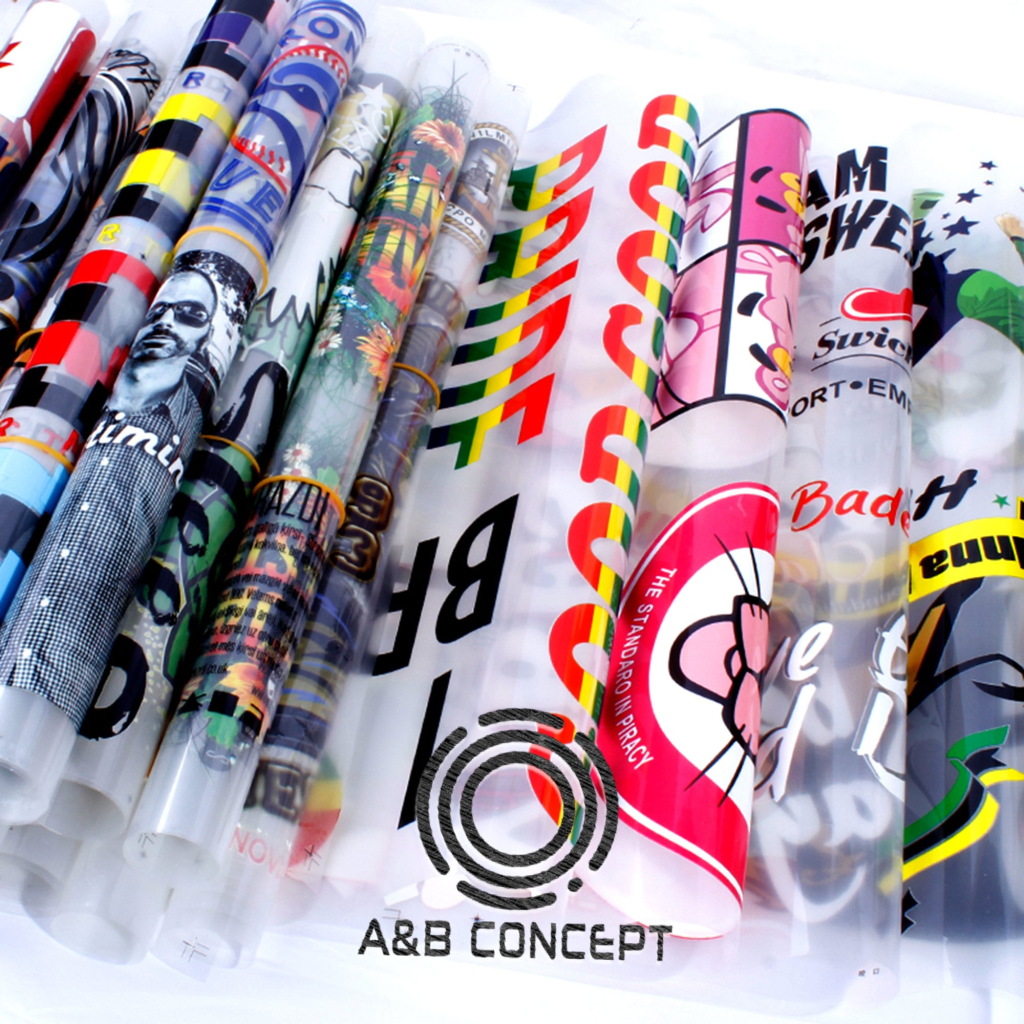
DTF transfers are revolutionizing the world of custom apparel printing with their innovative approach and remarkable versatility. This cutting-edge technique, known as Direct-to-Film (DTF) printing technology, allows for vibrant and durable designs on a variety of fabrics. As sustainability becomes a focal point in manufacturing, DTF printing emerges as a favorable option combining eco-friendly practices with high-quality outputs. Unlike traditional methods, this print-on-demand apparel solution minimizes waste while providing the artistic freedom that modern creators desire. In this article, we’ll delve into the key advantages of DTF transfers and explore why they stand out in the competitive landscape of custom printing.
Understanding DTF printing, or Direct-to-Film printing, is essential for anyone interested in advanced garment decoration techniques. This process involves the transfer of high-definition images from a specially coated film to fabric using heat and pressure, enabling detailed designs that can cater to diverse textiles. This modern method stands in stark contrast to traditional sublimation or screen printing techniques, offering greater flexibility and reducing material waste. As the demand for personalized and unique custom apparel continues to rise, the DTF approach is gaining traction in the print-on-demand sector, appealing to businesses and consumers aiming for high quality with sustainable solutions. Through this exploration, we will uncover the transformative impacts of DTF transfers on the custom apparel printing industry.
Understanding DTF Printing: A New Era in Custom Apparel
Direct-to-Film (DTF) printing represents a revolutionary step in custom apparel printing, setting itself apart with its unique process and capabilities. Unlike traditional methods that often require extensive pre-production and specialized equipment, DTF printing simplifies the creation of custom designs. It employs a straightforward technique of printing onto a special film which can then seamlessly be transferred onto a variety of fabrics. This process not only produces vibrant, high-quality images but also drastically reduces setup times compared to conventional printing methods.
Moreover, DTF printing’s ability to work seamlessly with different fabric types—from cotton and polyester blends to mixed materials—opens new doors for custom apparel brands. By allowing for greater creativity without the limitations imposed by fabric choices, DTF empowers designers and marketers to explore richer and more complex designs. This transition to DTF technology marks a significant shift in how businesses operate, respond to market demands, and engage with consumers seeking personalized products.
Sustainability in Printing: How DTF Transfers Lead the Way
As environmental concerns gain traction across industries, the push for sustainable printing solutions has never been more urgent. DTF transfers stand out in this arena due to their low waste production and efficient use of materials. Conventional printing processes often result in excess ink, chemicals, and fabric scraps, which contribute to environmental degradation. DTF technology, however, optimizes resource usage by allowing creators to produce only what is needed, thus minimizing unnecessary waste and the carbon footprint associated with apparel production.
In addition to its efficient resource management, DTF printing aligns perfectly with the growing demand for sustainable practices in the fashion industry. Brands that adopt DTF transfers can showcase their commitment to environmentally-friendly production, resonating with consumers who prioritize sustainability. The use of high-quality, water-based inks in DTF printing further enhances its eco-friendliness significantly, making it a compelling choice for modern custom apparel businesses.
Versatility of DTF Transfers Across Fabric Types
One of the standout features of DTF transfers is their remarkable versatility across various fabric types. Unlike sublimation printing, which is typically limited to polyester, DTF technology can be applied to an extensive range of textiles. This flexibility allows businesses to diversify their product lines, catering to varying consumer preferences and fashion trends. Whether printing on cotton t-shirts, blended sweatshirts, or even synthetic materials, DTF ensures that the quality remains uncompromised, providing a vibrant and durable finish.
The ability to print on multiple types of fabrics not only broadens the scope of potential products but also encourages creativity among designers. Custom apparel brands can experiment with different textures and colors, producing eye-catching designs that appeal to their target audience. By harnessing the versatility of DTF transfers, businesses can position themselves as leaders in the constantly evolving custom apparel market, tapping into niche segments that prioritize unique, high-quality fabric choices.
Cost-Effectiveness of DTF Printing for Small Businesses
Starting a custom apparel business can be financially daunting, particularly for small entrepreneurs. Fortunately, DTF printing technology is paving the way for more accessible and cost-effective solutions. Compact DTF printers now available in the market have lowered the entry barriers for startups, allowing small businesses to invest in high-quality printing without the need for large initial capital. This democratization of printing technology enables a wider range of creators to enter the custom apparel space.
Furthermore, DTF’s print-on-demand capabilities significantly reduce the risks associated with inventory management. By producing items only upon order, small businesses can manage their cash flow more effectively, avoiding the pitfalls of overproduction and wasted resources. This not only optimizes budget allocations but also aligns with the modern consumer’s shift towards personalized products, thus enhancing the overall viability of small custom apparel enterprises.
User-Friendly DTF Printing Experience for Creators
The DTF printing process has been designed with user experience in mind, catering to the needs of creators looking for an efficient and straightforward method to produce custom designs. The advancements in DTF technology, such as intuitive software interfaces and simplified workflows, make it easier for both seasoned professionals and hobbyists to navigate the printing process. This focus on user-friendliness encourages wider adoption of DTF among different creator levels.
Moreover, services tailored specifically for crafters and custom apparel creators continue to emerge, enhancing the overall experience for users. Innovations such as detailed tutorials, customer support, and accessible resources are setting a new standard in the industry. As these tools become more prevalent, the learning curve associated with DTF printing decreases, empowering more individuals to explore their creativity and produce unique designs effortlessly.
DTF Printing Technology vs. Traditional Methods: A Comparative Analysis
When evaluating the future of custom apparel printing, it’s essential to compare DTF technology with other available methods, especially sublimation. Sublimation printing excels in certain areas, particularly with bright colors on polyester fabrics; however, it falls short in versatility when it comes to fabric types. In contrast, DTF printing opens up numerous possibilities across various textiles, allowing for detailed designs that are not restricted to specific materials.
This comparison highlights the advantages of DTF technology, particularly for brands aiming to break into the diverse apparel market. The ability to produce custom designs on an extensive range of fabrics without compromising on vibrancy or detail makes DTF an ideal choice for businesses looking to tailor their offerings to customer preferences. As the industry continues to evolve, the choice between DTF and traditional methods will likely impact how companies navigate their creative processes and approaches to market demands.
Frequently Asked Questions
What are DTF transfers in custom apparel printing?
DTF transfers, or Direct-to-Film transfers, are a modern printing technology where designs are printed onto a specialized film and then transferred to fabric using heat and pressure. This method allows for vibrant, durable prints across a wide variety of fabric types, including cotton and polyester, making it a versatile option for custom apparel printing.
How does DTF printing technology compare to sublimation?
Comparing DTF vs sublimation, DTF printing offers greater versatility as it can be applied to multiple fabric types, including cotton and blends, unlike sublimation which is limited to polyester fabrics. Additionally, DTF can achieve intricate designs with more detail, making it a popular choice for custom apparel creators.
What are the sustainability benefits of DTF transfers?
DTF transfers are considered sustainable printing options because they reduce waste in the production process by minimizing excess materials and chemical usage. This eco-friendly approach appeals to consumers and businesses that prioritize environmentally conscious practices in custom apparel printing.
How can DTF transfers benefit small businesses in custom apparel?
DTF printing technology is cost-effective for small businesses because it requires lower initial investments with compact DTF printers. Additionally, its print-on-demand capability allows businesses to produce items only when orders are received, reducing inventory costs and optimizing cash flow.
What advancements have been made in DTF printing for custom apparel printing?
Recent advancements in DTF printing technology include enhanced print quality and large format capabilities, enabling intricate designs. Companies like Eazydtf have invested in such technologies, broadening the color range and pushing the boundaries of creativity in custom apparel printing.
Why should creators choose DTF transfers over traditional printing methods?
Creators should choose DTF transfers due to their versatility with different fabric types, sustainability benefits, and user-friendly processes. DTF technology streamlines the printing experience, addressing common issues with traditional methods, making it an ideal choice for custom apparel printing.
| Key Points | Details |
|---|---|
| Introduction to DTF Printing | DTF printing transfers vibrant prints onto fabrics using a special film, capable of adhering to various fabric types. |
| Sustainability Benefits | Reduces waste by minimizing ink and material usage; supports eco-friendly practices. |
| Versatility Across Fabrics | Can print on natural and synthetic materials, offering flexibility in product offerings. |
| Cost-effectiveness for Small Businesses | Compact DTF printers lower entry costs for small businesses; print-on-demand reduces inventory risks. |
| Enhanced User Experience | Designed for creators with user-friendly processes; addresses frustrations of previous methods. |
| Comparison with Other Methods | Superior fabric compatibility and detailed designs compared to sublimation. |
Summary
DTF transfers are emerging as the future of custom apparel printing due to their innovative and sustainable approach. By utilizing Direct-to-Film printing, this technology enables creators to achieve high-quality, vibrant designs on a wide range of fabrics, ultimately aligning with modern market demands and environmental consciousness. The versatility, cost-effectiveness, and ease of use make DTF transfers an ideal choice for entrepreneurs seeking to thrive in a competitive landscape. As the custom apparel industry continues to evolve, embracing DTF technology represents a significant opportunity for creators looking to stand out while promoting sustainable practices.