
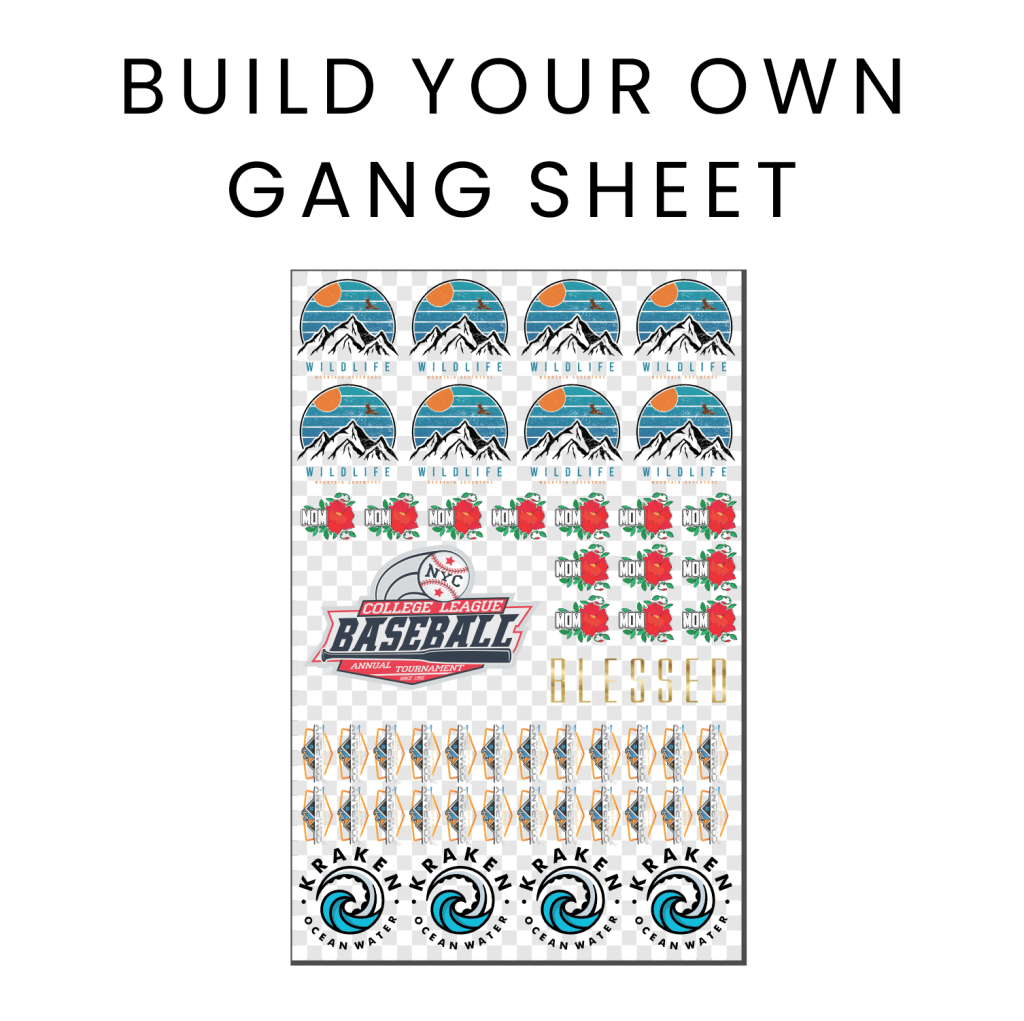
The DTF Gangsheet Builder is revolutionizing the way designers approach DTF (Direct to Film) printing by providing an efficient platform for creating stunning, eye-catching graphics. This innovative tool allows users to maximize print runs and minimize costs by enabling gang sheet printing, where multiple custom designs can be printed simultaneously on a single sheet. With the right DTF printing tips and techniques, anyone can leverage the DTF Gangsheet Builder to produce high-quality graphics that capture attention and stand out in a crowded market. Whether you’re a seasoned graphic designer or just starting out, mastering the art of gang sheets can transform your production process and elevate your creativity. In this guide, we delve into essential strategies and insights that will help you optimize your designs for the best possible results.
In the world of DTF printing, the ability to efficiently produce graphic layouts is paramount, and the concept of a gang sheet offers a practical solution for busy designers. This method provides a unique opportunity to combine multiple artistic creations into one sheet, ultimately leading to significant savings in both time and materials. By understanding the principles behind gang sheet layouts and incorporating key graphic design concepts, you can streamline your production process while maintaining high-quality outputs. Focusing on custom design quality and leveraging DTF printing techniques can give you the competitive edge necessary to thrive in today’s design landscape. Join us as we explore the vital elements of effective gang sheet creation that can help elevate your printing game.
Maximize Efficiency with DTF Gangsheet Builder
Using the DTF Gangsheet Builder effectively can drastically enhance your productivity during the printing process. By allowing multiple custom designs to be printed on one sheet, this tool not only saves time but also conserves resources. Graphic designers can align various prints in a way that ensures optimal spacing and arrangement, leading to fewer misprints and wasted materials. This efficiency is especially crucial for small businesses or independent creators aiming to scale up their production without compromising quality.
Moreover, the DTF Gangsheet Builder allows designers to experiment with layout options that highlight their unique graphic design skills. The flexibility of this tool means that users can quickly adjust design placements, sizes, and colors, allowing for creative freedom and innovation. The ability to create eye-catching graphics in an organized manner ensures that each printed piece maintains its integrity and visual appeal, which is essential in today’s competitive marketplace.
Frequently Asked Questions
What is the DTF Gangsheet Builder and how does it work?
The DTF Gangsheet Builder is a specialized tool designed for graphic designers to create multiple designs on a single sheet for DTF printing. This method, known as gang sheet printing, maximizes material use and reduces waste, making it an economical option for producing eye-catching graphics.
What are some essential DTF printing tips for using the Gangsheet Builder effectively?
When using the DTF Gangsheet Builder, key printing tips include arranging designs with proper spacing, maintaining color and size consistency, and using graphic design software for layout visualization. These practices ensure high-quality prints and enhance production efficiency.
How can I make my custom designs stand out using the DTF Gangsheet Builder?
To make your custom designs stand out with the DTF Gangsheet Builder, focus on creating a cohesive color palette, applying unique graphic elements, and ensuring adequate spacing and arrangement on your gang sheet for optimal visibility.
What graphic design tools are recommended for creating DTF gang sheets?
Recommended graphic design tools for creating DTF gang sheets include Adobe Illustrator and CorelDRAW. These software programs offer features tailored for print design, aiding in layout adjustments and color profile management.
Why is testing prints important when using the DTF Gangsheet Builder?
Testing prints is crucial when using the DTF Gangsheet Builder to identify potential issues such as color discrepancies, sizing errors, or spacing problems before a larger print run. This preemptive step can save time and resources.
How can I stay updated with trends in graphic design for my DTF gang sheets?
Stay updated with trends in graphic design by following industry blogs, attending webinars, and engaging with design communities online. This will help you incorporate fresh ideas into your DTF gang sheets and resonate with your target audience.
| Key Point | Description |
|---|---|
| Understanding Gang Sheets | Gang sheets allow multiple designs to be printed on a single sheet, maximizing material use and minimizing waste. |
| Design Arrangement | Proper spacing and margins prevent design overlap and ensure quality results. |
| Color and Size Consistency | Uniform color palettes and standardized dimensions enhance appeal and maximize space. |
| Utilizing Software Tools | Graphic design tools like Adobe Illustrator assist in visualizing layouts and managing designs. |
| Test Prints | Conducting test prints helps identify issues before full production. |
| Stay Updated with Trends | Awareness of design trends helps keep graphics relevant and appealing. |
| New Developments in DTF Services | Emerging initiatives aim to enhance user experiences in DTF printing. |
Summary
DTF Gangsheet Builder is essential for graphic designers looking to create eye-catching visuals efficiently. By leveraging the insights and tips outlined, such as proper design arrangement, maintaining color and size consistency, and utilizing advanced software, designers can optimize their DTF printing process. Moreover, keeping abreast of industry trends and testing designs before a full print run can furnish better results, making DTF gang sheets an effective method for producing high-quality graphics while keeping costs down. Embrace these practices to thrive in the competitive field of graphic design.