
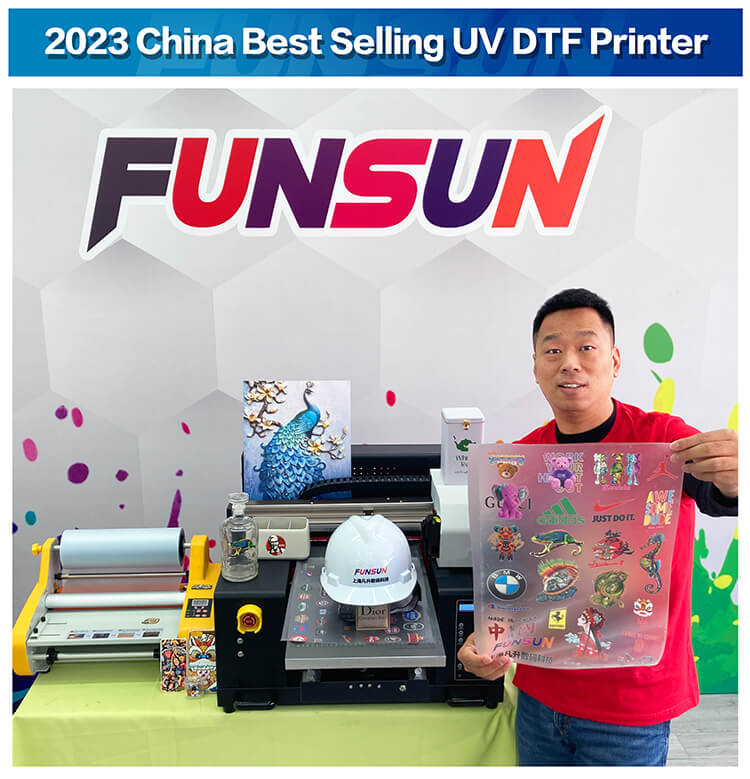
If you’re delving into the intricate world of modern print production, understanding UV DTF printing is crucial. This state-of-the-art technique marries the resilience of UV printing with the adaptability of Direct to Film (DTF) methods, offering a unique solution for a wide array of materials. In this beginner’s guide, we’ll unveil the mechanics behind UV DTF printing, explore its numerous applications, and explain the essential equipment needed to get started. With its ability to deliver vibrant and durable prints, UV DTF printing is becoming increasingly popular among artists and manufacturers alike. Whether you’re a hobbyist or a professional, this guide will equip you with the knowledge to harness this cutting-edge printing technology.
As you explore the exciting realm of UV Direct to Film printing, you will discover a hybrid technique that optimizes both durability and versatility within the printing industry. This printing methodology takes advantage of ultraviolet light to cure inks onto specially formulated transfer films, allowing for seamless designs on various substrates like textiles and metals. The process not only facilitates quick production times but also ensures that the printed graphics remain sharp and vivid over time. With alternative names like UV DTF transfer printing, this approach is essential for those looking to enhance their capabilities in print production. Join us as we delve deeper into what makes this innovative printing technology a game-changer.
The Evolution of UV DTF Printing Technology
UV DTF printing represents a significant advancement in printing technology, merging two powerful methodologies—UV printing and Direct to Film (DTF) transfers. This fusion caters to the demands of modern industries looking for efficiency and versatility in print production. The evolution of UV DTF printing can be traced back to the growing need for durable and vibrant prints across various substrates. Unlike traditional methods, UV DTF printing eliminates the drying time associated with water-based inks, allowing for instantaneous curing under ultraviolet light. This leap in technology has not only enhanced productivity but has also redefined creativity in design applications.
Over the years, as UV printing technology has evolved, so have the formulations of the inks used in DTF applications. Modern UV inks are engineered for superior adhesion and flexibility, making them suitable for both rigid and flexible materials. The continuous improvements in curing equipment have also enabled faster production speeds while maintaining the high-quality prints that end-users demand. As a result, UV DTF printing has become an integral component of various sectors, from fashion to industrial applications, enabling the creation of eye-catching products that require a long-lasting finish.
Key Advantages of UV DTF Printing Over Traditional Methods
One of the primary advantages of UV DTF printing is the vibrant color output that can be achieved. With the ability to print complex designs in stunning detail, UV DTF technology stands out from traditional printing methods that may struggle with color richness and clarity. UV curing instantly solidifies the ink, locking in colors that resist fading over time. This characteristic is especially beneficial for businesses looking to produce promotional items or products that are exposed to outdoor conditions, where the durability of prints is critical.
Furthermore, UV DTF printing is highly adaptable to various materials, which is a significant advantage over traditional printing techniques that may be limited by the type of substrates they can handle. This versatility allows businesses to explore endless creative possibilities, from textiles to hard surfaces like plastics and metals. As a result, companies can cater to a broader audience and create unique designs tailored to specific market needs, enhancing their competitive edge in the industry.
Essentials for Starting Your UV DTF Printing Journey
Getting started with UV DTF printing requires understanding the essential equipment that forms the backbone of this technology. A UV DTF printer specifically designed for the task is paramount, as it ensures compatibility with the right inks and transfer films. Additionally, investing in high-quality UV curable inks is crucial for achieving print durability and vibrancy. As with any printing technology, taking the time to research the best equipment for your budget and needs will set the foundation for successful print production.
Moreover, the choice of transfer film cannot be overlooked. Opting for films with specialized coatings enables better ink adherence, leading to superior quality transfers onto various surfaces. It’s advised to familiarize yourself with the characteristics of different films, as each has unique properties that affect the overall print quality. Lastly, having a reliable UV curing unit is essential to the process, ensuring that prints are thoroughly cured to withstand wear and tear. With the right tools in place, beginners can focus on honing their design skills and exploring their creative side.
Tips for Designing Prints Using UV DTF Technology
When it comes to creating designs for UV DTF printing, simplicity is key, especially for beginners. Starting with clean and straightforward designs can help reduce complications and allow you to master the basics of the printing process. As you gain more confidence and experience, you can gradually introduce more intricate designs. Leveraging graphic design software like Adobe Illustrator or CorelDRAW can significantly enhance your ability to create high-quality artwork tailored for UV DTF printing.
Another important tip is understanding the limitations and requirements of your chosen substrates. Not all materials behave the same under UV DTF printing, and experimenting with various options can help you discover which substrates yield the best results for your designs. Being mindful of color profiles and ensuring that your artwork is set to the appropriate resolution will also contribute to achieving vibrant prints. By focusing on these design elements, you will set yourself up for success in the UV DTF printing landscape.
Maintaining Your UV DTF Printing Equipment
Proper maintenance of your UV DTF printing equipment is essential for ensuring consistent quality and longevity. Regularly cleaning the printer and replacing worn parts, such as ink nozzles and pump filters, can significantly enhance the performance of your machine. Neglecting maintenance can lead to issues such as clogged nozzles, inconsistencies in ink flow, and ultimately, subpar print quality. Developing a routine maintenance schedule will save you time and money in the long run and ensure that your prints consistently meet your high standards.
Additionally, it’s crucial to follow the manufacturer’s guidelines for your specific printer model regarding cleaning protocols and maintenance intervals. This adherence not only helps prevent equipment failure but also ensures that the printer operates at optimal efficiency. Moreover, keeping the workspace around your printer clean and organized can help minimize dust and debris that can interfere with the printing process. By prioritizing maintenance, you’ll ensure your UV DTF printing workflow remains smooth and productive.
Exploring the Future of UV DTF Printing
The future of UV DTF printing looks promising as technological advancements continually reshape the landscape of the printing industry. With innovations like improved ink formulations and automated printing processes on the horizon, businesses can expect even greater efficiency and quality in their output. As manufacturers continue to refine UV DTF printers, the capabilities of these machines will expand, allowing for faster print speeds and enhanced color accuracy.
Moreover, as environmental considerations become more pressing in the printing sector, the development of eco-friendly inks and materials is likely to gain traction. This shift towards sustainability can cater to a growing market of businesses looking to reduce their environmental impact while maintaining high-quality print production. Embracing these trends will not only help businesses keep pace with industry standards but also position them as forward-thinking leaders in the world of UV DTF printing.
Frequently Asked Questions
What is the process of UV DTF printing and how does it work?
UV DTF printing combines UV printing technology with Direct to Film (DTF) transfers. In this process, UV curable inks are printed onto a specially coated transfer film. The printed designs are then cured using UV light, allowing for vibrant colors and fine details. Once cured, the design can be transferred to various substrates like textiles, plastics, and metals, providing excellent durability and resistance.
What are the advantages of using UV DTF printing technology?
UV DTF printing offers several benefits, including vibrant colors, fine details, and impressive durability. The UV curing process enhances ink adherence and resistance to fading or scratching. Additionally, its versatility allows for printing on a wide range of materials, making it suitable for diverse applications in fashion, branding, and arts. Furthermore, the quick curing process results in faster production times, appealing to businesses with tight deadlines.
What equipment do I need to get started with UV DTF printing?
To begin with UV DTF printing, you will need a specialized UV DTF printer that can handle the unique inks and transfer films. Additionally, high-quality UV curable inks and suitable transfer films are essential for achieving vibrant prints. A UV curing unit is also necessary to cure the inks effectively after printing, ensuring durability and longevity of your designs.
Can I print on any material using UV DTF printing?
Yes, UV DTF printing is highly versatile and can be used on an array of materials. This includes soft fabrics, rigid substrates like metal or glass, and even plastics. However, it’s important to experiment and understand the distinct properties of each material to achieve optimal adhesion and print quality.
How do I maintain my UV DTF printing equipment?
Regular maintenance of your UV DTF printing equipment is crucial for consistent quality. This includes cleaning the printer components to prevent ink clogs, calibrating the printer for accurate prints, and ensuring that the UV curing unit is functioning correctly. Following the manufacturer’s maintenance guidelines will help prolong the lifespan of your equipment and maintain high printing standards.
What common mistakes should beginners avoid in UV DTF printing?
Beginners in UV DTF printing should avoid neglecting equipment maintenance, as this can lead to issues such as clogged nozzles and poor print quality. It’s also important to ensure compatibility between inks, transfer films, and your printer model to prevent complications. Lastly, starting with overly complex designs can overwhelm new users; it’s advisable to begin with simple designs to build confidence and skill.
| Key Points | Details |
|---|---|
| What is UV DTF Printing? | Uses ultraviolet light to cure inks printed on transfer film, enabling vibrant designs on various materials including textiles and metals. |
| Benefits | 1. Vibrant colors and fine details. 2. High durability. 3. Versatile applications across surfaces. 4. Quick turnaround time. |
| Essential Equipment | 1. UV DTF Printer 2. UV curable inks 3. Transfer film 4. Curing equipment. |
| Getting Started | 1. Create your design. 2. Print on transfer film. 3. Cure the ink. 4. Transfer the image. 5. Finish and maintain your setup. |
| Tips for Beginners | 1. Start small with projects. 2. Use online resources for guidance. 3. Experiment with different materials. |
| Common Mistakes | 1. Neglecting maintenance. 2. Ignoring compatibility of materials. 3. Overworking designs. |
Summary
UV DTF printing is a groundbreaking technology that merges ultraviolet curing with direct-to-film techniques, providing a versatile solution for creating high-quality prints. This method stands out due to its vibrant color reproduction and durability, making it suitable for various applications, from fashion to branding. For those looking to enter the printing industry, understanding the essentials of UV DTF printing is crucial. By familiarizing oneself with the necessary equipment, benefits, and best practices, you can easily navigate your way to producing stunning prints. Embrace learning, avoid common pitfalls, and enjoy discovering the endless creative possibilities that UV DTF printing offers.