
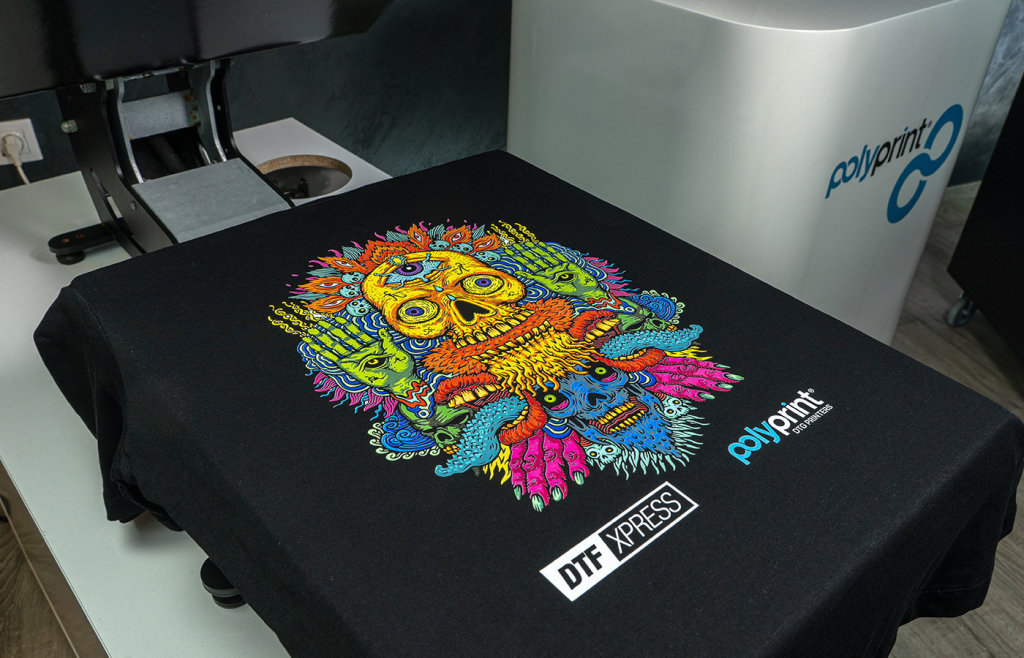
DTF printing, or Direct to Film printing, has emerged as a revolutionary technology that is reshaping the landscape of apparel decoration. Unlike traditional printing methods such as screen printing and direct to garment (DTG) printing, DTF printing offers a more versatile and efficient approach to creating vibrant and detailed designs on a variety of materials. This innovative printing technique utilizes high-quality films to transfer intricate designs, resulting in exceptional color reproduction that is sure to catch the eye. As businesses look for cost-effective printing solutions, DTF printing stands out by eliminating the need for multiple screens, significantly reducing setup time and waste. In this article, we’ll explore the strengths and challenges of DTF printing compared to traditional methods to help you make an informed decision for your printing needs.
Direct to Film printing, often abbreviated as DTF, represents a cutting-edge advancement in the realm of modern printing technology. This method allows for the transfer of high-resolution images onto fabrics, marking a departure from conventional techniques like screen printing and DTG. DTF’s ability to provide vibrant colors and intricate details makes it an attractive choice for designers seeking versatility in their work. As businesses strive for economical and efficient solutions, this form of cost-effective printing offers promising benefits, particularly for smaller production runs. In this discussion, we will delve into the nuances of DTF and its advantages over more traditional approaches.
Understanding DTF Printing and Its Benefits
Direct to Film (DTF) printing represents a significant advancement in printing technology, providing a cost-effective alternative to traditional printing methods. By eliminating the need for screens, DTF simplifies the printing process while maintaining high-quality output. This innovation not only reduces setup time but also minimizes ink waste, making it an economical choice for small orders. The result is a flexible printing solution that meets the diverse needs of designers and businesses alike.
Moreover, DTF printing’s versatility across different fabric surfaces, including cotton and polyester, enhances its appeal for custom apparel and promotional products. Unlike traditional screen printing, which may struggle with intricate designs due to the physical limitations of screens, DTF can effortlessly produce vivid colors and detailed images. This combination of efficiency and quality positions DTF as a promising option for those looking to stay ahead in a competitive market.
Comparing DTF Printing with Traditional Methods
When evaluating DTF printing against traditional methods such as screen printing and Direct to Garment (DTG) printing, it’s essential to consider the distinct characteristics of each technique. Screen printing excels in large volume production, where the cost per unit decreases with higher quantities. However, it requires extensive setup and multiple screens, which can hinder quick turnaround times. In contrast, DTF printing streamlines this process, allowing for faster production even on smaller runs, thus catering to the growing trend of on-demand printing.
DTG printing, while offering detailed outputs similar to DTF, is limited primarily to cotton fabrics and demands pretreatment for optimal results. Therefore, in environments where diverse material use is required, DTF offers a significant advantage due to its adaptability. The combination of color quality and material flexibility makes DTF an increasingly favored method among decorators who prioritize both versatility and aesthetic appeal.
The Growing Popularity of DTF Technology
Recent investments in DTF printing technology reflect its rising prominence within the apparel decoration industry. As businesses strive to meet consumer demands for unique and colorful designs, the accessibility of DTF solutions has expanded substantially. Leading manufacturers are developing advanced printers specifically tailored for DTF processes, allowing even small operations to harness this technology without incurring prohibitive costs.
Online platforms now offer streamlined access to DTF printing services, enabling resellers and entrepreneurs to tap into new markets efficiently. These web-to-print solutions not only simplify order handling but also provide an extensive range of design capabilities, making this technology appealing to small businesses looking to diversify offerings without hefty investments traditional methods require.
Considerations for Implementing DTF Printing in Your Business
As businesses contemplate the switch to DTF printing, several key factors warrant consideration. Understanding your target market, including the types of garments and designs they prefer, can streamline the decision-making process. DTF’s compatibility with a broad range of fabrics offers a distinctive advantage for businesses that target diverse customer needs, whereas traditional printing methods might restrict choices based on material suitability.
Additionally, businesses should reflect on their order volume expectations. DTF printing notably excels at managing small to medium runs, allowing for rapid adjustments in production without incurring excessive costs. Conversely, those consistently running large orders may still find traditional methods like screen printing more cost-effective when producing bulk items, despite their inherent limitations.
The Impact of Design Complexity on Printing Choices
Understanding the complexity of the designs being produced is crucial when selecting between DTF printing and traditional methods. DTF printing thrives in environments where intricate, multi-colored designs are commonplace. Its ability to reproduce vibrant colors and fine details can significantly enhance the visual quality of apparel, making it an attractive choice for creative projects.
Traditional screen printing, while effective for simpler designs, can struggle with precision and color stability in complex artwork. For businesses prioritizing detailed designs, embracing DTF technology can ensure that the final product meets customer expectations without compromising on quality. This also positions companies to stand out in the competitive market of personalized apparel.
Future Trends in DTF Printing and the Apparel Industry
As the printing industry evolves, DTF printing technology is poised to shape future trends in the apparel sector. The ability to produce high-quality prints quickly and economically aligns perfectly with the growing consumer demand for customized products. This drives innovation as businesses seek efficient ways to cater to unique customer preferences while minimizing overhead costs associated with traditional methods.
Looking ahead, advancements in DTF equipment and materials will likely enhance the capabilities of this printing technique, leading to even greater color fidelity and fabric compatibility. As more businesses adopt DTF technology, it will inevitably influence production standards across the industry, pushing for a shift away from conventional printing methods that no longer meet the dynamic demands of today’s consumers.
Frequently Asked Questions
What are the key benefits of DTF printing compared to traditional printing methods?
DTF printing offers numerous advantages over traditional methods like screen printing. It provides versatility across various materials, exceptional color quality for complex designs, and a cost-effective solution for small runs, reducing setup time and ink waste.
How does DTF printing work in contrast to Direct to Garment (DTG) printing?
DTF printing involves printing designs onto a special film which is then heat pressed onto garments, allowing for vibrant colors and details. In contrast, DTG printing directly applies ink to the fabric, primarily suited for 100% cotton and requiring pretreatment.
Is DTF printing a cost-effective option for small batch printing?
Yes, DTF printing is considered a cost-effective printing technology for small batch orders. It eliminates the need for screens, significantly reducing setup costs and making it financially feasible for businesses with low to medium order volumes.
What challenges do businesses face when transitioning to DTF printing from traditional methods?
Businesses might encounter challenges such as the initial investment costs for DTF printers and a learning curve associated with adopting this new printing technology. Mastering DTF techniques may require additional training compared to familiar traditional methods.
Can DTF printing achieve high-quality results for complex designs?
Absolutely! DTF printing excels in producing high-quality, vibrant prints, making it ideal for intricate designs with multiple colors. It often surpasses traditional printing methods in terms of color accuracy and detail, yielding stunning results.
What types of materials can DTF printing be used on compared to screen printing?
DTF printing is versatile and can be used on a wide range of materials, including cotton, polyester, and blends. This is a distinct advantage over traditional screen printing, which may have limitations depending on fabric types.
| Key Points | DTF Printing | Traditional Printing |
|---|---|---|
| Overview | Innovative method printing on film and heat transferring to garments. | Includes screen printing and DTG, traditional and widely used. |
| Advantages | Versatile on various materials, vibrant colors, cost-effective for small runs, and simplified production process. | Best for large orders, simple process for repetitive designs, and well-established in the industry. |
| Challenges | High initial equipment costs and a steeper learning curve for newcomers. | Time-consuming for multi-color designs and initial setup. |
| Recent Developments | Investment in better technology, user-friendly compact printers, and e-commerce platforms. | Continued reliance on traditional methods for bulk orders. |
| Key Considerations | Types of fabric, order volume, and design complexity favor DTF. | Best for larger volumes, simple and repetitive designs. |
Summary
DTF printing is a revolutionary technique that combines ease of use with high-quality output, making it an excellent choice for businesses looking to enhance their apparel decoration processes. As we explored, DTF printing offers many benefits, such as versatility across materials, vibrant color capabilities, and cost efficiency for smaller runs. In contrast, traditional printing methods like screen printing and DTG remain robust options for businesses focused on large orders. By evaluating your specific needs regarding product type, order volume, and design intricacy, you can make an informed choice that aligns with your business objectives and customer demands.